Fungicides are a class of chemical or natural substances specifically designed to prevent and control fungal diseases, widely used in agriculture, horticulture, forestry, and numerous other fields. As global agricultural production faces increasing threats from pests and diseases, fungicides serve as a vital tool for preventing and managing fungal pathogens. They play a crucial role not only in crop protection but also exert profound impacts on food safety and ecological conservation.
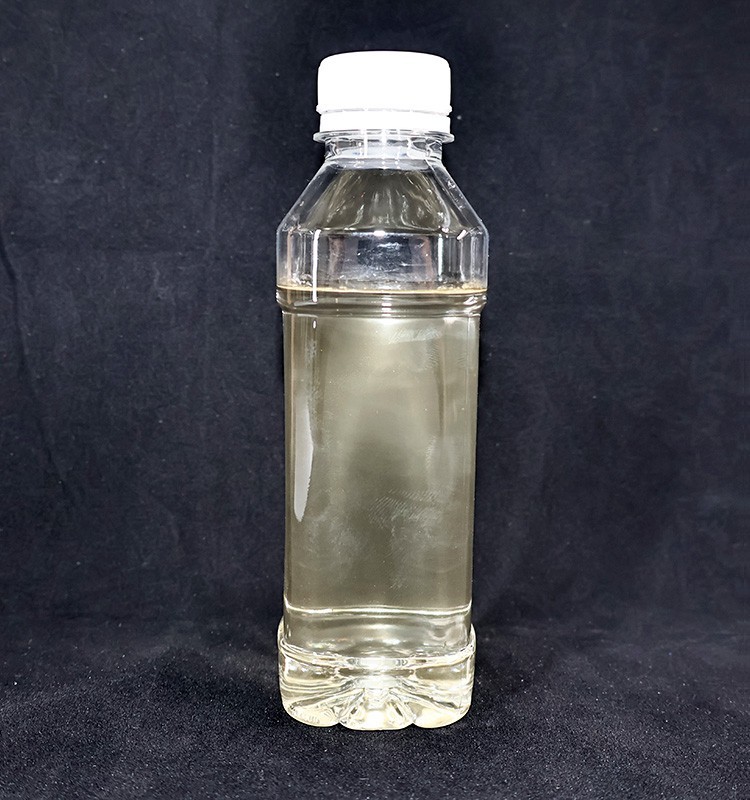
Fungicides, as the name implies, are substances capable of killing or inhibiting fungal growth. They function either through direct contact or by being absorbed into plants via their uptake mechanisms, helping crops resist fungal diseases. Based on their mode of action, chemical composition, and application scenarios, fungicides can be categorized as follows:
(1) Systemic Fungicides: Systemic fungicides are absorbed through plant roots, stems, or leaves, entering the plant system to exert effects throughout its tissues. These are suitable for controlling diseases that spread internally within plants.
(2) Contact Fungicides: Contact fungicides typically act on plant surfaces and can only prevent external fungal infections. They are poorly absorbed by plants and are usually applied during the early stages of disease to prevent pathogen invasion.
(3) Broad-spectrum and specific fungicides: Broad-spectrum fungicides effectively control multiple fungal diseases, while specific fungicides target a particular fungus or disease type with high selectivity.
(4) Natural vs. Chemical Fungicides: Natural fungicides are typically derived from plants or microorganisms, posing lower environmental risks and making them suitable for organic agriculture. Chemical fungicides are usually synthetic, offering broader disease control but potentially posing long-term environmental and human health concerns.
Fungicides act on fungi through multiple pathways to inhibit reproduction or kill cells. Specific mechanisms include:
(1) Inhibition of Cell Wall Synthesis: Certain fungicides disrupt fungal cell wall synthesis, preventing normal growth and reproduction. The cell wall is a critical structure maintaining fungal morphology and stability; its destruction directly causes fungal death.
(2) Cell membrane disruption: The cell membrane acts as a barrier for substance exchange between the cell interior and exterior. Certain fungicides can damage the integrity of the fungal cell membrane, causing its contents to leak and resulting in cell death.
(3) Interference with DNA synthesis: Some fungicides disrupt the DNA replication and transcription processes of fungi, preventing their reproduction and spread. Through this mechanism, fungicides can effectively control the spread of fungal diseases.
(4) Inhibition of fungal respiration: Certain fungicides affect the respiratory process of fungi, reducing their energy acquisition and preventing normal growth. The disruption of fungal metabolism leads to their death.
(5) Immune modulation: Some natural fungicides activate the plant's immune system, inducing natural resistance to fungi. These fungicides enhance the plant's self-defense capabilities while minimizing environmental impact.
(1) Agricultural Sector: Agriculture represents the most extensive application domain for fungicides. Fungal diseases are a primary cause of reduced crop yields and diminished quality. By employing fungicides, farmers can effectively control various fungal pathogens such as downy mildew, powdery mildew, rust, and leaf spot diseases.
- Crop Protection: Through preventive spraying and curative treatments on crops, fungicides effectively control and treat plant diseases, minimizing agricultural losses.
- Enhancing Yield and Quality: Fungicides protect crops from fungal infections, thereby increasing crop yields and quality, ensuring the market competitiveness of agricultural products.
(2) Horticulture and Floriculture: In horticulture and floriculture, fungicides are used to control fungal diseases affecting foliage, roots, and flowers. Many ornamental plants and flowers are highly susceptible to fungal diseases. Timely application of fungicides ensures healthy plant growth, extends flowering periods, and enhances ornamental value.
(3) Forestry Applications: Fungicides also play a vital role in forestry, particularly in combating forest diseases and protecting trees from pathogen infection. Common forest tree diseases include root rot and bark diseases. If left unchecked, these diseases threaten the health and stability of entire forests.
(4) Public Health and Environmental Management: Biocides are also extensively used in public health sectors such as water treatment and sanitation. During water treatment processes, biocides prevent water source contamination to ensure water quality safety. In environmental management of public spaces, biocides inhibit the spread of pathogenic microorganisms, reducing disease transmission risks.
(5) Home and Food Storage: In household and food storage settings, fungicides are applied to prevent mold, mildew, and fungal contamination—particularly in humid environments—to curb mold growth that could compromise home health and food quality.
(1) Enhancing Crop Yields: Fungicides effectively control fungal diseases, reducing damage to crops and thereby increasing yields. Especially in large-scale agricultural production, fungicides ensure healthy crop growth and stable agricultural supply.
(2) Improving Crop Quality: Fungicide use protects crops from fungal diseases, enhancing both their visual appearance and intrinsic quality. Whether for fruits, vegetables, or grain crops, effective disease management significantly increases product market value.
(3) Reduced Pesticide Usage: Proper fungicide application not only enhances control efficacy but also minimizes environmental impact. Compared to chemical pesticides, certain natural or low-toxicity fungicides effectively manage diseases while reducing effects on non-target organisms.
(4) Cost-Effectiveness: As a relatively low-cost crop protection measure, fungicide application helps reduce farmers' production costs while ensuring crop yield and quality. Compared to direct crop losses, fungicides offer a relatively high return on investment.
Despite their vital role in agricultural production, long-term fungicide use may pose environmental and ecological concerns. The misuse of chemical fungicides may lead to the following problems:
(1) Resistance Issues: Prolonged, single-type fungicide use can induce fungal resistance, diminishing efficacy. To address this, researchers recommend rotating different fungicide types and strategically combining chemical and biological fungicides.
(2) Impact on non-target organisms: While controlling target fungi, fungicides may also affect beneficial organisms around plants, such as beneficial insects and soil microorganisms. Therefore, special attention should be paid to their potential environmental and ecological impacts during application.
(3) Residue concerns: Residues of certain fungicides on crops may compromise food safety and pose health risks to consumers. Strict application guidelines and residue testing are crucial to ensure food safety.
(1) Eco-friendly Fungicides: With heightened environmental standards, developing low-toxicity, non-hazardous, residue-free fungicides from natural or biological sources will become a key research focus. Utilizing green raw materials like natural plant extracts and microbial fermentation products will further enhance fungicides' environmental safety and efficacy.
(2) Smart Management: With the advancement of precision agriculture technologies, fungicide application will become more targeted and efficient. Intelligent spraying systems can adjust fungicide dosage and frequency based on real-time monitoring data, maximizing efficacy while minimizing waste.
(3) Resistance Management: Addressing the growing challenge of resistance, future strategies will involve developing multifunctional, composite fungicides or employing genetic engineering techniques to enhance crop disease resistance, thereby reducing reliance on chemical fungicides.
(3) Resistance Management: Addressing the escalating challenge of resistance, future efforts will focus on developing multifunctional, composite fungicides or employing genetic engineering techniques to enhance crop disease resistance, thereby reducing reliance on chemical fungicides.
Fungicides play a critical role in modern agriculture and environmental management. Their advantages—high efficacy, broad spectrum, and low cost—make them indispensable tools for crop protection and public health. However, while benefiting from fungicides, we must also address their environmental impacts and adopt rational application practices to ensure sustainable agricultural production. With technological advancements, fungicides will continue evolving toward greener, smarter, and more sustainable solutions, contributing to global food security and ecological conservation.

 E-mail:jcl@jichanglong.com
 WhatsApp:+8618560709619
 Address:Block B, Polymer Materials Industry Innovation Park,No. 51, Lutai Avenue, High-tech Zone, Zibo City, Shandong Province
China vanadium inhibitors manufacturer Shandong Jichanglong Environmental Engineering Co., Ltd.
Jichanglong specializes in vanadium inhibitor , dehumidification and drying block, calcium hypochlorite disinfectant tablets, polyacrylamide and other products. With over 20 years of experience, we offer quality assurance and wholesale prices.