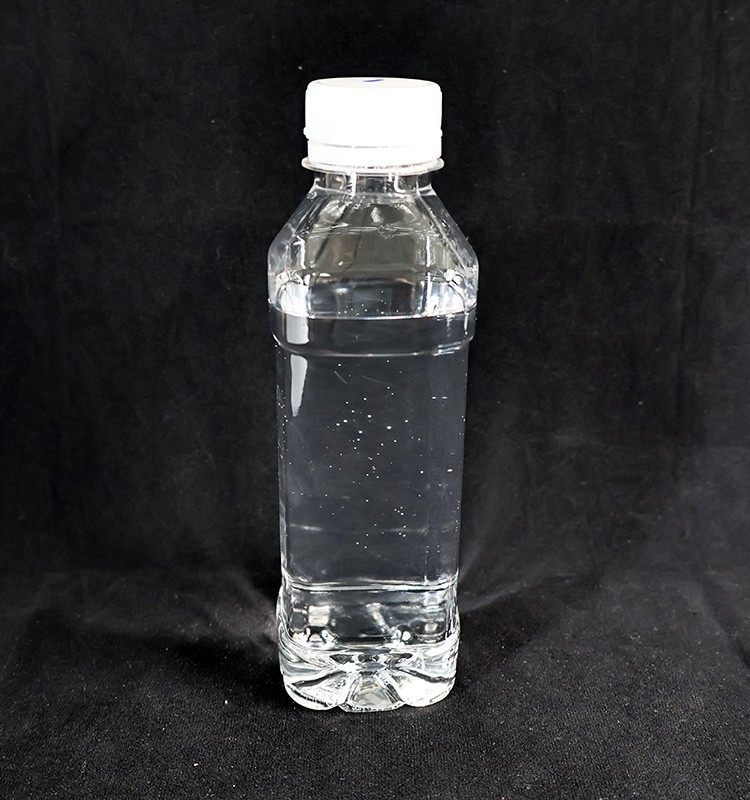


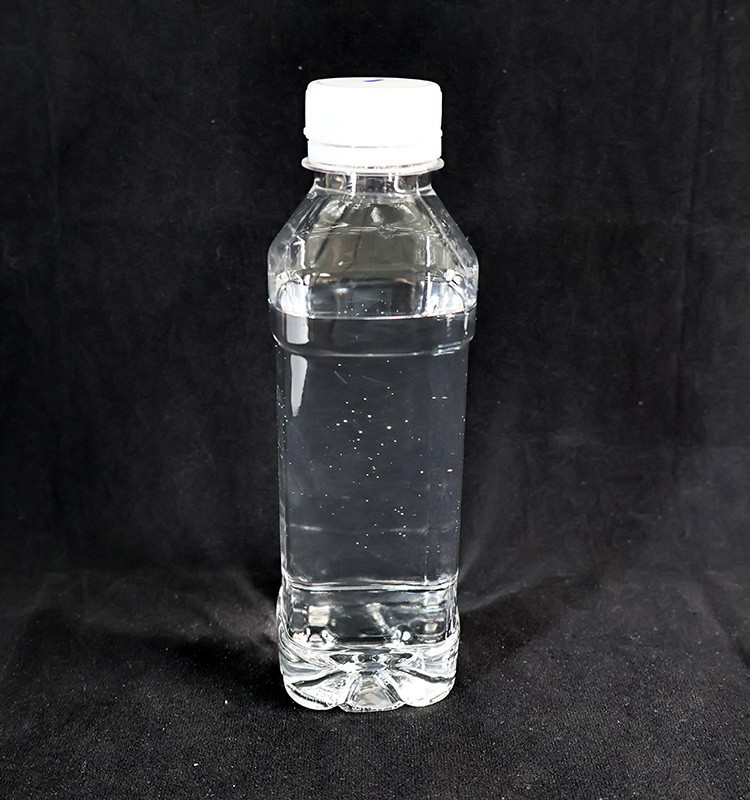
Biocide
Biocides are a type of chemical or biological agent specifically used to inhibit,prevent,or completely eliminate the growth of microorganisms(including bacteria,fungi,algae,etc.)in water.The growth of microorganisms is a common and harmful problem in industrial circulating water systems,oilfield reinjection water,papermaking processes,air washing devices,and various cooling towers.If not controlled,microorganisms will form adhesive biofilms,which not only significantly reduce heat exchange efficiency and increase energy consumption,but also cause corrosion of equipment pipelines,shorten equipment life,and even result in unplanned shutdowns.In addition,the presence of pathogenic bacteria such as Legionella poses a serious threat to public health.
1、Mechanism of action
The inhibitory effect of biocides on microorganisms is achieved through multiple biochemical pathways,and its mechanism is complex and precise.According to different modes of action,it can be mainly divided into the following categories:
Disrupting cellular structure:These biocides can directly act on the cell membrane or cell wall of microorganisms.For example,cationic surfactant biocides(such as quaternary ammonium salts)have positively charged hydrophilic groups that can electrostatically adsorb with negatively charged microbial cell membranes.Hydrophobic groups then insert into the membrane,changing its permeability and causing intracellular substances(such as potassium ions,nucleotides,etc.)to leak out,hindering respiration and ultimately leading to cell disintegration and death.Oxidative biocides(such as chlorine and chlorine dioxide)destroy the structure of cell walls and membranes through strong oxidation,and oxidize key enzyme systems within cells.
Interference with energy metabolism:Microbial life activities rely on normal energy metabolism(such as respiration and photosynthesis).Some biocides,such as isothiazolinones,can penetrate the cell membrane and interact with specific groups of enzymes or proteins,such as sulfur groups,disrupting their electron transport chains and inhibiting cell respiration,causing them to lose activity due to energy metabolism disorders.
Inhibition of biomacromolecule synthesis:This type of biocide works by interfering with the replication,transcription,or protein synthesis of nucleic acids(DNA,RNA)within microbial cells.For example,the aldehyde group of glutaraldehyde can undergo cross-linking reactions with amino groups in nucleic acid molecules,inhibiting DNA replication and thus preventing cell division.
2、Application Fields
Agricultural production:Biocides are an important means of preventing and controlling crop diseases in agricultural production.During the growth process,crops are susceptible to various pathogens such as fungi and bacteria,leading to reduced yields or even complete crop failure.For example,rice blast disease,wheat rust disease,fruit tree anthracnose disease,etc.are common crop diseases.The use of biocides can effectively control the occurrence and spread of these diseases,ensuring crop yield and quality.Farmers can choose appropriate biocides for prevention and control based on different crops and disease types.When preventing and treating rice blast disease,biocides such as tricyclic azole can be used;When preventing and controlling fruit tree anthracnose,biocides such as prochloraz can be used.
Healthcare:In the field of healthcare,biocides are used for disinfection and sterilization to prevent the spread of diseases.Hospitals,clinics,and other medical institutions need to use efficient disinfectants to disinfect surgical instruments,ward environments,and the hands of medical staff to reduce the risk of infection.Common medical and health disinfectants include chlorine containing disinfectants,peracetic acid,ethanol,etc.Chlorine containing disinfectants such as 84 disinfectant have broad-spectrum bactericidal effects and can effectively kill bacteria,viruses,and fungi.Peroxyacetic acid is a strong oxidant that has a rapid killing effect on various microorganisms and is commonly used for disinfecting air and surfaces of objects.Ethanol(alcohol)is commonly used for skin disinfection and wiping disinfection of small instruments.
Industrial field:In industrial production,biocides can prevent microbial contamination of equipment and products.For example,in the food processing industry,biocides are used to disinfect production equipment,pipelines,packaging materials,etc.,ensuring the safety and hygiene of food.In the cooling water system,biocides can prevent the growth and reproduction of microorganisms,avoid scaling and corrosion of the cooling water system,and improve the operational efficiency and service life of equipment.In industries such as papermaking and textiles,biocides can also prevent microbial damage to raw materials and products.
Daily life:Biocides can also be seen everywhere in daily life.The hand sanitizer,shower gel,laundry detergent and other cleaning products we use usually contain antibacterial ingredients to remove bacteria from our hands,body and clothing.Some home cleaning products,such as floor cleaners,kitchen cleaners,etc.,also contain disinfectants that can clean the home environment while killing bacteria and viruses,creating a healthy living space for us.
3、Key performance indicators
To evaluate the quality of a biocide product,a series of key performance indicators need to be examined.
Sterilization efficiency:This is the most core indicator,usually measured by the minimum inhibitory concentration(MIC)and sterilization rate(such as the percentage of sterilization at a specific concentration and contact time).Efficient biocides should be able to achieve a killing rate of over 99%on target microorganisms(including bacteria,fungi,and algae)at low concentrations.The killing effect on specific harmful bacterial species(such as sulfate reducing bacteria and Legionella)is particularly important.
Biodegradability and environmental toxicity:With increasingly strict environmental regulations,whether biocides can quickly degrade into harmless substances in the natural environment after completing their mission has become a crucial consideration factor.The acute toxicity,chronic toxicity,and impact on aquatic organisms of the product need to comply with relevant regulatory standards(such as REACH,EPA).Choosing environmentally friendly"green"biocides has become an industry trend.
Compatibility:Biocides must have good compatibility with other water treatment chemicals in the system,such as scale inhibitors and dispersants,and cannot antagonize or react with each other to fail.At the same time,it should not have significant corrosion or degradation effects on various metallic materials(carbon steel,copper,stainless steel,etc.)and non-metallic materials(rubber,plastic,coatings,etc.)within the system.
PH and temperature adaptability:Different biocides have their optimal pH and temperature ranges of action.For example,chlorine is present at pH>;At 8 o'clock,the efficiency significantly decreases,while chlorine dioxide and most non oxidizing biocides maintain stable activity within a wide pH range.For high-temperature systems,it is necessary to choose biocides with good thermal stability.
Biocides play an important role in our lives and production.With the continuous advancement of technology,the performance and application of biocides will continue to improve and expand,creating a healthier and safer living and production environment for us.

 E-mail:jcl@jichanglong.com
 WhatsApp:+8618560709619
 Address:Block B, Polymer Materials Industry Innovation Park,No. 51, Lutai Avenue, High-tech Zone, Zibo City, Shandong Province
China vanadium inhibitors manufacturer Shandong Jichanglong Environmental Engineering Co., Ltd.
Jichanglong specializes in vanadium inhibitor , dehumidification and drying block, calcium hypochlorite disinfectant tablets, polyacrylamide and other products. With over 20 years of experience, we offer quality assurance and wholesale prices.



