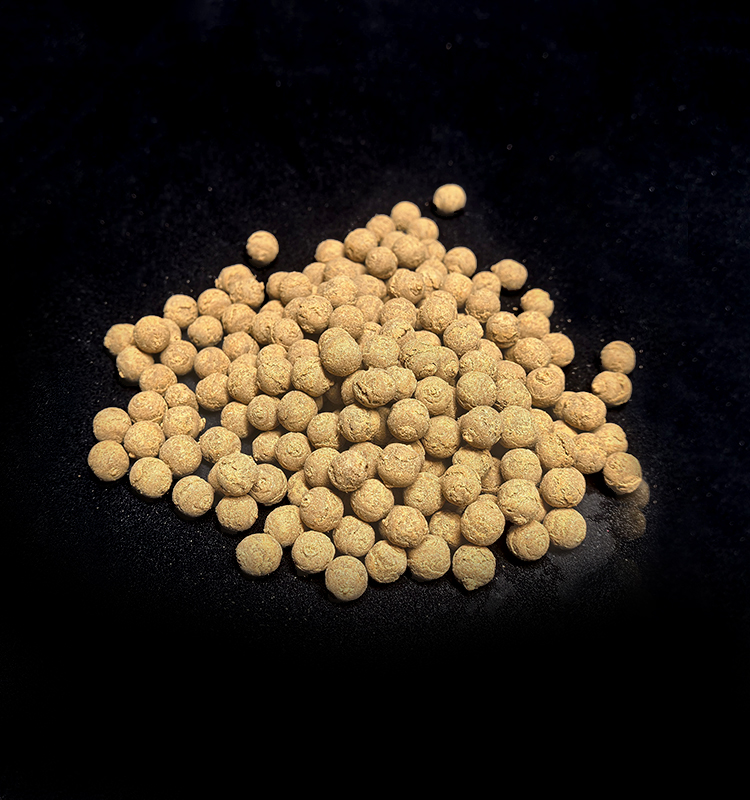


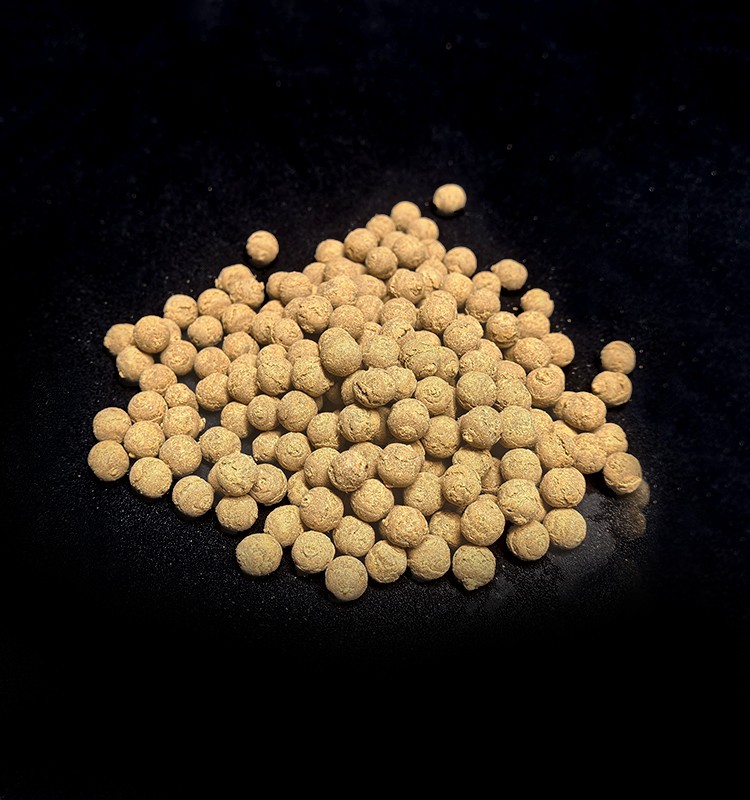
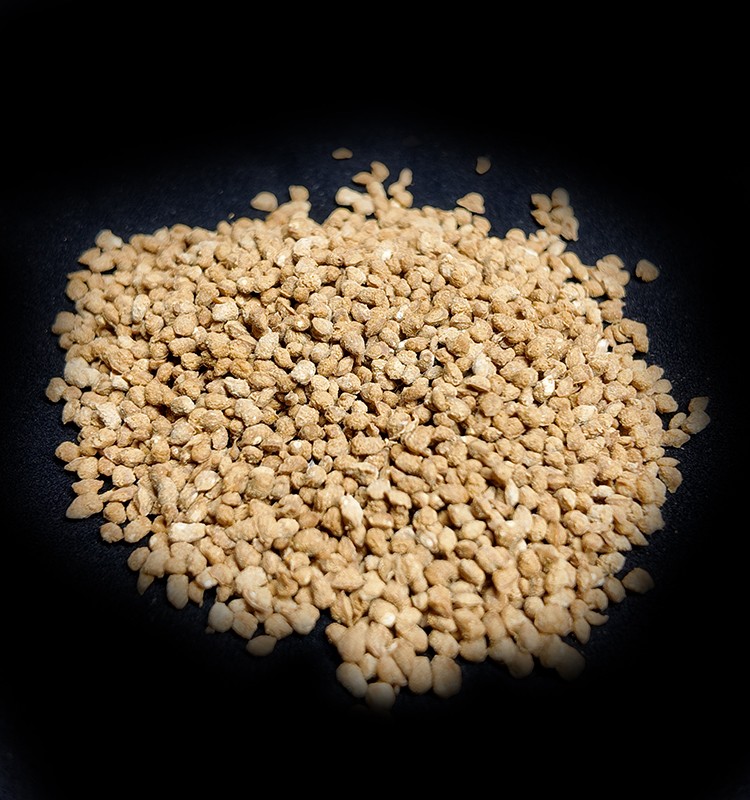
In the complex,often unseen networks of industrial water systems,from the cooling towers silhouetted against city skylines to the intricate plumbing of manufacturing plants,a silent battle rages.Microbiological growth and inorganic scale deposits pose persistent challenges,threatening efficiency,integrity,and operational continuity.Addressing these dual threats requires not just potency,but sophistication in delivery.This is where the concept of slow-release bactericidal and scale inhibitor technologies enters the frame,representing a shift towards more refined,sustained,and often more compatible methods of water treatment.
At its core,this technology revolves around controlled release mechanisms.Unlike conventional treatments that introduce biocides and antiscalants in a single,high-concentration dose—leading to sharp peaks and rapid troughs in efficacy—slow-release formulations are engineered for gradual activity.They are designed to deliver their active components over an extended period,maintaining a more consistent and effective concentration in the system water.This approach can be achieved through various physical and chemical means,such as encapsulation,integration into solid tablets or blocks with regulated dissolution rates,or the use of polymeric carriers that hydrolyze slowly.The fundamental principle is to provide a sustained,stable level of protection,mitigating the cyclical nature of microbial re-growth and scale formation that can follow traditional shock-dosing regimens.
Delving into Slow-Release Bactericides
Slow-release bactericides are formulated to combat a broad spectrum of problematic microorganisms,including bacteria,algae,and fungi.Their gradual release profile offers several potential advantages.By maintaining a more constant inhibitory concentration,they can help suppress the development of biofilms—those resilient,slimy communities of microbes that adhere to surfaces and are notoriously difficult to eradicate.Biofilms not only reduce heat transfer efficiency and increase fluid frictional resistance but also can foster conditions for under-deposit corrosion.A sustained antimicrobial presence can disrupt biofilm formation and maintenance more consistently than intermittent attacks.
Furthermore,this method of delivery may contribute to reducing the overall quantity of active biocide required over a treatment cycle,as it minimizes wasteful degradation and depletion between doses.It can also help in managing the development of microbial resistance,a significant concern in water treatment.By avoiding the intense selective pressure of a massive,fleeting dose followed by a long period of no pressure,a steady,low-level presence can sometimes be a more nuanced strategy for long-term microbial control.Common active ingredients in such formulations may include organic compounds like isothiazolinones,quaternary ammonium compounds,or bromine-release agents,each housed within a delivery system that moderates their release into the aqueous environment.
Understanding Slow-Release Scale Inhibitors
Scale,the hard,cement-like deposit of minerals like calcium carbonate,calcium sulfate,and silica,forms when process water becomes supersaturated with these salts.Scale layers act as insulating blankets on heat exchanger surfaces,drastically impeding energy efficiency,and can constrict flow in pipes,leading to increased pressure drops and potential blockages.Slow-release scale inhibitors work by gradually introducing threshold inhibitors,crystal modifiers,or dispersants into the water stream.
These agents function through mechanisms such as chelation(sequestering scale-forming ions),lattice distortion(preventing crystals from forming in a regular,adherent structure),or dispersion(keeping fine particles suspended).The slow-release format ensures a continuous,optimal dosage of these inhibitors is present to interfere with the scale formation kinetics.This continuous protection is particularly beneficial in systems with fluctuating water conditions,such as changes in temperature,pH,or concentration cycles,as it helps buffer against transient peaks in scaling potential.Common inhibitor chemistries include phosphonates,polyacrylates,and other polymeric materials,again,delivered via a controlled-release matrix.
Synergistic Applications and Key Industrial Domains
The true strength of these technologies is often realized when bactericidal and scale-inhibiting functions are combined,either in a single integrated product or through a coordinated treatment program.Scale deposits can provide sheltered niches for microbial growth,shielding biofilms from biocides.Conversely,biofilms can trap particulates and alter local chemistry,accelerating scale formation.A combined slow-release approach can simultaneously address both issues in a coordinated manner,breaking this cycle.The applications for such technologies are wide-ranging across industry.
In industrial cooling systems,both open recirculating and once-through types,these products help maintain clean heat transfer surfaces,optimize energy efficiency,extend equipment lifespan,and reduce the frequency of mechanical cleanings.They are particularly relevant for systems where consistent operator oversight for daily dosing is challenging.
The oil and gas industry,especially in upstream production and water injection systems,relies on such treatments to prevent scaling in downhole equipment,pipelines,and membranes,while also controlling sulfate-reducing bacteria(SRB)that cause microbiologically influenced corrosion(MIC),a critical safety and integrity concern.
For pulp and paper manufacturing,where water is integral to almost every process stage,slow-release treatments can aid in controlling microbial slime in whitewater systems and preventing scale in digesters,washers,and bleach plants,contributing to improved product quality and reduced downtime.
In commercial and institutional facilities with large cooling towers for HVAC systems,these technologies offer a simplified maintenance approach,providing continuous protection against Legionella and other pathogens,as well as scale,with less hands-on chemical handling.
Other sectors like textile manufacturing,chemical processing,and geothermal power generation also find value in these sustained-release solutions for their specific water treatment challenges,where stability and long-lasting effect are desirable attributes.
Considerations for Implementation
Adopting slow-release technologies requires a thoughtful evaluation.System parameters—including water chemistry(hardness,alkalinity,pH),temperature,flow dynamics,and the existing microbial and scaling challenges—must be carefully assessed to select an appropriate product and release profile.Compatibility with system materials and any other treatment chemicals in use is essential.Furthermore,while offering operational simplicity,these products are part of a comprehensive water management program that should include regular monitoring of key water quality parameters and system inspections to verify performance.Their integration often aligns with goals for improved operational consistency,potential reduction in lifecycle chemical usage,and enhanced environmental stewardship through more precise dosing.
In an industrial landscape where reliability and efficiency are paramount,moving from reactive,peak-and-trough treatment methods to a philosophy of sustained,consistent protection represents a logical evolution in water treatment strategy.Slow-release bactericidal and scale inhibitor technologies offer a pathway to this steadier state of control,acting as quiet guardians within complex water systems.Their value lies in their ability to provide continuous,measured intervention against the persistent threats of fouling and corrosion.
If the challenges of microbial control and scale deposition in your operations call for a more consistent,sustained management approach,exploring the potential of slow-release technologies could be a pertinent step.We welcome the opportunity to discuss your specific system requirements and operational objectives in greater detail,to determine how such solutions might integrate into your water management practices.Please feel free to reach out for a more tailored conversation.

 E-mail:jcl@jichanglong.com
 WhatsApp:+8618560709619
 Address:Block B, Polymer Materials Industry Innovation Park,No. 51, Lutai Avenue, High-tech Zone, Zibo City, Shandong Province
China vanadium inhibitors manufacturer Shandong Jichanglong Environmental Engineering Co., Ltd.
Jichanglong specializes in vanadium inhibitor , dehumidification and drying block, calcium hypochlorite disinfectant tablets, polyacrylamide and other products. With over 20 years of experience, we offer quality assurance and wholesale prices.



