As humidity increasingly impacts our environment, particularly in damp regions or seasons, moisture control has become a significant challenge for many individuals and households. To effectively reduce airborne moisture and prevent issues caused by dampness, moisture absorbers have emerged. But do moisture absorbers truly work? This article will delve into how moisture absorbers function, their applications, common types, and usage precautions, helping readers better understand their role and effectiveness.
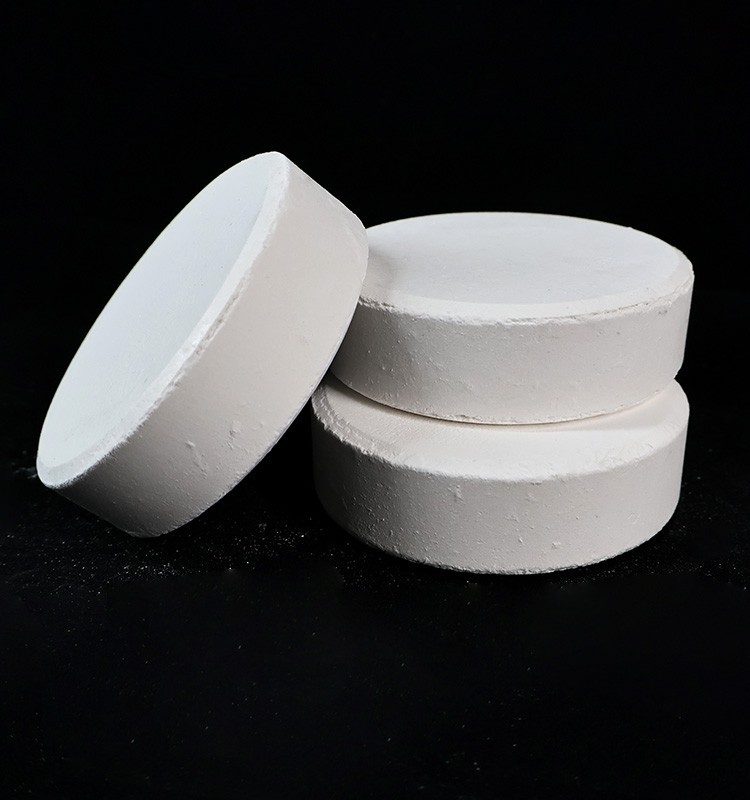
Moisture absorbers are chemical substances or products designed to absorb excess moisture from the air. They are commonly used to reduce air humidity, prevent the growth of dampness, mold, and musty odors, and provide a comfortable environment in homes, offices, vehicles, warehouses, and other spaces. The principle behind moisture absorbers typically relies on the properties of hygroscopic materials. These materials can absorb moisture from the air and store it or convert it into other forms, thereby lowering air humidity.
Moisture absorbers primarily function through the adsorption or chemical reaction processes of hygroscopic materials. Common moisture absorbers typically contain the following main moisture-absorbing components:
(1) Calcium Chloride: A widely used moisture absorber, calcium chloride reacts with moisture in the air, converting it into liquid form and storing it internally. Calcium chloride moisture absorbers can absorb large amounts of moisture in a short time, making them particularly effective in high-humidity environments.
(2) Silica Gel: Silica gel is a moisture-absorbing solid, typically in granular form, that adsorbs moisture from the air. It possesses strong hygroscopic properties, trapping moisture within its microscopic pores. This makes it widely used in electronics, clothing, footwear, and other items requiring moisture protection.
(3) Activated Carbon: In addition to adsorbing harmful gases, activated carbon can also absorb moisture. Its porous structure allows water vapor to be effectively adsorbed and stored. Activated carbon is commonly used in small-scale moisture absorber products, particularly those designed for localized moisture control needs like moisture-proof cabinets or shoe cabinets.
(4) Molecular Sieves: Molecular sieves are highly efficient moisture-absorbing materials that adsorb airborne moisture and rapidly reduce humidity. Their moisture-absorption capacity far exceeds that of ordinary silica gel and calcium chloride. They are commonly used in scenarios requiring high-efficiency dehumidification, such as storage equipment, precision instruments, and packaging.
The market offers a wide variety of moisture absorbers, typically classified based on their operating principles and application scenarios. Below are several common types:
- Calcium Chloride moisture absorbers: Typically packaged in bags, boxes, or blocks, calcium chloride moisture absorbers are widely used in homes, offices, and storage rooms. Their primary advantages include rapid moisture absorption and noticeable effectiveness, making them particularly suitable for humid environments.
- Silica Gel moisture absorbers: Silica gel moisture absorbers are commonly found in granular or small pouch forms. They are frequently used in food packaging, electronic product packaging, and moisture-proof packaging for clothing and shoes. Not only do they effectively absorb moisture, but they can also be reactivated through heating for repeated use.
Electronic moisture absorbers are devices that absorb moisture using electronic components. Common types include moisture absorbers and dryers, which extract moisture from the air through condensation, heating, or drying airflow. These devices typically cover larger areas and are suitable for homes, offices, warehouses, and similar settings.
These products combine air purification with dehumidification functions, commonly used in homes or offices. They simultaneously adsorb moisture and pollutants from the air, providing a fresher, drier environment. Typically employing activated carbon, negative ions, and other technologies, they address both humidity control and air purification.
The effectiveness of moisture absorbers largely depends on factors such as the usage environment, humidity levels, moisture absorber type, and application methods. Below are several key points regarding moisture absorber usage in practice:
Moisture absorbers effectively absorb moisture from the air and reduce humidity, with particularly noticeable results in highly humid environments. Materials like calcium chloride and silica gel rapidly absorb moisture, achieving superior dehumidification.
High humidity creates an ideal breeding ground for mold. Effective use of moisture absorbers significantly lowers air moisture content, thereby suppressing mold growth and musty odors. This is especially crucial in enclosed, damp spaces like wardrobes, shoe cabinets, and food storage areas, where moisture absorbers effectively prevent mold growth.
Items exposed to prolonged high humidity are prone to corrosion, rust, or mold. moisture absorbers protect electronics, furniture, clothing, and more, extending their service life. Silica gel moisture absorbers are particularly suitable for moisture-proof packaging of electronic devices.
High-humidity environments often foster allergens like dust mites and mold, which adversely affect human health. By absorbing moisture, moisture absorbers reduce allergen levels, effectively improving allergy symptoms.
Moisture absorbers find extensive use across residential, industrial, and commercial settings. Below are several typical application scenarios:
Kitchens, bathrooms, basements, and closets in homes frequently encounter moisture issues, especially during rainy seasons or in humid regions. moisture absorbers effectively prevent wall mold, damp clothing, and furniture damage.
Industrial warehouses and storage facilities require low-humidity environments to protect raw materials, products, and equipment from moisture damage. moisture absorbers are particularly crucial for electronics, precision instruments, chemicals, and similar products.
Closed vehicles and other transport vehicles are prone to window fogging or interior dampness in humid conditions. Specialized desiccant packets effectively absorb moisture, keeping interiors dry and preventing musty odors and damp buildup.
Humidity control during food storage and transportation is vital for maintaining quality. For dry goods, candies, cookies, and similar items, desiccants prevent moisture absorption and mold growth, extending shelf life.
In hospitals, clinics, and similar settings, excessive humidity can foster bacterial and fungal growth, compromising air quality and potentially endangering patient health. moisture absorbers effectively reduce airborne moisture, maintain indoor dryness, and provide a healthier environment.
As an efficient humidity control tool, moisture absorbers play vital roles across diverse applications. Whether for moisture prevention in household settings or humidity regulation in industrial warehouses, moisture absorbers effectively enhance environmental quality, extend the lifespan of items, and improve human health. While various types of moisture absorbers exist on the market, consumers can select suitable products based on specific needs. By using moisture absorbers scientifically to maximize their benefits, moisture issues can be effectively resolved. As demands for quality of life continue to rise, the application of moisture absorbers will expand further, providing superior humidity control solutions across diverse industries.

 E-mail:jcl@jichanglong.com
 WhatsApp:+8618560709619
 Address:Block B, Polymer Materials Industry Innovation Park,No. 51, Lutai Avenue, High-tech Zone, Zibo City, Shandong Province
China vanadium inhibitors manufacturer Shandong Jichanglong Environmental Engineering Co., Ltd.
Jichanglong specializes in vanadium inhibitor , dehumidification and drying block, calcium hypochlorite disinfectant tablets, polyacrylamide and other products. With over 20 years of experience, we offer quality assurance and wholesale prices.