

During the humid rainy season,clothes take a long time to dry;in precision electronics workshops,excessive humidity can cause short circuits in components;in precious artifact storage rooms,high humidity accelerates the deterioration of collections.In these scenarios,Moisture Absorber,as"invisible guardians"of humidity control,are quietly playing a crucial role.They adsorb moisture from the air through physical or chemical means,controlling environmental humidity within a safe range,and are widely used in homes,industries,warehouses,and medical settings.
The core function of Moisture Absorber is to adsorb moisture,but different types of products differ significantly in their composition,moisture absorption mechanism,and application scenarios.
1.Calcium Chloride Moisture Absorber
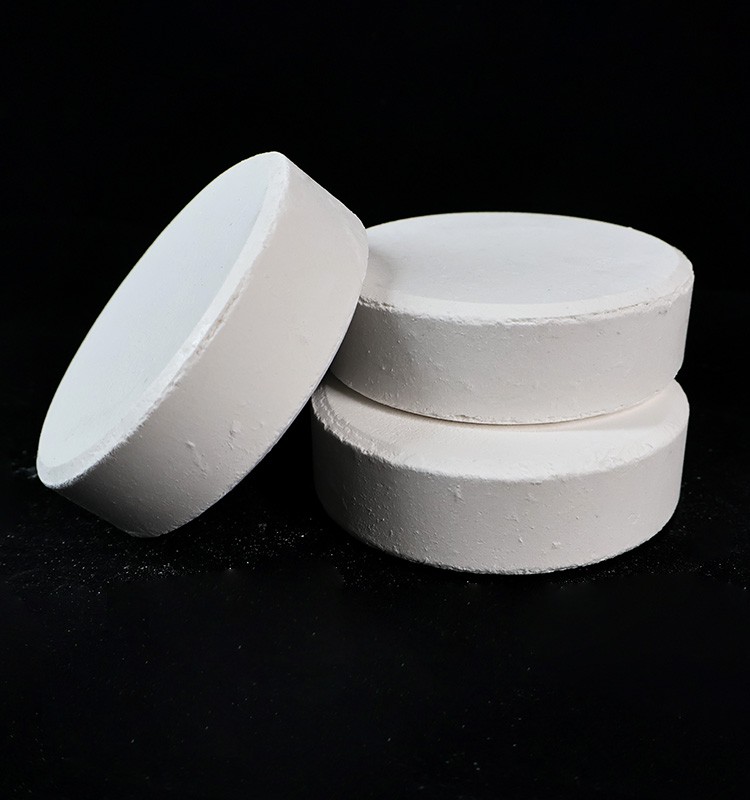
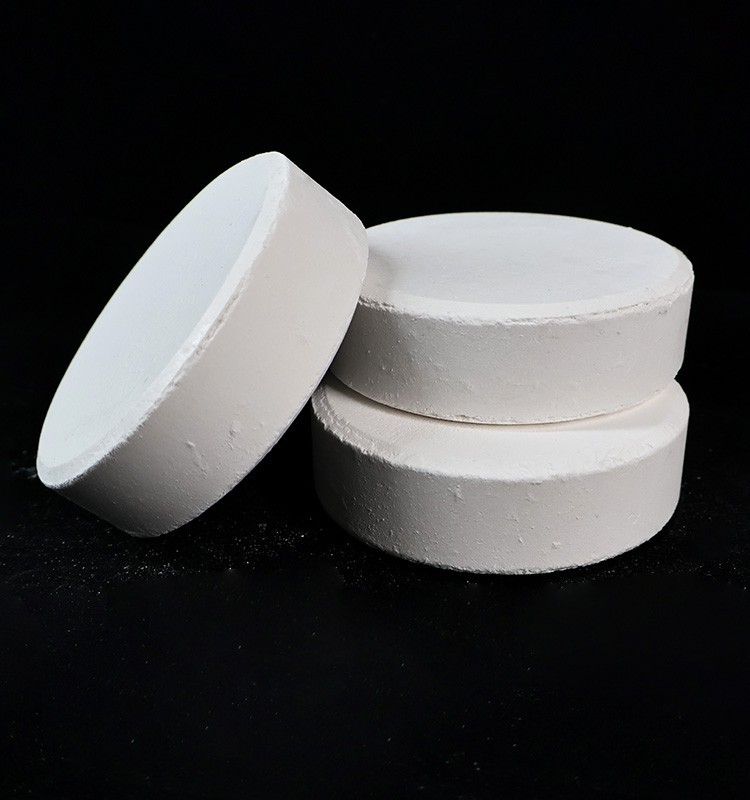
Calcium chloride(CaCl₂)is a common inorganic salt Moisture Absorber.Its moisture absorption principle is based on the"dissolution endothermic effect."When calcium chloride particles come into contact with moisture in the air,they dissolve to form a calcium chloride solution,releasing heat in the process.This process can continuously absorb a large amount of moisture,up to 200%-300%of its own weight.For example,500 grams of calcium chloride Moisture Absorber blocks can protect a 2-square-meter space in a family wardrobe during the rainy season,with an effective period of 1-3 months.**Suitable Scenarios:**High humidity environments(RH>60%),such as basements,coastal warehouses,and homes during the rainy season.It absorbs moisture quickly and is low in cost,but may form liquid water after absorption,requiring leak-proof packaging(such as double-layer PE film).
**2.Silica Gel Desiccant:**Silica gel is a highly active adsorbent material,mainly composed of silicon dioxide(SiO₂).Its moisture absorption principle is based on physical adsorption:the surface of silica gel is covered with micropores,adsorbing water molecules through van der Waals forces.Silica gel absorbs 30%-50%of moisture,but can be regenerated by heating(120℃)and reused,making it cost-effective.
**Suitable Scenarios:**Medium humidity environments(RH 30%-60%),such as ordinary offices and pharmaceutical storage.Its moisture absorption process involves no chemical reaction,ensuring high safety,and it can be customized into different shapes(such as granules or spheres)to meet packaging requirements.3.Molecular Sieve Moisture Absorber
Molecular sieves are synthetic zeolites with uniformly distributed micropores(0.3-1 nanometers in diameter)in their crystal structure.These micropores selectively adsorb water molecules,removing gases such as CO₂and N₂,ensuring stable environmental humidity.Molecular sieves have a moisture absorption capacity of 15%-25%and high adsorption selectivity,but are relatively expensive.
Suitable Scenarios:Low humidity environments(RH<30%),such as electronics manufacturing workshops and precision instrument laboratories.They can create localized low humidity environments(RH<10%),meeting the needs of high-precision production.
4.Mineral-Based Moisture Absorber
Mineral-based Moisture Absorber use natural minerals(such as montmorillonite and bentonite)as raw materials,absorbing moisture through physical adsorption and ion exchange.Their moisture absorption capacity is 10%-20%,they are natural and non-toxic,and meet food-grade standards.
Suitable Scenarios:Food packaging scenarios(such as rice and dry goods storage),and air quality sensitive scenarios(such as museums and archives).It can simultaneously control humidity and VOCs concentration,forming a closed loop of"dehumidification-purification".
Moisture Absorber have a wide range of applications,covering multiple fields such as homes,industry,warehousing,and medical care.Their selection requires precise matching based on environmental humidity,temperature,and specific needs.
1.Home Scenarios
Wardrobe Dehumidification:Hang calcium chloride Moisture Absorbe on the top of the wardrobe,avoiding direct contact with clothing to prevent fiber brittleness.
Bathroom Mold Prevention:Place silica gel Moisture Absorbe bags in corners or under exhaust fans,utilizing airflow to accelerate moisture absorption;RH can be reduced to below 50%.
Automotive Interior Protection:Hang small calcium chloride Moisture Absorbe bags behind the front seats to prevent mold growth in the interior during the rainy season.
2.Industrial Scenarios
Electronics Manufacturing Workshops:Place molecular sieve blocks next to SMT placement machines,1-2 meters away from the equipment,to create a localized low-humidity environment(RH<10%),preventing component short circuits.
Pharmaceutical Storage:Place silica gel+activated carbon composite blocks on the top shelf to simultaneously control humidity and VOCs concentration,meeting GMP standards.Metalworking Workshop:Placing calcium chloride blocks next to precision machine tools prevents cutting fluid deterioration and equipment corrosion,extending tool life by 30%.
3.Warehousing and Logistics Scenarios
Food Warehouse:Hanging mineral-based dehumidifying blocks on top of grain stacks at 2-3 meter intervals extends storage time to 6 months.
Cold Chain Transportation:Placing silica gel dehumidifying blocks inside refrigerated truck doors prevents condensation from damaging packaging,reducing cargo loss by 15%.
Cross-border E-commerce Packaging:Embedding small dehumidifying sheets(e.g.,5g/sheet)inside export packaging boxes ensures goods remain dry during sea transport.
To ensure maximum Moisture Absorbe performance and extend its lifespan,proper use is essential,considering four key aspects:selection and compatibility,placement,replacement cycle,and safety precautions.
1.Selection and Compatibility
Choose the type based on ambient humidity:calcium chloride type is preferred for high humidity environments,silica gel type for medium humidity environments,and molecular sieve type for low humidity environments.Temperature conditions must also be considered:leak-proof packaging is required for high-temperature environments(>40℃),and heating equipment is necessary for low-temperature environments(<5℃).
2.Placement
In home settings,Moisture Absorbe should be hung on top of wardrobes or placed in corners,avoiding direct sunlight.In industrial settings,they should be placed near equipment but at a safe distance(e.g.,1-2 meters between electronic equipment and equipment).In warehousing settings,they should be evenly distributed(e.g.,5 kg of bentonite blocks per 100 square meters in a food warehouse).
3.Replacement Cycle
Calcium chloride type Moisture Absorbe blocks should be replaced every 1-2 months in high humidity environments.Silica gel type Moisture Absorbe should be regenerated by heating(120℃)after moisture absorption saturation.Molecular sieve type Moisture Absorbe should be replaced every 6-12 months.Replacement is necessary when monitoring humidity using a humidity sensor or packaging status.
4.Safety Precautions
Keep Moisture Absorbe out of reach of children and pets to prevent accidental ingestion;choose non-toxic,odorless materials(such as silicone or mineral-based);avoid use in high-temperature or open-flame environments to prevent packaging materials from igniting.
Despite their small size,dehumidifiers offer numerous significant advantages,playing an irreplaceable role in various scenarios.
Firstly,they are highly efficient at dehumidifying.Different types of dehumidifiers can precisely adapt to different humidity environments.For example,calcium chloride dehumidifiers can absorb 200%-300%of their own weight in high humidity environments,rapidly reducing humidity and solving dampness problems.
Secondly,they are cost-effective.Silica gel dehumidifiers,once saturated,can be regenerated by heating to 120℃for 2-4 hours,allowing for 3-5 reuses,significantly reducing operating costs.This is especially suitable for scenarios requiring continuous humidity control with limited budgets.
Thirdly,they are safe and environmentally friendly.Mineral-based dehumidifiers use natural minerals as raw materials,are naturally non-toxic,meet food-grade standards,and can be used in food packaging scenarios to ensure food safety.Furthermore,some dehumidifiers can adsorb VOCs and other pollutants,forming a"dehumidification-purification"closed loop to improve air quality.
Fourthly,they are easy to use.Dehumidifiers require no complicated installation and can be placed anywhere in the home,such as in wardrobes or bathrooms.They can also be flexibly arranged in industrial and warehousing settings to easily control humidity and provide convenience for living and production.
Moisture Absorbe,acting as"invisible guardians"of humidity control,provide reliable humidity control solutions for homes,industries,and warehouses through precise matching of environmental needs,optimized layout,dynamic monitoring,and standardized maintenance.From home wardrobes during the rainy season to sophisticated electronics workshops,from food storage to cold chain transportation,Moisture Absorbe are silently protecting our living and production environments.

 E-mail:jcl@jichanglong.com
 WhatsApp:+8618560709619
 Address:Block B, Polymer Materials Industry Innovation Park,No. 51, Lutai Avenue, High-tech Zone, Zibo City, Shandong Province
China vanadium inhibitors manufacturer Shandong Jichanglong Environmental Engineering Co., Ltd.
Jichanglong specializes in vanadium inhibitor , dehumidification and drying block, calcium hypochlorite disinfectant tablets, polyacrylamide and other products. With over 20 years of experience, we offer quality assurance and wholesale prices.



