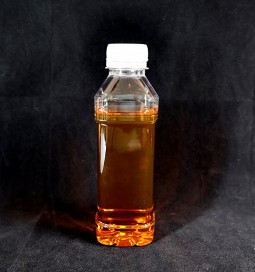
With the continuous development of modern industry, water treatment, chemical production, environmental protection engineering, and metal processing, neutralizing agents have become indispensable chemicals in production processes. They play a critical role in wastewater treatment, pH adjustment, boiler water treatment, and metal surface treatment, as well as in the food, pharmaceutical, and laboratory sectors. Particularly in an era of increasingly strict industrial environmental regulations, the proper use of neutralizing agents not only improves the production environment but also enhances equipment operational efficiency, reduces corrosion risks, and helps enterprises meet discharge standards. So, what are the most common neutralizing agents? What are the characteristics and uses of the different types? This article provides a comprehensive analysis covering the basic concepts, working principles, common types, application areas, and future development trends of neutralizing agents.
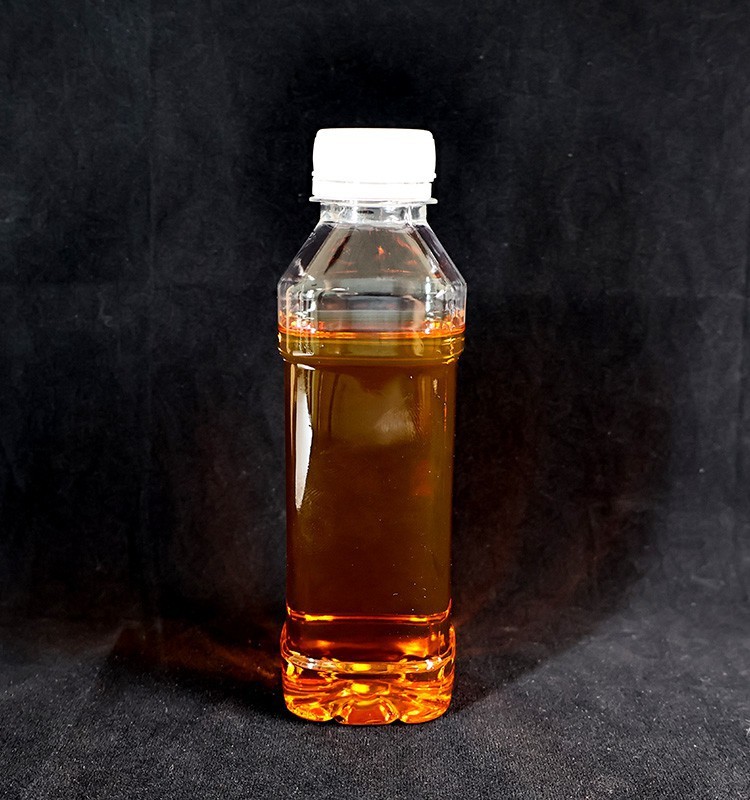
A neutralizing agent is a chemical substance capable of undergoing a neutralization reaction with acidic or alkaline substances, thereby altering their pH level. Its primary functions include adjusting pH, eliminating hazards associated with acidity or alkalinity, improving water quality, protecting equipment, and enhancing production safety; the neutralization reaction is essentially an acid-base reaction.
In industrial production, neutralizing agents are widely used in fields such as wastewater treatment, circulating water systems, chemical production, electroplating, metal processing, pharmaceuticals, and the food industry.
Acid-base imbalances can cause numerous problems in production.
Acidic media accelerate metal corrosion. Materials such as carbon steel, cast iron, and copper are particularly prone to damage when exposed to acidic environments for extended periods.
Many production processes require a stable pH environment. Excessive fluctuations in pH can lead to reduced product quality, lower reaction efficiency, and increased waste of raw materials.
National environmental regulations impose strict requirements on industrial wastewater discharge. Wastewater that has not undergone neutralization cannot be discharged directly and may cause environmental pollution; therefore, treatment with neutralizing agents is mandatory.
Based on global industrial applications, the most common neutralizing agents include the following:
Sodium hydroxide is one of the most frequently used neutralizing agents in the industrial sector. Characteristics: Strong alkalinity, rapid reaction rate, high neutralization efficiency, and ease of use.
Main uses: Acidic wastewater treatment, chemical production, electroplating, and papermaking.
Advantages: Quick results, low dosage requirements, and easy control.
Disadvantages: Highly corrosive; requires safety precautions during handling.
Calcium hydroxide, also known as slaked lime, is one of the most economical industrial neutralizing agents. Characteristics: Low cost, abundant availability, and strong neutralization capacity.
Main applications: Wastewater treatment plants, power plant desulfurization, metallurgy, and mine wastewater treatment.
Advantages: Low cost; highly economical for large-scale use.
Disadvantages: Prone to forming precipitates and causing equipment scaling.
Calcium oxide is another common neutralizing agent in industrial wastewater treatment. It reacts with water to form calcium hydroxide: CaO + H₂O → Ca(OH)₂. Characteristics: Strong neutralization capacity and low price.
Suitable for: Large-scale wastewater treatment and the metallurgical industry.
Sodium carbonate is a weakly alkaline neutralizing agent. Characteristics: Safe to use and relatively low corrosivity.
Main uses: Glass industry, food industry, and light industry. Compared to caustic soda (sodium hydroxide), the reaction is milder.
Sodium bicarbonate is a mild neutralizing agent.
Characteristics: High safety, non-toxic, and easy to handle.
Application areas: Food processing, pharmaceutical industry, and laboratories.
Particularly suitable for scenarios requiring precise pH control.
In addition to alkaline neutralizing agents, industrial processes sometimes require the neutralization of alkaline waste liquids. In such cases, acidic neutralizing agents are used.
(1) Sulfuric acid: Characteristics include low cost and abundant availability; widely used in alkaline wastewater treatment and the chemical industry.
(2) Hydrochloric acid: Characteristics include rapid reaction rate and high neutralization efficiency; suitable for metal processing and chemical production.
(3) Carbon dioxide: Advantages include environmental friendliness and a low risk of over-neutralization; widely used in water treatment systems and circulating cooling water.
Neutralizing agents are among the most critical chemicals used in wastewater treatment.
Industrial wastewater typically originates from sources such as electroplating plants, textile printing and dyeing facilities, chemical plants, and metallurgical works.
Such wastewater may be highly acidic or highly alkaline, requiring treatment with neutralizing agents to meet environmental standards.
Standard discharge requirements typically mandate a pH level between 6 and 9.
Metalworking processes frequently utilize pickling solutions, rust removers, and degreasing agents, all of which require neutralization after processing.
Key functions include reducing corrosion risks, improving surface quality, and protecting subsequent coatings; these agents are widely used in industries involving steel plate processing, plate rolling, bending, and stamping.
Boiler systems and circulating cooling systems require a stable pH level. Acid-base imbalances can lead to equipment corrosion, increased scale formation, and reduced thermal efficiency. Using neutralizing agents for pH adjustment extends equipment lifespan and lowers maintenance costs.
The food industry maintains extremely high safety standards; commonly used neutralizing agents include baking soda (sodium bicarbonate), citric acid, and sodium carbonate. These agents—which possess high safety ratings—are primarily used for acidity regulation, food processing, and beverage production.
As environmental regulations become increasingly stringent, the neutralizing agent industry is evolving in the following directions:
(1) Green and eco-friendly: Minimizing secondary pollution and enhancing biodegradability.
(2) High-efficiency integration: Combining multiple functions such as neutralization, corrosion inhibition, and scale prevention.
(3) Automation and smart dosing: Integrating online monitoring and automatic dosing systems to improve treatment precision.
(4) Cost-effectiveness and high performance: Utilizing new formulations to reduce usage costs while enhancing treatment efficiency.
Overall, neutralizing agents are indispensable chemicals in modern industry, water treatment, and environmental engineering. Sodium hydroxide and calcium hydroxide are the two most widely used neutralizing agents in the industrial sector. Selecting the appropriate neutralizing agent not only improves treatment efficiency and reduces operating costs but also effectively protects equipment, improves the production environment, and ensures compliance with environmental regulations. With the development of green manufacturing and intelligent management, neutralizing agent technology will continue to evolve, playing an increasingly important role in the fields of industrial production and environmental protection.

 E-mail:jcl@jichanglong.com
 WhatsApp:+8618560709619
 Address:Block B, Polymer Materials Industry Innovation Park,No. 51, Lutai Avenue, High-tech Zone, Zibo City, Shandong Province
China vanadium inhibitors manufacturer Shandong Jichanglong Environmental Engineering Co., Ltd.
Jichanglong specializes in vanadium inhibitor , dehumidification and drying block, calcium hypochlorite disinfectant tablets, polyacrylamide and other products. With over 20 years of experience, we offer quality assurance and wholesale prices.