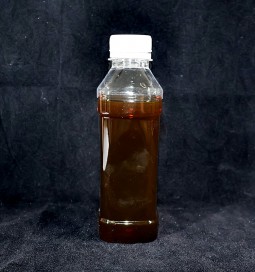
In industrial production and equipment operation, scaling and corrosion have always been important factors affecting equipment efficiency and service life. Whether in boilers, cooling circulation systems, heat exchangers, or industrial pipelines, scale and metal corrosion lead to decreased thermal efficiency, increased energy consumption, and even equipment failure. To address this problem, anti-corrosion and scale inhibitors have emerged and become indispensable chemical auxiliary materials in modern industrial systems.
Scaling refers to the phenomenon of dissolved minerals in water depositing on the surface of equipment under heating or concentration conditions. Common scales include calcium carbonate scale, calcium sulfate scale, and silicate scale.
- Water quality factors: High-hardness water (containing calcium and magnesium ions) easily produces carbonate scale; high dissolved oxygen content in water further promotes metal corrosion and deposition.
- Temperature factors: High-temperature environments reduce mineral solubility and accelerate scaling. This is particularly noticeable in boilers, heat exchangers, and condensers.
- Water flow velocity: Slow water flow or stagnant areas easily lead to deposition. - pH changes: Alkaline environments promote the formation of scale such as calcium carbonate and silicates; acidic environments may accelerate metal corrosion.
- Reduced equipment thermal efficiency, increasing energy consumption.
- Blocked pipes, reduced flow rate, affecting production stability.
- Accelerated corrosion, shortening equipment lifespan.
- Increased maintenance costs and downtime frequency.
Therefore, scientifically and effectively preventing scaling is key to ensuring the efficient operation of industrial systems.
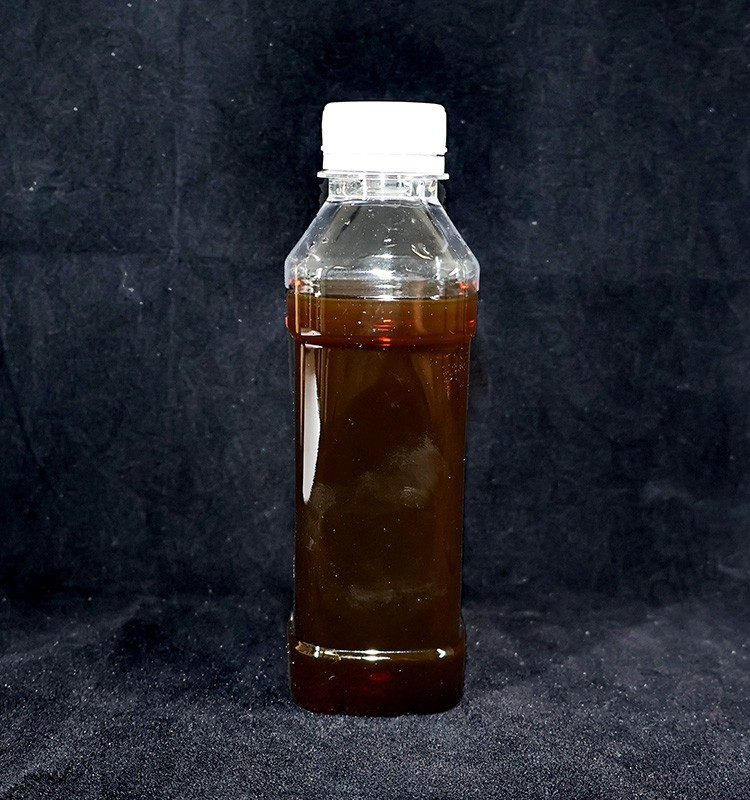
Corrosion and scale inhibitors are a type of composite chemical treatment agent, mainly composed of corrosion inhibitors, scale inhibitors, chelating agents, and surfactants.
- Complexation: The active ingredients in the scale inhibitor combine with calcium, magnesium, iron, and other ions in the water to form stable complexes, preventing their deposition on the equipment surface.
- Crystal Regulation: Changes the morphology of scale crystals, making them less likely to adhere to the metal surface and allowing them to be discharged with the water flow.
- Film Protection: Forms a thin film on the metal surface, preventing direct deposition of minerals in the water.
- Corrosion Inhibition: The corrosion inhibitor component in the scale inhibitor adsorbs onto the metal surface, forming a protective film and reducing contact between the metal and water, oxygen, or corrosive media.
- Oxidation Inhibition: Prevents oxidation reactions, thereby reducing the corrosion rate.
Through the dual effects of scale inhibition and corrosion prevention, the scale inhibitor can effectively protect equipment and extend its service life.
Based on different chemical compositions and application scenarios, scale inhibitors can be classified into the following categories:
(1) Inorganic Scale Inhibitors: The main components are phosphates, nitrites, etc. Suitable for high-temperature boiler systems, but prone to secondary pollution.
(2) Organic Scale Inhibitors: Such as polymer scale inhibitors and carboxylic acid compounds. Characterized by low dosage, high efficiency, and environmental friendliness.
(3) Composite Scale Inhibitors: Inorganic + organic composite formula, possessing both high-efficiency corrosion prevention and scale inhibition properties, with a wide range of applications.
(4) Corrosion Inhibitor Type Scale Inhibitor: Emphasizes the protective effect on metal surfaces, especially suitable for cooling circulation systems and heat exchangers.
Different types of scale inhibitors can be flexibly selected based on system water quality, operating temperature, equipment material, etc.
(1) Continuous Dosing Method: Suitable for circulating water systems, ensuring stable scale inhibitor concentration in the water for long-term protection.
(2) Intermittent Dosing Method: Suitable for boilers or equipment operating intermittently, replenished periodically according to operating time and water quality conditions.
(3) Pre-cleaning Dosing Method: Use high-concentration scale inhibitors before equipment cleaning or shutdown to quickly decompose existing scale layers.
Scientific dosing not only improves scale inhibition effect but also saves on chemical costs and avoids waste.
(1) Regular Water Quality Monitoring: Monitor indicators such as hardness, pH value, dissolved oxygen, and conductivity to ensure reasonable scale inhibitor dosage.
(2) System Operation Management: Control water temperature, flow rate, and pressure to reduce the physical conditions for scale formation.
(3) Select the appropriate scale inhibitor type: Choose a high-efficiency and stable product based on the equipment material and water quality characteristics.
(4) Regular maintenance and cleaning: Remove tiny deposits on the equipment surface to prevent scale buildup.
Through scientific management, the scale inhibition effect can be maximized.
Using corrosion and scale inhibitors not only improves water quality and equipment efficiency but also has significant economic benefits:
- Reduced equipment maintenance costs: Reduces downtime and repair costs caused by scaling and corrosion.
- Extended equipment lifespan: Reduces metal corrosion and deposition wear.
- Reduced energy consumption: Maintains heat exchange efficiency and reduces heating and cooling energy consumption.
- Improved production stability: Maintains stable system operation and reduces abnormal downtime.
In summary, scale inhibitors offer a high return on investment and are an important means for industrial enterprises to save energy and reduce consumption.
With the increasing complexity of industrial equipment and stricter environmental protection requirements, corrosion and scale inhibitors are constantly being upgraded:
(1) Green and environmentally friendly: Low toxicity and biodegradable, reducing negative impacts on the environment.
(2) High-efficiency and long-lasting: Reduces dosage frequency and extends shelf life.
(3) Intelligent monitoring: Enables precise dosage through online monitoring.
(4) Multifunctional composite: Simultaneously possesses scale inhibition, corrosion prevention, and antimicrobial functions, improving the overall protection capability of the system.
In the future, corrosion and scale inhibitors will develop towards high efficiency, environmental protection, and intelligence, providing comprehensive protection for industrial equipment.
Corrosion and scale inhibitors play an irreplaceable role in preventing scaling and corrosion. Through scientific selection of inhibitor types, reasonable dosage, and management, scale deposition can be effectively reduced, equipment metal surfaces can be protected, thermal efficiency can be improved, energy consumption can be reduced, and equipment lifespan can be extended. For industrial enterprises, corrosion and scale inhibitors are not only chemical agents but also important tools for ensuring production efficiency and economic benefits. With technological advancements and increasing environmental protection demands, corrosion and scale inhibitors will be optimized and applied in more fields, providing reliable guarantees for the efficient and stable operation of industrial equipment.

 E-mail:jcl@jichanglong.com
 WhatsApp:+8618560709619
 Address:Block B, Polymer Materials Industry Innovation Park,No. 51, Lutai Avenue, High-tech Zone, Zibo City, Shandong Province
China vanadium inhibitors manufacturer Shandong Jichanglong Environmental Engineering Co., Ltd.
Jichanglong specializes in vanadium inhibitor , dehumidification and drying block, calcium hypochlorite disinfectant tablets, polyacrylamide and other products. With over 20 years of experience, we offer quality assurance and wholesale prices.