In modern industrial water treatment systems, reverse osmosis (RO) technology has become one of the core processes for producing high-purity water, widely used in key industries such as electronics and semiconductors, power energy, food and beverage, biopharmaceuticals, and seawater desalination. However, a core issue that remains unavoidable during the long-term operation of RO systems is: how long is the shelf life of Reverse Osmosis Biocide? This question seems simple, but it actually involves multiple complex factors, including chemical stability, storage environment, formulation structure, usage methods, and microbial control mechanisms. Understanding this is crucial for ensuring stable operation of reverse osmosis systems, extending membrane life, and reducing maintenance costs.
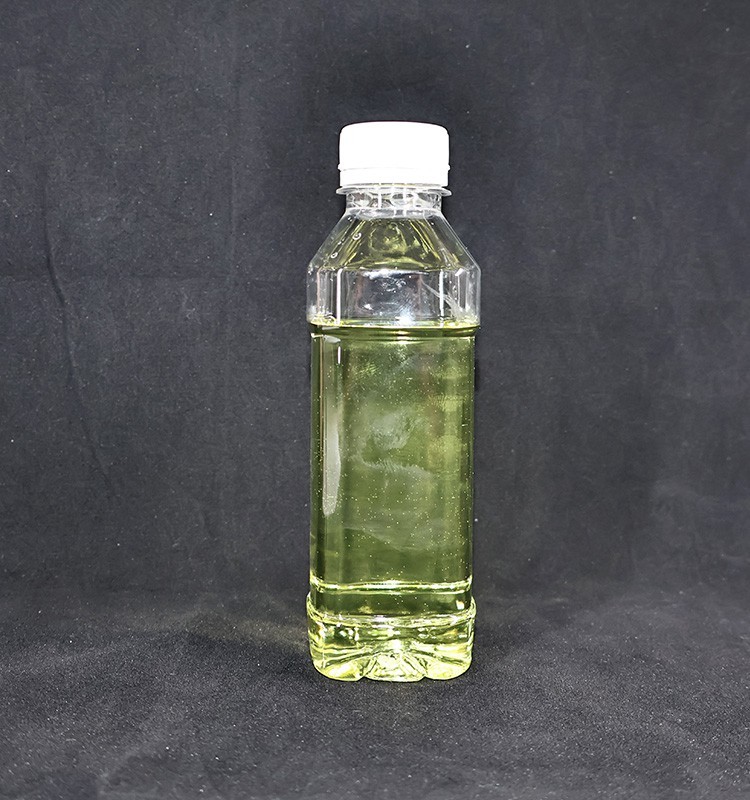
Reverse Osmosis Biocide are a class of specialized water treatment chemicals used to control microbial contamination. Their core function is to inhibit or kill bacteria, fungi, algae, and other microorganisms in the water system, thereby preventing membrane fouling and biofilm formation.
In reverse osmosis systems, microbial contamination is one of the most common and difficult problems to control. Once a biofilm forms on the membrane surface... Success will lead to: decreased permeate flow, increased membrane pressure differential, increased energy consumption, increased cleaning frequency, and shortened membrane life. Reverse osmosis disinfectants are widely used in this context to maintain system cleanliness and stable operation.
Many users easily confuse the concept of "shelf life" in actual use. In fact, the shelf life of RO disinfectants can be divided into three levels:
(1) Storage shelf life, i.e., the time during which the agent remains stable when unopened.
(2) Post-opening shelf life, i.e., the time during which the product can still be used normally after opening.
(3) System action time, i.e., the duration of bactericidal effect after being added to the water body.
These three time dimensions are not the same and must be understood separately.
Under standard industrial storage conditions (sealed, (Protected from light and kept at room temperature) The shelf life of different types of reverse osmosis disinfectants varies significantly.
Generally speaking: Oxidizing disinfectants have relatively low storage stability. For example, hypochlorite products, due to their strong reactivity, slowly decompose during storage, and their activity typically decreases within a few months. Non-oxidizing disinfectants, on the other hand, have more stable structures. For example, isothiazolinones or quaternary ammonium salts can maintain chemical stability for a longer period under proper storage conditions. High-end compound membrane-specific disinfectants, through the addition of stabilizers and slow-release structure design, can significantly extend their shelf life.
Overall, in practical industrial applications: Oxidizing disinfectants are typically short-term stable, non-oxidizing disinfectants are medium- to long-term stable, and specialized compound products are long-term stable.
However, regardless of the type, their stability is highly dependent on… Storage conditions.
When a reverse osmosis disinfectant is opened, its chemical system gradually comes into contact with air, moisture, and impurities in the environment, causing the active ingredients to slowly decrease. The shelf life after opening is usually significantly shorter than that of the unopened state.
General industrial experience suggests that: Opened disinfectants should be used up within a short period to ensure the best effect of their active ingredients.
If exposed to air for a long time, especially in high temperature or high humidity environments, some disinfectants may experience: decreased concentration, decomposition of active ingredients, reduced sterilization efficiency, and changes in appearance (slight discoloration or precipitation).
Therefore, in actual operation, management after opening is more critical than in the unopened state.
(1) Temperature conditions:Temperature is a key factor affecting the chemical reaction... Key factors affecting the decomposition rate. Increased temperature significantly accelerates the decomposition reaction, causing the bactericide's activity to decrease more rapidly. At high temperatures, some oxidizing bactericides may even exhibit significant stability decline. Conversely, in a suitable ambient temperature environment, the agent can maintain a stable state for a longer period.
(2) Effects of light:Ultraviolet radiation and strong light can accelerate the destruction of some chemical structures, especially oxidizing systems which are more sensitive to light. Therefore, industrial storage typically requires the use of light-proof containers or cool storage conditions.
(3) Effects of pH environment:Different bactericides have different pH tolerance ranges. Excessively acidic or alkaline environments will affect their stability, causing structural changes in the active ingredients, thereby reducing their bactericidal ability. A neutral environment is generally more conducive to maintaining stability.
(4) Catalytic effect of metal ions: Iron, metal ions in water or containers... Copper and other metal ions may catalyze the decomposition of certain bactericides, thus accelerating their degradation process. Therefore, metal contamination should be avoided as much as possible during storage.
(5) Differences in Formulation Structure:Formulation design is the core factor determining shelf life. Single-component systems have lower stability, while compound systems, by introducing stabilizers, buffer systems, and slow-release structures, can significantly improve product lifespan.
This is also an important reason why modern industrial bactericides are gradually developing towards compound formulations.
From an industrial application perspective, RO bactericides are mainly divided into three categories, each with different stability characteristics.
(1) Oxidizing bactericides react rapidly but have weak stability, suitable for rapid sterilization scenarios, but have a short storage period.
(2) Non-oxidizing bactericides have stronger stability and are suitable for long-term system protection. Longer shelf life.
(3) Membrane-specific compound bactericides strike a balance between stability and compatibility, and are one of the most widely used types in industrial applications.
In practical applications, several phenomena can be observed to determine the state of the agent.
(1) Changes in appearance, including darkening of color or slight precipitation.
(2) Changes in odor; some products will have a weaker or abnormal odor after degradation.
(3) If the microbial control effect decreases significantly under the same dosing conditions, it may also mean that the agent's activity has decreased.
These phenomena are usually important references for judging the product's state.
In industrial practice, proper management can significantly extend the service life of bactericides. Controlling the storage temperature within a suitable range helps reduce... Low decomposition rate. Avoiding direct sunlight reduces photochemical reactions. Maintaining a sealed environment reduces atmospheric oxidation. Avoiding mixing with other chemicals reduces the risk of cross-reactions. These simple measures are crucial for maintaining the performance of the agent.
In summary, the shelf life of reverse osmosis disinfectants is generally affected by a variety of factors. In practical industrial applications, their shelf life ranges from several months to several years, while stability decreases significantly after opening. Oxidizing products have shorter shelf lives, while non-oxidizing and compound products have longer stability. Scientific management of storage conditions and usage methods is key to ensuring their performance. With the continuous upgrading of water treatment technology, future reverse osmosis disinfectants will continue to develop towards higher stability, stronger compatibility, and greater environmental friendliness, providing more reliable protection for global industrial water systems.

 E-mail:jcl@jichanglong.com
 WhatsApp:+8618560709619
 Address:Block B, Polymer Materials Industry Innovation Park,No. 51, Lutai Avenue, High-tech Zone, Zibo City, Shandong Province
China vanadium inhibitors manufacturer Shandong Jichanglong Environmental Engineering Co., Ltd.
Jichanglong specializes in vanadium inhibitor , dehumidification and drying block, calcium hypochlorite disinfectant tablets, polyacrylamide and other products. With over 20 years of experience, we offer quality assurance and wholesale prices.