With the advancement of sectors such as industrial production, product inspection, the manufacturing of daily chemical products, and scientific research, the application of dyes has extended well beyond traditional coloring requirements. Beyond providing vivid, stable color, certain specialized applications demand that dyes produce a distinct fluorescent effect under specific lighting conditions. Fluorescent liquid dyes are essential materials designed to meet these needs.
Typically supplied in liquid form, these dyes are characterized by their vibrant color, ease of dispersion or dissolution, and flexible usage. Unlike conventional dyes, certain fluorescent dyes can absorb light at specific wavelengths and subsequently emit visible light at different wavelengths; consequently, when exposed to ultraviolet (UV) light or other appropriate light sources, they exhibit a significantly brighter visual effect.
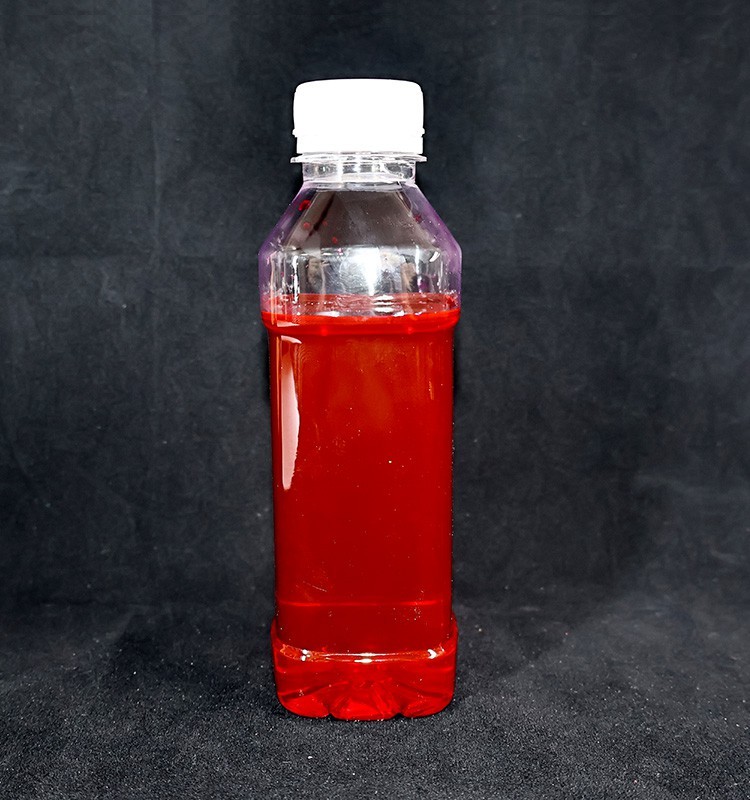
Fluorescent liquid dyes are liquid coloring agents capable of producing a fluorescent effect. They generally consist of fluorescent coloring components, solvents or dispersion media, and various auxiliary ingredients. The specific formulation varies depending on the type of dye, the application environment, and the target material.
The phenomenon of fluorescence is primarily linked to the light-absorption and light-emission properties of the dye molecules. When a fluorescent dye absorbs light energy at a specific wavelength, a portion of that energy is re-emitted as light, causing the material to appear bright and vivid. Because excitation wavelengths, emission wavelengths, and fluorescence intensity can vary significantly between products, not all fluorescent liquid dyes will produce the same effect under the same light source.
In terms of physical form, liquid dyes offer advantages over powder dyes, particularly regarding measurement, mixing, and automated dosing. Production personnel can incorporate them into suitable liquid systems—adjusting color concentration and usage ratios according to specific process requirements. However, the feasibility of adding a particular dye to a given material ultimately depends on the dye’s solubility, its compatibility with the material, and the manufacturer’s product specifications.
Fluorescent liquid dyes come in a wide range of colors, including fluorescent yellow, green, red, orange, and pink. Each color is suited to different product designs and application scenarios.
Fluorescent liquid dyes impart bright, striking colors to the materials they color. Under appropriate lighting conditions, some of these products produce a distinct fluorescent effect, making them ideal for applications that require enhanced color prominence and high visual visibility. It should be noted that the fluorescent effect is influenced by factors such as ambient light, the wavelength of the light source, dye concentration, and the color of the substrate. Actual performance should be verified through testing of the specific product.
Compared to powdered forms, liquid dyes are often easier to measure, dose, and mix during production processes. They help minimize dust-related issues and are well-suited for use with automated production equipment. For enterprises requiring continuous production or precise color control, the liquid form enhances the convenience of the formulation process. However, if the product is a suspension or dispersion, it may require stirring according to the manufacturer's instructions before use.
Fluorescent liquid dyes are available in a diverse array of colors, meeting various design requirements for different products. Manufacturers can select colors based on the intended use, market demand, and brand design, or conduct color-matching tests with technical guidance from the supplier.
Different types of fluorescent liquid dyes are designed for specific systems, such as water-based, solvent-based, or other specialized formulations. It is important to recognize that these dyes are not universally compatible; a product suitable for a water-based system may not be directly applicable to oil-based coatings, plastics, or other materials. Therefore, when selecting a dye, it is essential to verify its chemical type, carrier, solubility, and compatible substrates.
Certain fluorescent dyes exhibit a pronounced optical response, making them useful for applications such as liquid tracing, leak detection, and scientific research. Under appropriate detection conditions, the observation of fluorescent signals can assist in identifying fluid flow paths or inspecting specific areas.
The textile industry is a major application sector for fluorescent coloring materials. Fluorescent liquid dyes can be applied to certain fibers, fabrics, or textile finishing processes, imparting vibrant, eye-catching colors to the materials.
In apparel, sportswear, decorative fabrics, and various functional textiles, vivid colors enhance visual impact. For instance, sportswear, stage costumes, and outdoor gear often incorporate fluorescent hues to meet specific design requirements or visual identification needs. However, because different fiber materials possess distinct structures and chemical properties, the suitability of a given dye varies; a single dyeing process cannot be applied universally to materials like cotton, polyester, or nylon. Manufacturers must select the appropriate dye system based on the specific fiber type and rigorously test for dyeing uniformity, wash fastness, light fastness, and overall color fastness.
Fluorescent liquid dyes are also utilized in the production of certain printing inks and specialized marking materials. Compared to standard colors, fluorescent shades create a more striking visual effect, making them ideal for printed materials that need to capture attention or facilitate color-coded differentiation.
Common applications include promotional materials, packaging, labels, posters, and various commercial displays. For example, fluorescent orange or yellow can be used to highlight critical information, ensuring that printed content stands out even in visually complex environments. In the printing process, the dye must demonstrate good compatibility with the resins, solvents, and other additives present in the ink. Furthermore, factors such as printing equipment, the substrate (material being printed on), and drying conditions must also be taken into account.
It is important to note that fluorescent dyes and fluorescent pigments are not the same. Dyes typically exist in a molecular state—dissolved or dispersed within a medium—whereas pigments generally exist as solid particles. Because they differ in terms of transparency, weather resistance, dispersion requirements, and printing performance, the appropriate product must be selected based on the specific ink formulation.
In the field of plastics processing, certain fluorescent liquid dyes can be incorporated into compatible plastic systems to provide vivid colors and unique visual effects. Applications include plastic decorative components, display items, stationery, toy parts, and various other plastic products. For products where aesthetic design is a priority, fluorescent colors can help create more striking visual characteristics. There is a wide variety of plastic materials—such as polyethylene, polypropylene, polystyrene, and polycarbonate—each with distinct processing temperatures, polarities, and chemical structures, which in turn dictate specific compatibility requirements for dyes.
Therefore, when using fluorescent liquid dyes in plastic manufacturing, it is essential to verify that the dye is suitable for the target resin. Additionally, one must evaluate its stability at processing temperatures, its color performance, and its impact on the final product's properties. For high-temperature processes like injection molding or extrusion, the thermal stability of the dye requires particular attention.
Fluorescent liquid dyes can be incorporated into certain specialized coatings and surface-coloring formulations to provide vibrant color effects. Depending on the formulation, they may be used in decorative coatings, display items, handicrafts, or specific industrial marking materials. In advertising displays, interior decoration, and event setups, fluorescent colors enhance the visual appeal of surfaces. For instance, certain display props, decorative materials, and specialized signage utilize fluorescent colors to achieve a striking appearance under specific lighting conditions.
In the production of coatings, the dye must be compatible with other components—such as resins, solvents, and additives—while also meeting requirements for application and film formation. Furthermore, the lightfastness and weather resistance of the fluorescent dye must be assessed based on the intended operating environment. If a coating is expected to be exposed to sunlight for extended periods, it is crucial to test for potential color shifts and the degradation of fluorescence.
Industrial inspection represents a specialized application for fluorescent dyes. In certain diagnostic procedures, a fluorescent dye can be added to a specific liquid; by observing the resulting fluorescent signal, technicians can track the fluid's flow path or pinpoint the location of potential leaks. For example, in industrial circulation systems, pipeline inspections, or equipment maintenance, specialized fluorescent tracer dyes can be used to monitor fluid movement. Following appropriate testing protocols, these dyes help personnel narrow down the scope of an investigation, thereby improving the efficiency of the inspection process. Specialized fluorescent tracer products also exist for the maintenance of vehicles and equipment. For instance, certain dyes are designed for leak detection in specific vehicle systems; however, because different systems have varying requirements for chemical compatibility, one cannot simply add a generic fluorescent liquid dye into any piece of equipment or vehicle. In such applications, the product must meet the specifications of the system being tested, ensuring it does not adversely affect seals, piping, lubricants, or the overall operation of the equipment.
In the fields of scientific research and laboratory work, fluorescent materials are frequently employed for optical observation, experimental analysis, and specific investigative studies. Certain fluorescent dyes emit a detectable fluorescent signal when excited by a specific light source, making them useful for studying the distribution of substances, the diffusion of liquids, and various optical phenomena.
In chemical experiments, materials research, and environmental testing, researchers select specific types of fluorescent dyes tailored to their experimental objectives. By controlling factors such as dye concentration, light source conditions, and detection equipment, researchers can observe the fluorescent response of a sample under defined parameters. It should be noted, however, that standard industrial-grade fluorescent liquid dyes may not be suitable for precise scientific research. Laboratory applications typically impose stricter requirements regarding purity, impurity levels, fluorescence intensity, and batch-to-batch consistency; therefore, specialized products that meet specific experimental standards should be selected.
Fluorescent liquid dyes are also used in certain advertising materials, display items, and specialized signage. Their vivid colors help highlight text, patterns, and product appearances, making them ideal for applications that require high visual visibility. For example, fluorescent colors are often incorporated into promotional displays, event decorations, signage, and artistic designs. Strategic color combinations can make a design more striking and facilitate the visual differentiation of various areas or products.
For signage materials intended for long-term outdoor use, factors such as UV resistance, weatherability, and color stability must also be considered. The presence of a fluorescent effect does not automatically imply that a material possesses good outdoor durability.
(1) Differences in optical performance. Conventional dyes typically function by selectively absorbing visible light, whereas fluorescent dyes can absorb light energy and subsequently emit light at specific wavelengths, often resulting in a more vivid or brighter visual effect.
(2) Differences in intended use: Conventional dyes are widely used for the standard coloration of textiles, paper, leather, and other materials. Beyond simple coloration, fluorescent liquid dyes are also utilized in specialized printing, visual identification, and fluorescent tracing applications.
(3) Differences in selection criteria: When choosing conventional dyes, the primary considerations are typically color, solubility, and colorfastness. For fluorescent dyes, one must also evaluate excitation and emission characteristics, fluorescence intensity, and stability under light exposure.
It should be noted that fluorescent dyes are not necessarily more lightfast or durable than conventional dyes. Some fluorescent dyes may exhibit a loss of fluorescence or a shift in color when exposed to light for extended periods; therefore, they must be tested within the context of their specific end-use environment.
(1) Identify the material: First, determine the material to be dyed—such as textiles, plastics, coatings, inks, or industrial liquids. Different substrates possess distinct chemical structures, which dictate specific requirements for dye solubility and compatibility.
(2) Confirm the product type and carrier: Fluorescent liquid dyes may be formulated using various solvents or dispersion media. When sourcing, verify whether the product is water-based, solvent-based, or part of another system, and ensure it is compatible with your existing production formulations.
(3) Select the appropriate color and fluorescent effect: Choose a color based on your product design and intended usage environment, and confirm whether the dye needs to fluoresce under ultraviolet (UV) light or other specific light sources. For applications with precise detection requirements, request technical documentation regarding optical properties from the supplier.
(4) Consider stability and durability: If the dye is intended for products with a long service life, evaluate its lightfastness, heat resistance, water resistance, and other relevant performance characteristics. For materials intended for outdoor use, pay particular attention to how long-term light exposure and environmental fluctuations may affect the color.
(5) Check for compatibility and process requirements: Adding a dye to an existing system may affect the formulation’s color, transparency, stability, or other properties. It is recommended to conduct small-scale tests before full-scale production to evaluate the mixing results, storage stability, and the performance of the final product.
(6) Understand safety and environmental requirements: When procuring, review the product’s technical documentation and Safety Data Sheet (SDS) to understand its composition, storage conditions, handling requirements, and applicable regulatory standards. If the product is intended for use in textiles, toys, food-contact materials, or other specialized sectors, ensure it complies with the relevant industry regulations.
(1) Follow the recommended dosage ratios provided by the supplier. A concentration that is too low may result in a faint color, while an excessively high concentration may not necessarily enhance the fluorescent effect and could instead compromise system stability or increase production costs.
(2) Check the condition of the product before use. For dispersed products that require agitation, ensure they are thoroughly mixed according to the instructions to prevent color variations caused by uneven dispersion.
(3) Conduct compatibility testing. Dyes may interact with resins, solvents, additives, or other raw materials. Do not mix dyes from different brands or types without prior testing.
(4) Pay attention to storage conditions. Products should be kept in sealed containers as specified in the technical documentation, away from extreme heat, direct sunlight, and potential contaminants. Refer to the product instructions for specific storage temperature ranges and shelf life.
(5) Industrial personnel should implement appropriate protective measures based on the Safety Data Sheet (SDS) to avoid unnecessary skin or eye contact, and ensure the workspace is well-ventilated. Waste dye solutions and cleaning wastewater must be disposed of in accordance with local environmental regulations; they should not be discharged indiscriminately.
Fluorescent liquid dyes are materials that offer both coloring capabilities and unique optical properties. They have diverse applications across various fields, including textile dyeing, ink printing, plastic manufacturing, coatings and decorative finishes, industrial liquid tracing, scientific research, and advertising signage. Compared to conventional liquid dyes, fluorescent liquid dyes offer more vivid visual effects under appropriate lighting conditions, making them well-suited for applications that require high color distinctiveness or specific optical performance.
However, products can vary significantly in terms of composition, carrier medium, compatibility with different materials, and overall performance. When procuring and using these dyes, companies should select the appropriate product based on factors such as the substrate type, production process, specific fluorescence requirements, and relevant safety standards; the effectiveness should also be verified through practical testing. Only by aligning product performance with the specific demands of an application can the full potential of fluorescent liquid dyes be realized.

 E-mail:jcl@jichanglong.com
 WhatsApp:+8618560709619
 Address:Block B, Polymer Materials Industry Innovation Park,No. 51, Lutai Avenue, High-tech Zone, Zibo City, Shandong Province
China vanadium inhibitors manufacturer Shandong Jichanglong Environmental Engineering Co., Ltd.
Jichanglong specializes in vanadium inhibitor , dehumidification and drying block, calcium hypochlorite disinfectant tablets, polyacrylamide and other products. With over 20 years of experience, we offer quality assurance and wholesale prices.



