With the development of industrial production, equipment maintenance, and water treatment, metal corrosion and scale deposition have become significant factors affecting the operational efficiency and service life of equipment. Whether in industrial pipelines, heat exchangers, circulating water systems, or other metal equipment that comes into contact with water, issues such as rust, scale, and surface deposits can arise during long-term operation. These problems not only hinder the normal functioning of equipment but also increase costs related to cleaning, repairs, and component replacement. Consequently, an increasing number of enterprises are turning to corrosion and scale inhibitors, seeking to improve the condition of their equipment through appropriate chemical treatment.
So, are corrosion and scale inhibitors effective? The answer is yes—provided that the product is of high quality and used under the correct conditions. As a formulated chemical product designed to combat both rust and scale, it can address specific corrosion and deposition issues, improving the state of equipment surfaces when applied correctly. However, the actual effectiveness depends on various factors, including the product's composition, the material of the equipment, the type of rust or scale present, the concentration used, and the operating environment.
Understanding the working principles, key advantages, scope of application, and proper usage of these inhibitors helps enterprises make more informed product choices and enhances the efficiency of equipment maintenance and water treatment processes.
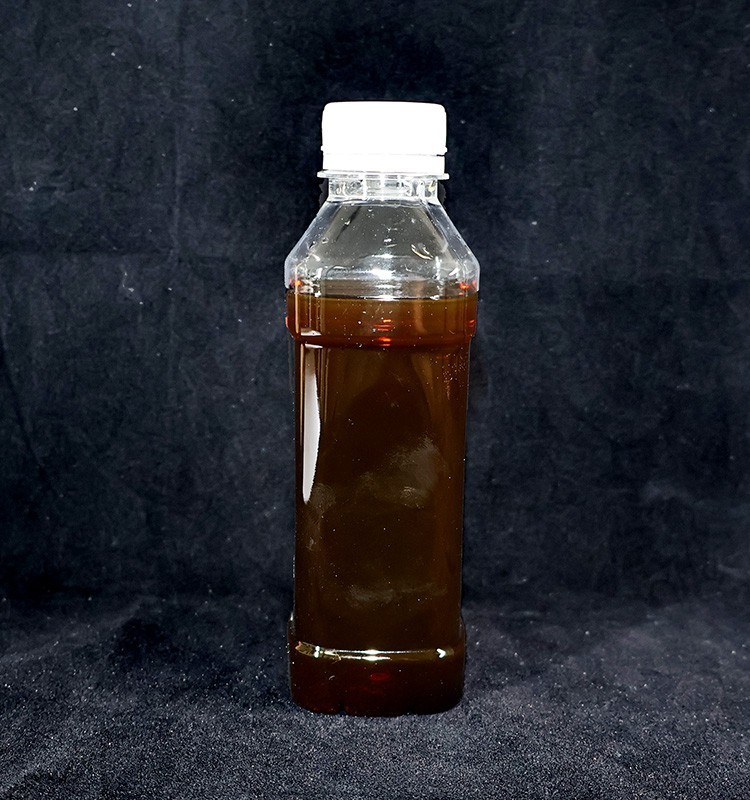
Corrosion and scale inhibitors are a category of chemical treatment products used to manage metal corrosion and deposition. Depending on their specific formulation, they can address both rust and scale, making them suitable for various industrial equipment, pipelines, and water treatment applications. Since the composition and functional focus of products can vary between manufacturers, it is essential to refer to the specific technical documentation provided for each product.
During long-term operation, metal surfaces are subject to the influence of moisture, dissolved oxygen, minerals, temperature fluctuations, and other environmental factors. Ferrous materials are prone to rust under the right conditions, while minerals such as calcium and magnesium present in water can form deposits. As rust and scale accumulate, equipment surfaces may become rough, the effective flow area within pipes may decrease, and the heat transfer efficiency of heat exchange equipment can be compromised. The primary value of corrosion and scale inhibitors lies in their ability to address rust and scale issues through specific chemical processes, while also helping to mitigate the risk of further deposit formation or adhesion under appropriate conditions. Some formulations also incorporate corrosion inhibitors, which help protect metal surfaces and reduce the likelihood of subsequent corrosion.
The effectiveness of corrosion and scale inhibitors stems from the active ingredients in their formulations and how these components interact with rust products, mineral deposits, and the environment of the metal surface. While specific mechanisms vary by formulation, they are generally designed to target rust layer treatment, deposit control, and the protection of metal surfaces.
(1) Certain rust-removing components react chemically with rust products on metal surfaces, causing the rust layer to loosen, dissolve, or become easier to remove. For certain levels of corrosion, this process improves the cleanliness of the metal surface, providing a better foundation for subsequent maintenance.
(2) Some formulations influence the process of mineral deposition, reducing the likelihood that specific types of scale will form or adhere. Scale typically develops when conditions—such as water quality, temperature, and ion concentration—are favorable. By disrupting crystal growth or dispersing fine particles, effective anti-scaling agents can reduce the accumulation of deposits on equipment surfaces.
(3) Certain multi-component corrosion and scale inhibitors may also contain corrosion inhibitors designed to lower the risk of corrosion on metal surfaces in specific environments. The actual performance of these components depends on factors such as the type of metal, water quality, the concentration of the chemical agent, and the system's operating conditions. The effectiveness of a corrosion and scale inhibitor is not determined solely by its name, but rather by its specific formulation and the actual operating environment.
For different types of equipment and various forms of rust or scale, the suitability of a product should be evaluated by reviewing technical documentation, verifying material compatibility, and conducting necessary application tests.
Whether a rust or scale remover can effectively address these issues depends on the composition, thickness, and degree of adhesion of the deposits. In cases involving mild corrosion or deposits that are susceptible to the specific product being used, a noticeable cleaning effect can often be observed. However, dealing with thick layers of rust, long-standing hard scale, or complex mixed deposits can be significantly more challenging.
Metal corrosion typically involves iron oxides and hydrated iron oxides. Rust layers may be loose and porous, or they may be firmly adhered to the substrate surface. Appropriate corrosion and scale inhibitors contain specific components that react with certain corrosion products, helping to improve the condition of the metal surface. The mechanism of scale formation is different; under specific conditions, certain minerals present in water—such as calcium carbonate—can precipitate and form deposits. While suitable scale-inhibiting formulations can help control the deposition process of certain minerals, not all such products are capable of directly dissolving thick, pre-existing scale.
For equipment affected by both rust and scale, the effectiveness of a product depends on the ratio of these two types of deposits, their chemical composition, and the condition of the surface. In some cases, it is advisable to analyze the deposits first to determine whether a rust-removal or scale-inhibiting agent is the appropriate solution.
For certain types of corrosion, these agents can help remove rust layers and deposits from metal surfaces. A cleaned surface is easier to inspect and facilitates subsequent maintenance. The degree of cleanliness achieved depends on the nature of the rust layer and the specific performance of the product.
Under appropriate water quality and operating conditions, formulations with scale-inhibiting properties can help reduce the risk of mineral deposition. When used correctly, they can minimize the accumulation of deposits on equipment surfaces, thereby reducing the frequency with which cleaning is required.
Rust and scale can impair fluid flow in pipes, reduce heat-transfer efficiency, and compromise the stability of equipment operation. By controlling these issues, corrosion and scale inhibitors help equipment maintain optimal operating conditions. It should be noted, however, that equipment efficiency is also influenced by factors such as design, flow rate, temperature, and other operational parameters; therefore, any observed improvement in performance cannot be attributed solely to the use of a single chemical agent.
Depending on the product type and equipment design, corrosion and scale inhibitors can be incorporated into specific cleaning, maintenance, or water treatment procedures. For equipment suitable for chemical treatment, the use of an appropriate product may reduce the need for certain mechanical cleaning tasks; however, all operational procedures must strictly adhere to the product instructions and equipment requirements.
Effectively managing rust and deposit issues can help enterprises reduce unplanned downtime, as well as expenses related to cleaning and equipment maintenance. The actual economic benefit depends on factors such as the cost of the chemical agents, frequency of use, equipment operating conditions, and the overall maintenance strategy; therefore, assessments should be based on long-term operational data.
Industrial piping systems used for the long-term transport of water or other media are susceptible to corrosion and the accumulation of deposits. Appropriate corrosion and scale inhibitors can be utilized as part of piping maintenance or deposit control efforts to help mitigate internal pipe issues. When selecting a product, it is essential to consider the pipe material, the medium being transported, operating temperatures, and the nature of the deposits. Different piping materials—particularly those involving stainless steel, copper alloys, aluminum, seals, or internal coatings—have varying levels of chemical resistance, making material compatibility verification critical.
Circulating water systems are commonly used in industrial settings for cooling, heat exchange, and temperature control during production processes. As water circulates continuously, changes in mineral concentration and other water quality parameters can increase the risk of scaling or corrosion. corrosion and scale inhibitors designed for these systems can help manage specific rust and scale issues; however, product selection must account for factors such as make-up water quality, the quality of the circulating water, the system's concentration ratio, and operating temperatures. For systems requiring continuous, long-term dosing, the application method should be determined in accordance with the product’s technical documentation and a professional water treatment plan.
Heat exchangers rely on metal surfaces to transfer heat; consequently, the formation of deposits can increase thermal resistance and impair the equipment's heat-transfer efficiency. For compatible equipment and specific types of deposits, corrosion and scale inhibitors can serve as part of a maintenance strategy to help address rust and scale-related issues. However, heat exchangers are typically constructed from various metals or a combination of materials; some units also incorporate gaskets, seals, and specialized surface coatings. Before use, it is essential to verify that the product will not adversely affect these materials and to ensure that all procedures align with the equipment manufacturer’s specifications.
Certain water storage units and metal containers may develop rust or scale deposits due to water quality, humidity, or operating conditions. Appropriate rust-removal and descaling products can be utilized for specific maintenance tasks to help improve the condition of equipment surfaces. If the equipment is used for drinking water, food processing, or other applications with stringent hygiene requirements, one must confirm that the product is approved for such use and strictly adhere to all protocols regarding cleaning, rinsing, and returning the equipment to service. Standard industrial chemicals must not be used directly in these systems.
During the overhaul of certain metal equipment, corrosion and scale inhibitors can serve as cleaning and maintenance aids. For components suitable for chemical treatment, a well-designed treatment plan can help minimize interference from rust and scale deposits during inspections. For precision parts, specialized alloys, or high-value equipment, a compatibility assessment must be conducted first. If a product risks compromising dimensional accuracy, surface coatings, or sealing materials, alternative maintenance methods should be considered.
(1) Composition of rust and scale. Rust, carbonate scale, sulfate deposits, and other contaminants possess distinct chemical properties, leading to varied reactions with chemical agents. If the deposits have a complex composition, a single-formula product may not yield the desired results.
(2) Thickness and adhesion of rust and scale. Light deposits are generally easier to treat than thick, long-standing accumulations. In cases of severely clogged pipes or heavily scaled heat exchangers, specialized cleaning protocols may be required, rather than relying solely on conventional corrosion and scale inhibitors.
(3) Equipment material. Carbon steel, stainless steel, aluminum, copper alloys, and various coated surfaces may react differently to chemical agents. The product must be compatible with the target material to ensure that deposits are removed without damaging the underlying substrate.
(4) Water quality and operating environment. Factors such as temperature, pH value, mineral concentration, dissolved oxygen, and flow conditions all influence processes related to corrosion, scaling, and the effectiveness of chemical agents. For industrial water systems, it is essential to assess actual conditions through water quality testing.
(5) Dosage and application method. An insufficient concentration of a chemical agent may fail to achieve the desired results, while an excessive dosage does not necessarily improve performance and may instead increase costs or lead to compatibility issues. Always follow the product instructions strictly; do not arbitrarily increase the dosage or extend the treatment duration.
(1) Before use, carefully read the product label, technical data sheet, and safety data sheet (SDS) to understand the product's primary chemical constituents, scope of application, operational requirements, and storage conditions. Since chemical properties can vary significantly between different formulations, one should not judge a product's safety based solely on its name.
(2) Ensure the product is compatible with the materials of the equipment. Certain chemical components may adversely affect specific metals, coatings, sealing materials, or non-metallic components. For critical equipment, verify compatibility—conduct small-scale testing if necessary.
(3) Do not mix corrosion and scale inhibitors with other cleaning agents or water treatment chemicals without authorization. Incompatible products may react negatively when combined. Unless the supplier has explicitly confirmed compatibility, use such products separately and follow the appropriate operating procedures.
(4) Use the required personal protective equipment (PPE) as specified by the product, and ensure the work environment meets safety standards. If the product is used for circulation cleaning or industrial system treatment, the process should be carried out by trained personnel in accordance with equipment manuals and operational protocols.
(5) Properly dispose of waste liquids, rinse water, and residues in compliance with the product's nature and local regulations; do not discharge them without prior assessment. For industrial circulating water systems, monitor changes in water quality to ensure that the treatment approach does not negatively impact downstream processes or violate discharge requirements.
Are corrosion and scale inhibitors effective? When the product formulation is appropriate for the specific application, the usage conditions are correct, and the product is compatible with the equipment materials, these agents can effectively address specific rust and scaling issues. Through appropriate chemical action, it can improve the condition of metal surfaces and help control the formation of certain types of scale in applications that align with the product’s design specifications, thereby supporting the maintenance of industrial equipment and water treatment processes.
However, the specific rust and scale challenges faced by different pieces of equipment can vary significantly; the product's effectiveness is influenced by factors such as the composition of the deposits, the materials of the equipment, water quality conditions, and operational practices. In cases involving severe corrosion, heavy scale accumulation, or complex industrial systems, necessary inspections and testing should be conducted before determining an appropriate treatment strategy. For industrial enterprises, selecting the right rust-removing and anti-scaling agent—complemented by standardized operating procedures, verification of material compatibility, regular inspections, and operational monitoring—can help mitigate maintenance risks, enhance operational stability, and manage long-term maintenance costs more effectively.

 E-mail:jcl@jichanglong.com
 WhatsApp:+8618560709619
 Address:Block B, Polymer Materials Industry Innovation Park,No. 51, Lutai Avenue, High-tech Zone, Zibo City, Shandong Province
China vanadium inhibitors manufacturer Shandong Jichanglong Environmental Engineering Co., Ltd.
Jichanglong specializes in vanadium inhibitor , dehumidification and drying block, calcium hypochlorite disinfectant tablets, polyacrylamide and other products. With over 20 years of experience, we offer quality assurance and wholesale prices.