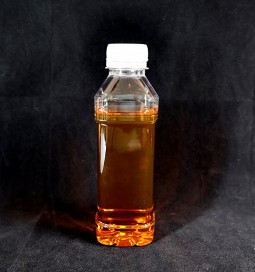
In modern industries such as chemical engineering, environmental protection, water treatment, metallurgy, pharmaceuticals, and food processing, “neutralization” is an indispensable fundamental process. Whether treating acidic wastewater, adjusting alkaline residues, or controlling system stability during chemical reactions, neutralizing agents play a pivotal role. It can be said that neutralizing agents are seemingly basic yet critically important chemicals that permeate the entire industrial production process. As environmental regulations tighten and industrial production demands greater safety and precision control, the application scope of neutralizing agents continues to expand. Their technical sophistication and selection criteria are increasingly emphasized. So, what exactly are neutralizing agents? How do they work? What are their common types? And what roles do they play across different industries? This article provides a systematic and in-depth analysis of neutralizing agents, from fundamental concepts to practical applications.
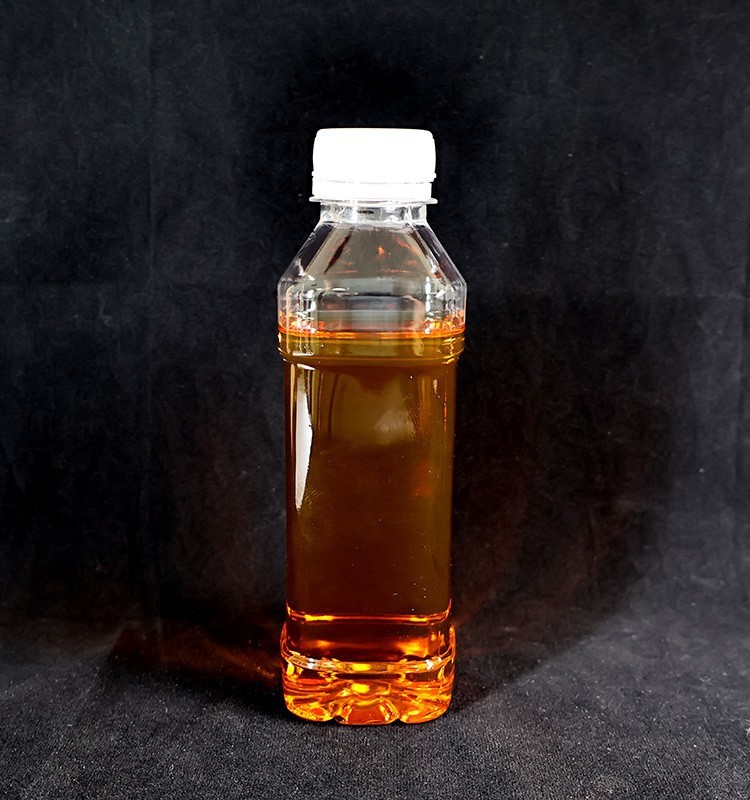
A neutralizing agent refers to a chemical substance capable of undergoing a neutralization reaction with acidic or alkaline substances. This reaction reduces or eliminates their acidity or alkalinity, bringing the system toward neutrality or a target pH range. From a chemical perspective, neutralization typically occurs between acids and bases. The core process involves hydrogen ions (H⁺) combining with hydroxide ions (OH⁻) to form water, simultaneously producing corresponding salt compounds. Neutralizing agents regulate solution acidity/alkalinity through this reaction mechanism. They are not necessarily used solely to adjust solutions to complete neutrality (pH=7). In practical industrial applications, it is more common to adjust systems to a stable pH range suitable for process, discharge, or reaction conditions.
The function of neutralizing agents is fundamentally based on acid-base neutralization reactions, which are essentially interactions between ions.
When an excess of acidic substances exists in a system, they release a large number of hydrogen ions, rendering the solution acidic. Adding an alkaline neutralizing agent at this point causes the hydroxide ions released by the alkaline substance to combine with the hydrogen ions, forming water molecules and thereby reducing the acidity.
When a system exhibits strong alkalinity, the concentration of hydroxide ions in the solution becomes excessively high. Adding an acidic neutralizing agent allows the hydrogen ions released by the acidic substance to combine with hydroxide ions, also forming water. This gradually reduces the alkalinity of the solution.
In industrial practice, neutralizing agents must not only “neutralize” but also “stabilize.” Some neutralizing agents possess buffering capacity, enabling them to resist significant pH fluctuations within a certain range. This is particularly crucial for continuous production processes.
Neutralizing agents can be categorized into various types based on chemical properties and application scenarios.
Acidic neutralizing agents are primarily used to neutralize alkaline substances. They are commonly employed in treating highly alkaline wastewater or adjusting alkaline process environments. These agents typically feature rapid reaction speeds and high adjustment precision. In industrial applications, precise dosage control is essential to prevent the system from shifting from alkaline to excessively acidic conditions.
Alkaline neutralizing agents neutralize acidic substances and are widely used in industrial wastewater treatment, acid washing processes, and chemical reactions. They play a crucial role in reducing acid corrosion and protecting equipment.
Buffering neutralizers not only neutralize acids or alkalis but also stabilize pH fluctuations within a defined range. These agents are particularly critical in processes demanding high pH stability.
Composite neutralizers are typically formulated from multiple components, combining functions such as neutralization, buffering, precipitation, or reaction assistance. They are commonly employed in demanding industrial applications and complex water treatment systems.
Industries such as chemical processing, electroplating, metallurgy, papermaking, and pharmaceuticals often generate large volumes of acidic or alkaline wastewater during production. Direct discharge without neutralization not only damages the ecological environment but also corrodes pipelines and treatment facilities. By appropriately dosing neutralizing agents, wastewater pH can be adjusted to meet discharge standards, creating conditions for subsequent processes like sedimentation and biochemical treatment.
In municipal sewage treatment and industrial circulating water systems, neutralizing agents stabilize water quality, preventing equipment corrosion, scaling, or biological system failure caused by abnormal pH levels.
In power plant desulfurization, denitrification, and circulating water systems, neutralizing agents control water acidity/alkalinity to extend equipment lifespan and enhance system operational stability.
In many chemical reactions, reaction rates and product quality are highly sensitive to pH. Neutralizing agents can adjust system conditions before reactions or treat residual acids/bases post-reaction to improve product stability.
Acid and alkali washing are common processes in metal fabrication. Neutralizing agents treat post-cleaning waste liquids to prevent residual acids/bases from damaging equipment or impacting the environment.
In food and pharmaceutical manufacturing, neutralizing agents are frequently used to adjust the pH of products or process fluids, ensuring taste, stability, and safety. This sector imposes particularly stringent purity and safety standards for neutralizing agents.
Different acid-base systems demand varying reaction efficiencies and byproduct tolerances from neutralizing agents, necessitating targeted selection based on medium composition.
Excessively rapid reactions may cause severe pH fluctuations, while excessively slow reactions compromise efficiency—achieving a reasonable balance is crucial.
Industrial applications must evaluate not only neutralization effectiveness but also procurement costs, storage/transport safety, and equipment corrosion risks.
In practice, improper neutralizer selection or dosing control may cause recurring pH fluctuations, abnormal precipitation, or system blockages. Consequently, more enterprises are adopting automated dosing systems combined with online pH monitoring technology.
Driven by heightened environmental regulations and advancing industrial automation, neutralizing agents are evolving toward greater efficiency, reduced corrosivity, enhanced controllability, and environmental sustainability. Concurrently, the adoption of composite neutralizing agents and intelligent dosing systems is propelling the entire industry toward precision management. Though neutralizing agents may seem inconspicuous within production systems, they play an irreplaceable role in environmental compliance, process stability, and safe operation. A scientific understanding of neutralizing agents' principles and applications, coupled with their rational selection and use, not only enhances production efficiency but also serves as a vital safeguard for achieving sustainable development.

 E-mail:jcl@jichanglong.com
 WhatsApp:+8618560709619
 Address:Block B, Polymer Materials Industry Innovation Park,No. 51, Lutai Avenue, High-tech Zone, Zibo City, Shandong Province
China vanadium inhibitors manufacturer Shandong Jichanglong Environmental Engineering Co., Ltd.
Jichanglong specializes in vanadium inhibitor , dehumidification and drying block, calcium hypochlorite disinfectant tablets, polyacrylamide and other products. With over 20 years of experience, we offer quality assurance and wholesale prices.