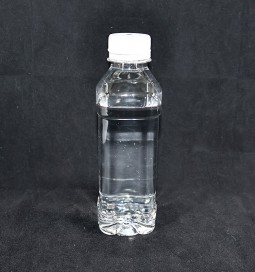
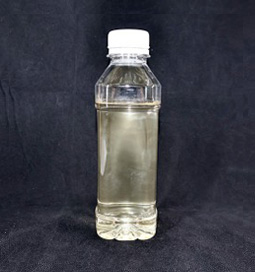
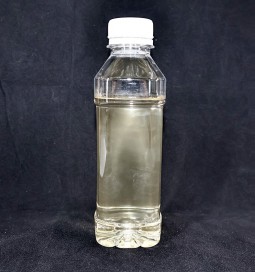
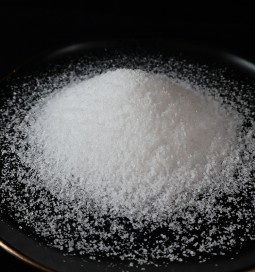
With the continuous advancement of modern industry, water treatment technology has become increasingly widespread across multiple sectors, particularly in environmental protection, chemical engineering, mining, and food processing. Suspended solids, colloidal particles, and harmful substances in water bodies not only compromise water quality but may also adversely affect human health and the ecological environment. To address these challenges, flocculants have gained extensive application as an effective water treatment chemical.
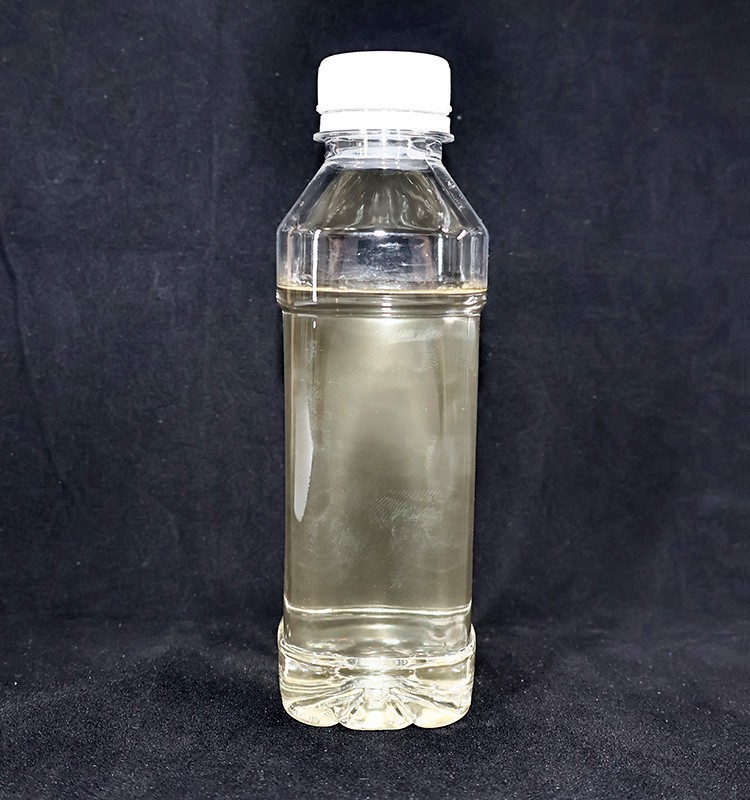
Flocculants are chemical substances that promote the aggregation of suspended solids and colloidal particles in water into flocs. By altering the surface properties of particles in water, they enhance interparticle interactions, facilitating particle aggregation and accelerating the clarification process. The primary function of flocculants is to remove suspended solids, colloidal particles, and pollutants from water, effectively improving water treatment efficiency. The use of flocculants significantly improves water quality and reduces environmental pollution.
The mechanism of flocculants primarily involves charge neutralization, adsorption bridging, and floc formation. Suspended particles in water typically carry negative charges, causing mutual repulsion that hinders natural settling. Flocculants function through the following steps:
- Charge neutralization: Certain components in flocculants interact with surface charges on particles, neutralizing negative charges and enhancing interparticle attraction.
- Adsorption bridging: The polymer chains in flocculants form bridges between particles, promoting aggregation.
- Floc Formation: Under the influence of flocculants, particles aggregate into larger flocs. These flocs increase in volume and density, facilitating removal through sedimentation or filtration.
Flocculants can be categorized into several major types based on their chemical composition and ionic properties. Each type exhibits distinct performance under varying water conditions and applications. Common types include:
Inorganic flocculants typically consist of metal salts such as aluminum salts and iron salts. They rapidly release metal ions in water, which react with suspended particles to form larger flocs.
- Aluminum salts: Examples include aluminum sulfate and polyaluminum chloride (PAC). Widely used in drinking water treatment and wastewater treatment, they exhibit excellent sedimentation effects.
- Iron salts: Examples include ferric chloride and polyferric sulfate (PFS). Suitable for treating high-turbidity wastewater containing large amounts of organic matter, they can remove significant dissolved substances.
The advantage of inorganic flocculants lies in their lower usage cost, but they produce more byproducts, necessitating careful control of application rates.
Organic flocculants primarily consist of high-molecular-weight polymers, exhibiting strong dispersing and adsorbing properties. They are suitable for applications requiring high-precision, low-concentration flocculation. Based on their charge characteristics, organic flocculants can be categorized as follows:
- Cationic Organic Flocculants: Commonly used to treat negatively charged pollutants such as sewage, industrial wastewater, and oily wastewater. These flocculants exhibit strong adsorption properties, binding with negatively charged particles in water to promote flocculation.
- Anionic organic flocculants: Primarily used for treating positively charged pollutants like mining wastewater and paper mill effluent. They enhance floc strength and accelerate settling rates.
- Nonionic organic flocculants: Suitable for treating water bodies with unclear charge properties, typically employed in complex environments such as industrial wastewater and paint wastewater.
The advantage of organic flocculants lies in their superior treatment efficacy and adaptability to diverse complex water qualities, though they carry a relatively higher cost.
Composite flocculants combine the strengths of inorganic and organic flocculants, delivering enhanced flocculation performance. Through scientifically balanced formulations, these agents achieve greater efficiency during flocculation. Common types include inorganic-organic and natural-synthetic composite flocculants. Their key advantages lie in simultaneously addressing multiple pollutants, delivering more stable treatment outcomes, and offering broader applicability.
Microbial flocculants are natural polymers produced by the metabolism of microorganisms such as bacteria, fungi, and algae. They promote particle aggregation through adsorption, bridging, and other mechanisms. These flocculants find extensive application in the food industry, aquaculture wastewater treatment, and certain organic wastewater treatment processes. Their key advantages include environmental friendliness and low toxicity; however, their applicability and effectiveness are constrained by water quality and the specific microbial species involved.
Flocculants are extensively used in various water treatment processes, including but not limited to the following areas:
In drinking water treatment, flocculants remove suspended solids, bacteria, viruses, and other harmful substances from water, ensuring water quality meets drinking water standards. They are commonly used in municipal water supply, rural water treatment, and emergency water purification after disasters.
Wastewater treatment represents one of the most extensive applications for flocculants. Whether treating industrial or municipal sewage, flocculants aid in removing suspended solids, oils, heavy metals, and other contaminants. They are particularly crucial for enhancing treatment efficiency in industries such as chemical manufacturing, metallurgy, and papermaking.
Mining operations generate substantial wastewater containing high concentrations of suspended minerals. Flocculants effectively remove these suspended solids, enabling wastewater to meet discharge standards.
During food processing, flocculants treat organic pollutants like fats, starches, and proteins. They efficiently remove solid matter from wastewater, ensuring effective treatment outcomes.
Wastewater from oilfield extraction contains substantial oils, suspended particles, and chemicals. Flocculants effectively remove these pollutants, enabling wastewater recycling or safe discharge.
Water quality fluctuations in industrial circulating water systems can damage equipment and reduce efficiency. Adding flocculants effectively removes impurities, maintaining stable operation of the circulating water system.
Water quality management is critical in aquaculture. Flocculants effectively remove organic matter from aquaculture wastewater, improving water quality, reducing disease transmission, and enhancing survival rates.
- Dosage Control: The dosage of flocculants must be appropriately adjusted based on specific water quality conditions. Excessive use may result in oversized flocs, impairing settling efficiency; insufficient dosage may fail to achieve optimal treatment results.
- Compatibility with Other Chemicals: When using multiple water treatment agents concurrently, special attention should be paid to the compatibility between flocculants and other chemicals to prevent reactions that could reduce treatment effectiveness.
- Environmental Friendliness: Prioritize environmentally friendly products when selecting flocculants, avoiding chemicals containing harmful components.
- Regular Monitoring: During flocculant use, routinely monitor water quality and flocculation efficacy to promptly adjust dosage and treatment strategies.
As an effective water treatment chemical, flocculants play a vital role in improving water quality, reducing pollutant concentrations, and protecting the environment. Whether in industrial wastewater treatment, municipal sewage treatment, or drinking water and aquaculture wastewater treatment, flocculants play an irreplaceable role. As environmental regulations become increasingly stringent, the sustainable use of water resources will rely more heavily on efficient water treatment technologies and materials. As a crucial component of this process, flocculants will continue to evolve and innovate in the future, contributing to environmental protection and resource reuse.

 E-mail:jcl@jichanglong.com
 WhatsApp:+8618560709619
 Address:Block B, Polymer Materials Industry Innovation Park,No. 51, Lutai Avenue, High-tech Zone, Zibo City, Shandong Province
China vanadium inhibitors manufacturer Shandong Jichanglong Environmental Engineering Co., Ltd.
Jichanglong specializes in vanadium inhibitor , dehumidification and drying block, calcium hypochlorite disinfectant tablets, polyacrylamide and other products. With over 20 years of experience, we offer quality assurance and wholesale prices.