Against the backdrop of the rapid development of modern water treatment and environmental protection industries, Polyaluminum Chloride (PAC) has emerged as one of the most widely used high-efficiency inorganic flocculants globally. PAC plays an indispensable role across a wide range of sectors, including municipal tap water purification, industrial wastewater treatment, papermaking, textile printing and dyeing, mining, and food processing. As global standards for water security and environmental protection continue to rise, the scope of PAC applications is expanding, and market demand is showing steady growth. So, what exactly are the uses of PAC? How does it work? And why does it hold a central position among the many water treatment chemicals available? This article provides a systematic analysis.
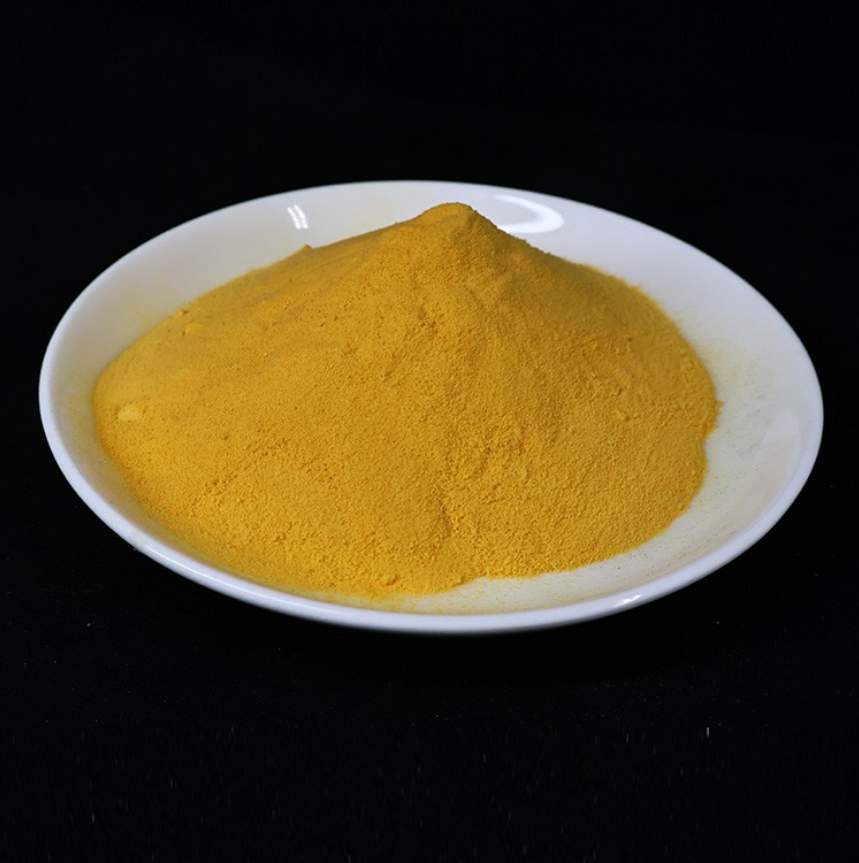
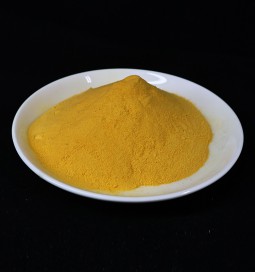
Polyaluminum Chloride is a high-efficiency inorganic polymer flocculant; it is a type of polynuclear hydroxy complex produced through the hydrolysis and polymerization of aluminum salts. In terms of appearance, PAC typically presents as either a yellow or pale yellow powder or a pale yellow transparent liquid. Compared to traditional aluminum salts (such as aluminum sulfate), PAC possesses higher charge density and stronger adsorption-bridging capabilities, resulting in superior efficiency during water treatment processes.
2. Core Mechanisms of Action
The widespread use of PAC stems primarily from its unique flocculation mechanism. During water treatment, PAC functions through the following three key steps:
(1) Charge Neutralization
Suspended particles in water usually carry a negative charge, causing them to repel one another and preventing natural sedimentation. Upon dissolution, PAC releases a large number of positively charged aluminum ions that rapidly neutralize these negative charges, destabilizing the particles.
(2) Adsorption-Bridging
The polynuclear aluminum hydroxy structures within PAC act like "bridges," connecting multiple tiny particles and causing them to aggregate into larger flocs. These flocs are more easily removed through sedimentation or filtration.
(3) Net-Catching and Sweeping
At higher dosage levels, PAC forms a significant amount of aluminum hydroxide precipitate. As this precipitate settles, it "captures" fine particles present in the water, further enhancing the purification effect.
3. Main Uses of Polyaluminum Chloride (PAC)
PAC has a very wide range of applications, covering almost all industrial sectors involving water treatment and solid-liquid separation.
(1) Municipal Drinking Water Treatment
One of PAC's most important applications is the purification of tap water.In water treatment plants, it is used to remove turbidity, suspended solids, and colloidal particles, as well as to reduce water color.
Compared to traditional coagulants, PAC requires lower dosages, reacts faster, and yields more stable effluent quality, making it a mainstream chemical agent in modern water treatment plants.
(2) Industrial Wastewater Treatment
Industrial production processes generate large volumes of wastewater containing suspended solids and organic pollutants.
PAC is widely used to treat wastewater from electroplating, papermaking, printing and dyeing, chemical manufacturing, and metallurgy. It functions by aggregating pollutants into flocs, thereby enabling solid-liquid separation.
(3) Papermaking Industry Applications
In the papermaking process, PAC is primarily used to control pulp turbidity, enhance paper whiteness and strength, and accelerate wastewater sedimentation; it effectively boosts production efficiency while reducing pollution emissions.
(4) Printing, Dyeing, and Textile Industries
Wastewater from printing and dyeing is typically characterized by high color intensity, high COD, and low biodegradability. PAC effectively removes dye molecules and suspended particles, making the wastewater easier to process further.
(5) Mining and Mineral Processing Industries
During ore processing, PAC is used for tailings water clarification, mineral slurry separation, and increasing recovery rates; it is particularly widely applied in metal mining and coal processing systems.
(6) Oilfield and Petrochemical Industries
PAC is used for treating oily wastewater, purifying drilling waste fluids, and pretreating sewage prior to reinjection, removing oil droplets and suspended particles through flocculation.
(7) Food Processing Industry
In certain compliant applications—such as fruit juice clarification, sugar solution purification, and food processing wastewater treatment—PAC is used, subject to strict food-grade standards.
(8) Municipal Sewage Treatment
In municipal sewage treatment plants, PAC is frequently used for enhanced flocculation in primary sedimentation tanks, sludge dewatering, and improving sedimentation efficiency, thereby significantly increasing the system's treatment capacity.
4. Advantages of PAC over traditional flocculants
PAC offers significant advantages over traditional products like aluminum sulfate: faster flocculation, a wider effective pH range, lower dosage requirements, reduced sludge generation, and clearer effluent. Consequently, it has increasingly become the mainstream choice for industrial water treatment.
5. Key factors affecting PAC performance
(1) Water pH: PAC typically performs best within a pH range of 5–9.
(2) Water temperature: Low temperatures reduce reaction rates, yet PAC still outperforms traditional agents.
(3) Turbidity and pollutant type: Different pollutants require varying dosage levels.
(4) Dosing method: Uniform dosing facilitates the formation of larger flocs.
(5) Mixing conditions: Proper mixing enhances flocculation, whereas excessive mixing can disrupt floc structure.
6. Industrial production process of PAC
PAC production typically involves: dissolution of the aluminum source, hydrolysis, polymerization, aging, and either drying or liquid formulation. The production process directly influences the product's basicity, stability, and flocculation capacity.
7. Environmental significance of PAC
PAC plays a vital role in environmental protection by reducing industrial wastewater discharge, improving water recycling rates, curbing the spread of chemical pollutants, and supporting green industrial development. As global environmental standards rise, the demand for PAC continues to grow.
8. Global market trends
In recent years, the PAC market has shown steady growth driven by factors such as accelerated urbanization, increased industrial wastewater discharge, stricter drinking water standards, and more rigorous environmental policies. Infrastructure development, particularly in Asia, Africa, and the Middle East, is fueling rapid demand growth.
Future industry trends include: rising demand for high-purity PAC, faster growth in liquid PAC usage, an increase in customized products, and the widespread adoption of green production processes.
9. How to select high-quality PAC
When selecting PAC, enterprises should consider: effective alumina content, basicity, insoluble matter content, product stability, and the manufacturer's production qualifications. High-quality PAC not only improves treatment performance but also lowers overall operating costs.
In summary, as a core chemical in modern water treatment, PAC has become an indispensable material for both industrial and municipal water treatment, thanks to its high flocculation efficiency, broad applicability, and cost-effectiveness. From drinking water purification to industrial wastewater treatment, and across sectors ranging from papermaking and textile dyeing to mining and petrochemicals, PAC is providing stable, high-efficiency solutions for global water resource management. As environmental protection technologies continue to advance, PAC will evolve toward higher purity, lower energy consumption, and greener production, playing an increasingly vital role in the global water treatment market.

 E-mail:jcl@jichanglong.com
 WhatsApp:+8618560709619
 Address:Block B, Polymer Materials Industry Innovation Park,No. 51, Lutai Avenue, High-tech Zone, Zibo City, Shandong Province