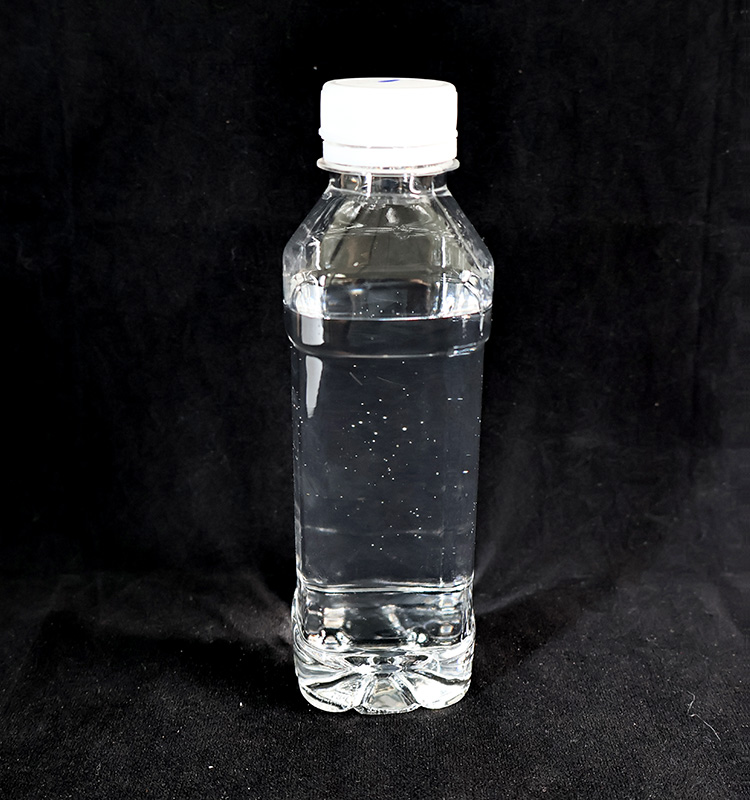


Usage and Performance
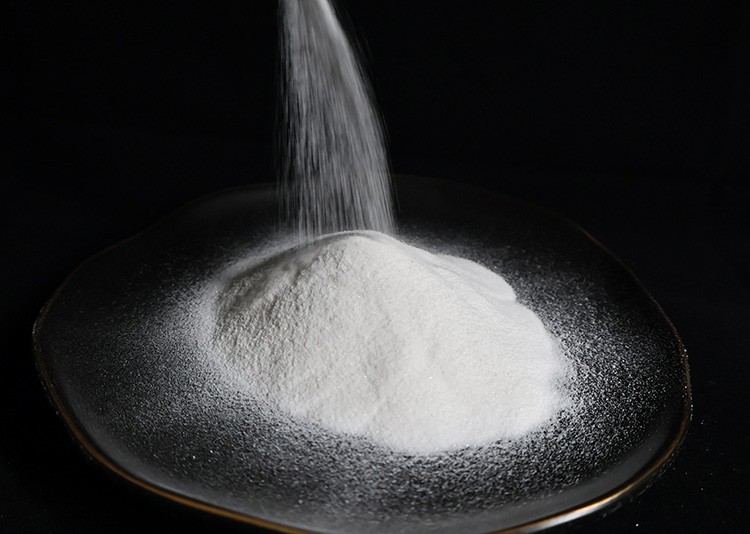
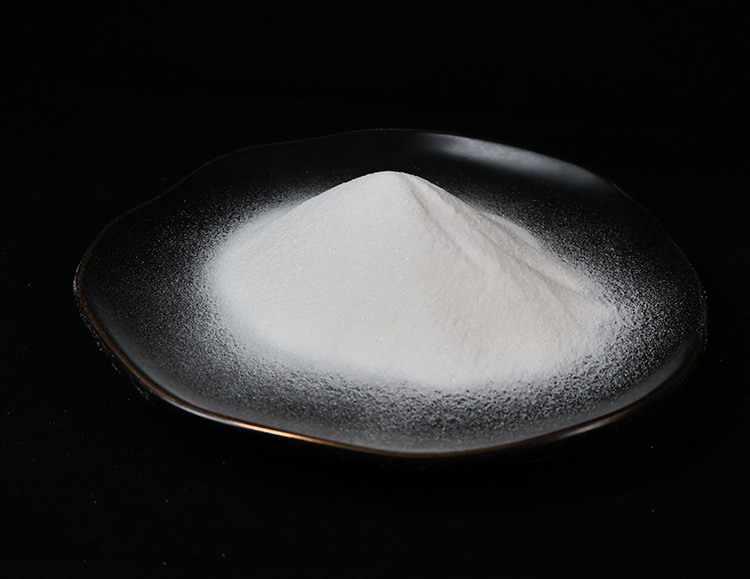
COD degrading bacteria can degrade various organic compounds and can be applied to the treatment of various industrial wastewater.of which Microorganisms can decompose fatty acids, surfactants, hydrocarbons, phenolic compounds, ketones, and Various organic compounds that are not easily decomposed.
Instructions for use
Our company's technical engineers provide a proposal.
Select equipment or manual dosing according to customer requirements, and prepare an on-site operation manual.
Storage and disposal
Please store the product in a dry place at room temperature. Avoid direct contact. Please wear gloves when using the product.
After using the product, thoroughly wash your hands with hot soapy water. Please avoid contact with the eyes.
Quality indicators
|
stability |
Under recommended conditions the storage period is 1 year |
|
Appearance |
Liquid type/solid powder type |
Introduction:Harnessing Microbial Power for Gentle Purification
In the intricate web of nature,microorganisms have long served as invisible stewards of balance,breaking down complex substances and restoring harmony to ecosystems.Drawing inspiration from this age-old biological process,microbial detoxifiers emerge as a innovative approach to address purification needs across diverse settings.Unlike harsh chemical alternatives that may disrupt natural systems,these products leverage the metabolic capabilities of carefully selected microbial strains to facilitate the breakdown of unwanted compounds,offering a sustainable and compatible solution for modern purification challenges.Whether applied in environmental management,agricultural practices,or industrial operations,microbial detoxifiers embody a synergy between scientific advancement and ecological responsibility,providing a way to address impurities without compromising long-term sustainability.
1.Key Characteristics of Microbial Detoxifier
Microbial detoxifiers are defined by a set of core characteristics that distinguish them from conventional purification methods,rooted in their biological nature and targeted functionality.
At the heart of these products lies a diverse consortium of beneficial microorganisms,including bacteria,fungi,and actinomycetes,each selected for their specific metabolic abilities.These microbial strains are chosen based on their capacity to degrade a wide range of organic and inorganic substances,such as hydrocarbons,pesticides,heavy metals,and organic waste byproducts.Unlike single-strain formulations,the multi-strain composition ensures complementary actions,allowing the product to adapt to varying environmental conditions and target multiple types of impurities simultaneously.Each strain is cultivated under controlled conditions to maintain viability,ensuring that upon application,they can quickly colonize the target environment and initiate the detoxification process.
Another defining characteristic is their biodegradable and eco-friendly nature.The microorganisms in the detoxifier are naturally occurring or modified through non-genetically modified organism(non-GMO)techniques,meaning they do not introduce harmful or persistent substances into the environment.Once their detoxification role is complete,the microbes either integrate into the existing microbial community or naturally diminish,leaving no residual pollutants.This stands in stark contrast to chemical detoxifiers,which often leave behind toxic byproducts or alter the chemical balance of the treated environment.
Additionally,microbial detoxifiers exhibit adaptability to diverse environmental conditions.They can function effectively across a range of temperatures,pH levels,and moisture conditions,making them suitable for application in various settings—from industrial wastewater treatment plants to agricultural soils and aquatic ecosystems.This adaptability is enhanced by the product’s formulation,which may include protective agents or nutrients that support microbial activity in challenging environments.Unlike some chemical treatments that require strict control of environmental parameters to be effective,microbial detoxifiers offer greater flexibility in real-world applications.
The detoxification process itself is targeted and gentle.Rather than causing harsh chemical reactions that may damage surrounding organisms or materials,the microorganisms metabolize impurities through biological pathways,converting them into harmless substances such as water,carbon dioxide,and biomass.This targeted action ensures that beneficial organisms,such as plants,aquatic life,or beneficial soil microbes,are not adversely affected,preserving the integrity of the ecosystem.For example,in agricultural settings,the detoxifier can break down pesticide residues in soil without harming earthworms or beneficial bacteria that support plant growth.
2.Advantages of Microbial Detoxifier
When compared to traditional chemical detoxification methods and other purification approaches,microbial detoxifiers offer a range of distinct advantages that align with the growing demand for sustainable and responsible solutions.
One of the most significant advantages is environmental safety.Chemical detoxifiers often contain harsh substances that can contaminate soil,water,and air,posing risks to human health,wildlife,and ecosystems.In contrast,microbial detoxifiers are non-toxic to humans,animals,and plants,making them safe for use in settings where contact with living organisms is likely—such as agricultural fields,residential areas,and aquatic environments.Their biodegradable nature also means they do not contribute to long-term pollution,reducing the environmental footprint of purification activities.
Another key advantage is sustained effectiveness.Chemical treatments may provide immediate results but often fail to address the root cause of contamination,leading to recurring issues.Microbial detoxifiers,on the other hand,establish a sustainable biological system that continues to degrade impurities over time.Once the microbes colonize the target environment,they can persist and reproduce,providing ongoing detoxification as new impurities are introduced.This sustained action is particularly valuable in settings such as industrial wastewater discharge points or agricultural lands where contamination is continuous.
Cost-effectiveness is also a notable benefit.While the initial investment in microbial detoxifiers may be comparable to or slightly higher than some chemical alternatives,the long-term savings are substantial.Chemical treatments often require repeated applications to maintain effectiveness,and they may incur additional costs associated with handling,storage,and disposal of hazardous materials.Microbial detoxifiers,however,require fewer applications due to their sustained action,and they eliminate the need for expensive safety measures and waste disposal protocols.Additionally,in agricultural and environmental settings,they can reduce the need for other costly interventions,such as soil remediation or water treatment systems.
Microbial detoxifiers also offer versatility in application.Unlike specialized chemical treatments that are designed for a single type of impurity or environment,these products can be tailored to address a wide range of contaminants across diverse settings.From breaking down oil spills in marine environments to degrading pesticide residues in soil and reducing organic load in industrial wastewater,microbial detoxifiers provide a flexible solution that can be adapted to specific purification needs.This versatility eliminates the need for multiple products,simplifying the purification process and reducing logistical complexity.
Furthermore,microbial detoxifiers support ecological restoration.In contaminated environments,such as polluted soils or damaged aquatic ecosystems,chemical treatments can further disrupt the natural balance,hindering recovery.Microbial detoxifiers,however,work in harmony with nature,helping to restore the natural microbial community and enhance ecosystem functionality.For example,in soil contaminated by industrial waste,the detoxifier can degrade harmful substances while promoting the growth of beneficial microbes,improving soil fertility and supporting plant re-establishment.In aquatic environments,it can reduce organic pollution,improving water clarity and supporting the return of aquatic life.
3.Application Areas of Microbial Detoxifier
The versatility and effectiveness of microbial detoxifiers make them suitable for a wide range of application areas,addressing purification needs in environmental,agricultural,industrial,and residential settings.The following table provides a detailed overview of key application fields,including target contaminants,application methods,and expected outcomes:
|
Application Area |
Target Contaminants |
Application Methods |
Expected Outcomes |
|
Agricultural Soils |
Pesticide residues, herbicide residues, organic waste, heavy metal bioavailability |
Soil drenching, seed coating, incorporation during tillage, foliar spray |
Reduced levels of harmful residues; improved soil microbial activity and fertility; enhanced plant growth and resistance to stress; reduced risk of contaminant transfer to crops and groundwater |
|
Industrial Wastewater Treatment |
Organic pollutants (e.g., hydrocarbons, dyes, solvents), ammonia, nitrates, phosphates |
Addition to aeration tanks, bioreactors, or wastewater holding ponds; dosage adjusted based on pollutant concentration and flow rate |
Lower chemical oxygen demand (COD) and biological oxygen demand (BOD); reduced levels of targeted pollutants; improved water quality meeting discharge standards; reduced reliance on chemical coagulants and disinfectants |
|
Aquatic Ecosystems (Lakes, Rivers, Ponds) |
Organic sludge, algae blooms (caused by nutrient overload), pesticide runoff, fish waste |
Broadcast application via water surface or subsurface injection; periodic dosing based on water volume and contamination level |
Reduced organic sediment accumulation; improved water clarity; balanced nutrient levels; suppression of harmful algae growth; enhanced dissolved oxygen levels; support for aquatic biodiversity |
|
Oil and Chemical Spill Remediation |
Crude oil, petroleum products, synthetic chemicals, polycyclic aromatic hydrocarbons (PAHs) |
Direct application to contaminated soil or water; mixing with absorbent materials for surface spills; repeated dosing for severe contamination |
Accelerated breakdown of hydrocarbon and chemical contaminants; reduced toxicity of spill-affected areas; minimized spread of pollutants; faster ecological recovery compared to natural attenuation |
|
Residential and Commercial Landscaping |
Pet waste, food waste, organic debris, pesticide residues from lawn care |
Soil application around plants, incorporation into compost piles, surface spreading on lawns and gardens |
Decreased odor from organic waste decomposition; improved soil health and drainage; reduced risk of nutrient leaching; healthier plant growth; safer outdoor environments for humans and pets |
|
Livestock and Poultry Farming |
Manure waste, ammonia emissions, organic pollutants from feed and bedding |
Addition to manure storage facilities, compost heaps, or barn flooring; mixing with litter materials |
Reduced ammonia and odor emissions; accelerated manure decomposition; improved compost quality for agricultural use; minimized contamination of soil and water from manure runoff |
|
Mining and Industrial Site Remediation |
Heavy metals (e.g., lead, cadmium, arsenic), cyanide, sulfide compounds, organic toxins |
Soil amendment during remediation projects; injection into contaminated groundwater plumes; combination with soil washing techniques |
Reduced bioavailability of heavy metals (making them less harmful to organisms); breakdown of toxic industrial byproducts; improved soil and water quality for site reclamation or redevelopment |
4.Conclusion:Embrace a Natural Approach to Purification
In a world increasingly focused on sustainability and environmental stewardship,microbial detoxifiers offer a compelling alternative to traditional purification methods.By harnessing the power of nature’s own microorganisms,these products provide a safe,effective,and sustainable way to address contaminants across diverse settings—from agricultural fields and industrial facilities to residential landscapes and natural ecosystems.Their unique combination of environmental safety,sustained effectiveness,versatility,and cost-efficiency makes them a valuable tool for anyone seeking to reduce their environmental impact while achieving reliable purification results.
Whether you are a farmer looking to improve soil health and crop safety,an industrial operator aiming to meet environmental regulations,a homeowner seeking a safer way to maintain your landscape,or an environmental professional working on remediation projects,microbial detoxifiers can be tailored to meet your specific needs.Our team of experts is dedicated to providing personalized guidance on product selection,application methods,and dosage to ensure optimal results for your unique situation.
If you are interested in learning more about how microbial detoxifiers can benefit your operation or project,or if you would like to discuss customized solutions,we encourage you to reach out to us.Let us help you embrace a natural,sustainable approach to purification that protects both your interests and the environment for future generations.Contact us today to start your journey toward cleaner,healthier,and more sustainable surroundings.

 E-mail:jcl@jichanglong.com
 WhatsApp:+8618560709619
 Address:Block B, Polymer Materials Industry Innovation Park,No. 51, Lutai Avenue, High-tech Zone, Zibo City, Shandong Province
China vanadium inhibitors manufacturer Shandong Jichanglong Environmental Engineering Co., Ltd.
Jichanglong specializes in vanadium inhibitor , dehumidification and drying block, calcium hypochlorite disinfectant tablets, polyacrylamide and other products. With over 20 years of experience, we offer quality assurance and wholesale prices.



