

Understanding Microbial Detoxifying Agents
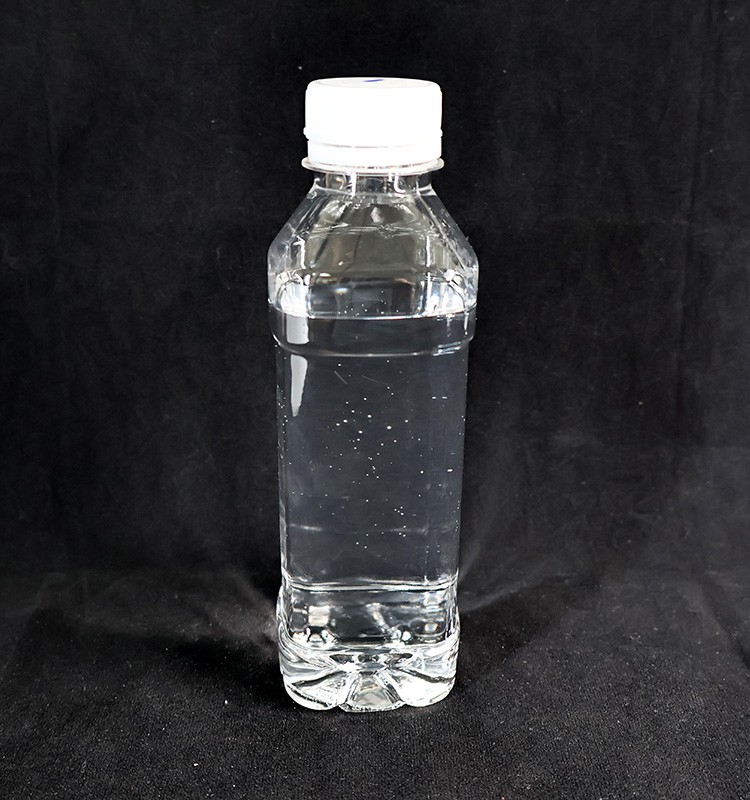
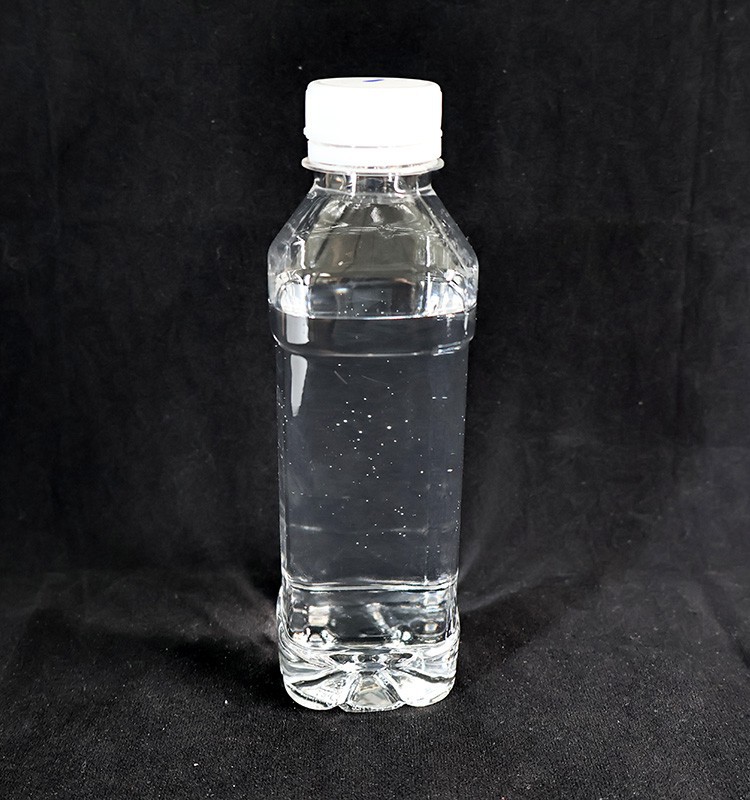
A Microbial Detoxifying Agent(MDA)is a formulated product composed of selectively cultivated,non-pathogenic microorganisms,along with their supporting enzymes and nutrients.These microbial consortia are chosen for their inherent metabolic abilities to break down,transform,or sequester a wide array of harmful substances.Unlike chemical neutralizers that may simply bind toxins or alter their state temporarily,these microbes engage in a process of biodegradation and biotransformation,fundamentally altering the molecular structure of pollutants and converting them into less harmful,often innocuous,end products such as water,carbon dioxide,and organic biomass.
The principle is rooted in the concept of bioremediation—using living organisms to clean up contaminated sites.MDAs can be seen as an enhanced and targeted application of this principle,where specific microbial strains are combined to create a synergistic effect,capable of addressing complex contamination scenarios more reliably than might occur through natural processes alone.
The Core Mechanisms of Action
The detoxification process facilitated by these microbial agents is multifaceted,typically involving several concurrent mechanisms:
Enzymatic Degradation:This is the primary mode of action.Microbes produce specific intracellular or extracellular enzymes that act as biological catalysts.These enzymes target the chemical bonds within toxin molecules.For instance,certain fungi produce lignin-degrading enzymes(e.g.,laccases,peroxidases)that are also highly effective against a broad spectrum of complex organic pollutants,including pesticides and mycotoxins.Bacteria may possess enzyme systems that can metabolize heavy metals,transforming them from a more bioavailable,toxic state to a less available,inert one.
Bioabsorption and Bioaccumulation:Some microbial strains have the capacity to bind toxins to their cell walls(bioabsorption)or actively transport and accumulate them inside their cell bodies(bioaccumulation).This process is particularly relevant for heavy metals,effectively removing them from the immediate environment and concentrating them within the microbial biomass,which can then be collected and processed.
Co-metabolism:In many cases,microorganisms can break down a pollutant not by using it as a primary food source,but incidentally while metabolizing another compound.This co-metabolic process is crucial for dealing with stubborn,man-made chemicals that do not have natural,dedicated degradation pathways.
Microbial Competition and Exclusion:In applications like food safety and animal feed,certain MDAs work partly by out-competing toxin-producing molds and bacteria for resources and space.By establishing a robust,beneficial microbial community,they can help suppress the growth of undesirable organisms,thereby reducing the production of toxins at the source.
Key Components of a Formulated MDA
A well-designed MDA is more than just a collection of microbes.It is a balanced system that includes:
Microbial Consortia:A blend of different bacterial(e.g.,Bacillus,Pseudomonas,Lactobacillus species)and fungal(e.g.,Trichoderma,Saccharomyces species)strains.This diversity ensures functional stability and the ability to tackle multiple types of toxins under varying environmental conditions.
Enzymes:Supplemental enzymes like cellulases,proteases,and specific detoxifying enzymes may be included to initiate the breakdown process before microbial action takes over.
Nutrient Carriers and Stabilizers:The microbes are housed in a carrier substance that provides essential nutrients for their initial activation and protects them during storage and transport,ensuring their viability until application.
Applications of Microbial Detoxifying Agents
The versatility of MDAs allows for their application across a wide range of fields.The following table outlines some of the primary areas where their use is being actively developed and implemented.
|
Field of Application |
Method of Application |
Target Contaminants & Potential Benefits |
|
Agriculture & Soil Health |
Mixed with irrigation water, applied directly to soil, or used as a seed coating. |
Pesticide residues, herbicide carryover, toxic organic compounds. May help in improving soil microbiome health, which can support nutrient cycling and enhance plant resilience. |
|
Animal Feed & Husbandry |
Sprayed on feed ingredients or mixed directly into formulated feed and silage. |
Mycotoxins (e.g., aflatoxin, deoxynivalenol, zearalenone), pathogenic bacteria. May contribute to supporting animal gut health and immune function by reducing the toxic load ingested. |
|
Food Processing & Safety |
Applied as a wash or spray on post-harvest crops, fruits, vegetables, and grains. |
Pesticide residues on produce, mycotoxins in stored grains, and microbial contaminants. Could be part of a strategy to improve the safety profile of raw agricultural commodities. |
|
Environmental Remediation |
Introduced into contaminated sites through injection wells, land application, or in bioreactor systems for wastewater and sludge. |
Petroleum hydrocarbons (oil spills), heavy metals, industrial chemicals (e.g., solvents, polychlorinated biphenyls), and landfill leachates. Aims to accelerate the natural cleanup of soil and water bodies. |
|
Aquaculture |
Added directly to pond water or mixed into aquafeeds. |
Ammonia, nitrites, hydrogen sulfide, and organic waste buildup. May help in maintaining better water quality and supporting the health of aquatic species by mitigating stress from poor water conditions. |

 E-mail:jcl@jichanglong.com
 WhatsApp:+8618560709619
 Address:Block B, Polymer Materials Industry Innovation Park,No. 51, Lutai Avenue, High-tech Zone, Zibo City, Shandong Province
China vanadium inhibitors manufacturer Shandong Jichanglong Environmental Engineering Co., Ltd.
Jichanglong specializes in vanadium inhibitor , dehumidification and drying block, calcium hypochlorite disinfectant tablets, polyacrylamide and other products. With over 20 years of experience, we offer quality assurance and wholesale prices.



