

Applications and Performance
This product is a highly efficient compound reagent,widely used in purification facilities such as clarifiers and thickeners for turbidity removal,fluoride removal,and phosphorus removal in various mineral processing water treatment processes.
Main Features
It forms stable complexes with suspended solids,F-,phosphorus,etc.,and adsorbs and co-precipitates these complexes.
It has strong adsorption capacity and its purification effect is superior to other reagents.
It requires a small dosage and is inexpensive.It is simple to use and easy to operate.
It has strong adaptability.It is highly adaptable to various raw water sources and is suitable for pH valuesof 4-11.Regardless of the turbidity of the raw water or the concentration of pollutants in the wastewater,its purification effect is significant.
Instructions for Use
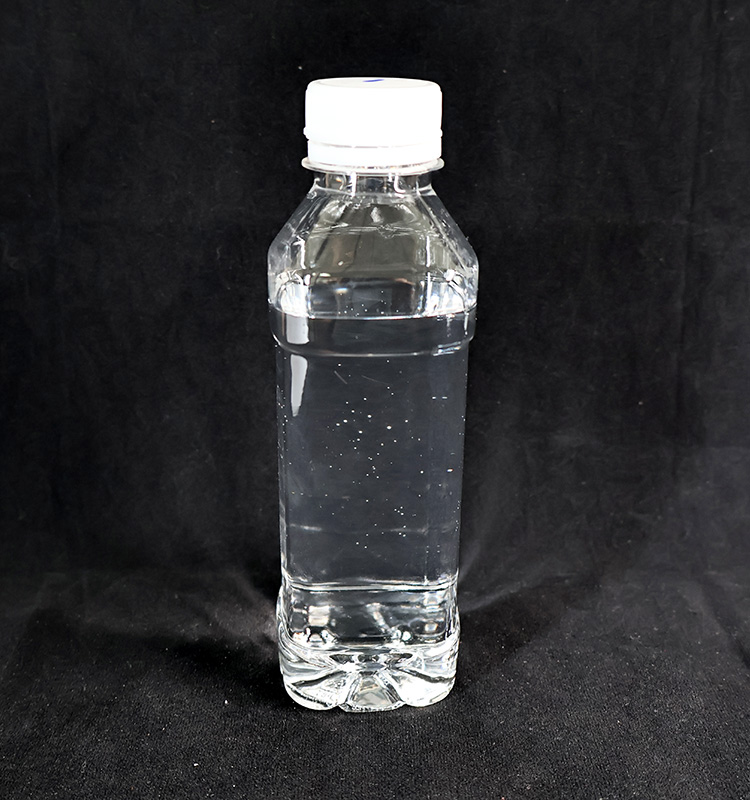
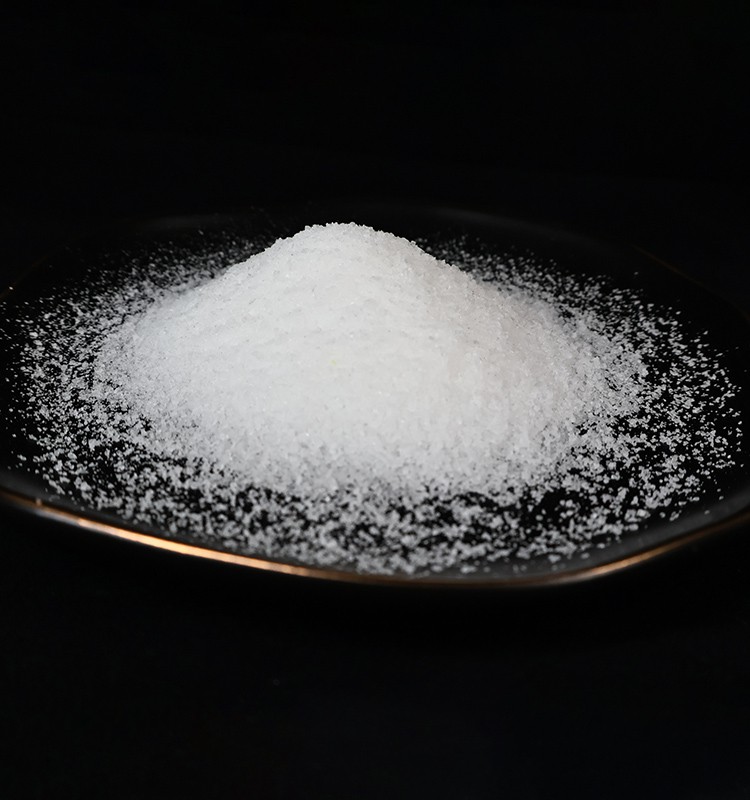
The water purification agent(liquid)is added directly to the reagent tank.The water purification agent(solid)is added after dissolving,via a metering pump into the mixing tank of wastewater and reagent.The general concentration of the reagent used is 10-1000 g/m³.The dosage should be initially determined based on laboratory tests and adjusted during actual use.
Packaging,Transportation,and Storage:
Liquid products are sealed in plastic drums,and solid products are packaged in plastic bags.Three specifications are available:net content per drum is 25kg,200kg,and 1000kg respectively;or packaging can be customized according to customer requirements.
Transportation is by road or rail.Customers may choose self-pickup or door-to-door delivery as per the contract.Handle with care during transportation,avoiding exposure to sunlight and rain,and preventing inversion.
Products should be stored in a cool,dry warehouse.The product shelf life is 12 months.
Quality indicators
|
project |
Indicators |
|
Appearance |
liquid |
|
pH (1% aqueous solution) |
≥2.0 |
|
Density (25℃, g/cm3) |
≥1.1 |
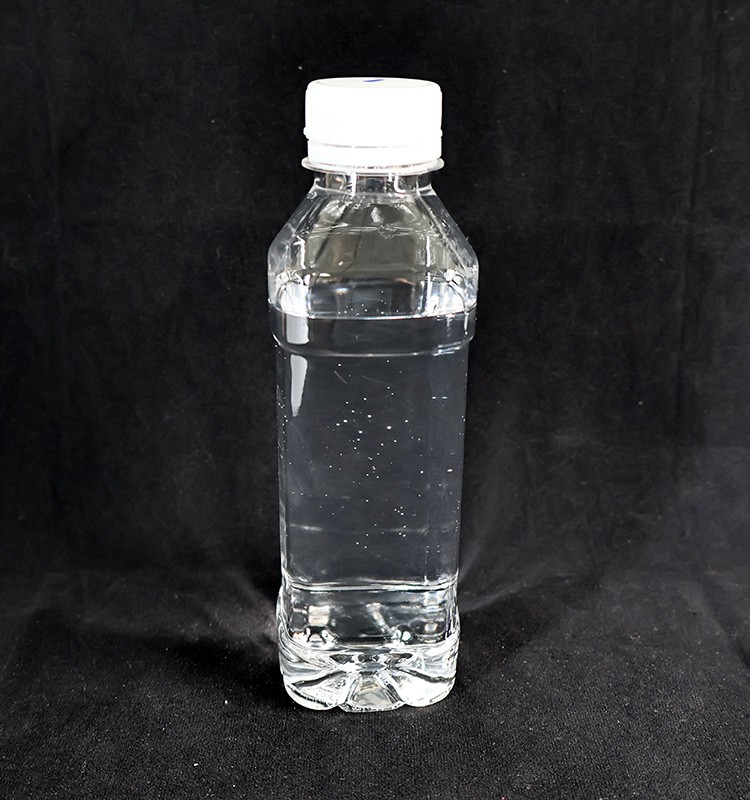
In the process of mineral resource development, the efficient treatment of mineral processing wastewater is directly related to environmental protection, cost control, and water resource recycling. As a core technology in this field, special water purification agent for mineral processing waters can effectively remove suspended solids, heavy metal ions, and organic pollutants from wastewater through their unique chemical reactions, meeting increasingly stringent environmental requirements and achieving water resource reuse.
1、 The Key Role and Advantages of Special Water Purification Agent for mineral processing waters in Mineral Processing Water Treatment
Improving sedimentation efficiency and ensuring return water quality: Mineral processing wastewater contains a large amount of fine mineral particles and chemicals, and traditional natural sedimentation takes an extremely long time. The combination of PAC and PAM can cause these fine particles to form visible coarse flocs within a few minutes and quickly settle, significantly reducing the turbidity of the effluent. The purified clean water can be directly reused in the beneficiation process, achieving the recycling of water resources and reducing the consumption of new water and the discharge of wastewater.
Deep removal of heavy metals and control of environmental risks: Mineral processing wastewater often contains soluble heavy metal ions such as lead, cadmium, mercury, and hexavalent chromium, which pose a great threat to the environment. PAC can effectively reduce the concentration of these heavy metal ions through adsorption, co precipitation, and other methods. Technical data shows that high-quality PAC products can control lead (Pb) content below 0.001% and have significant removal effects on heavy metals. This is crucial for protecting the surrounding water and soil environment and meeting environmental regulations such as the Water Pollution Prevention and Control Action Plan.
Implementing quality separation and reuse to reduce overall costs: Water treated with water purification agents can be reused in different stages of the mineral processing process, such as grinding, flotation, cooling, etc., depending on the water quality. This "precise matching of demand" processing mode avoids the cost waste caused by excessive processing and reduces the water and sewage costs of the beneficiation plant from the source.
2、 Technical principles and mechanisms of action
Chelation precipitation technology: Taking the HD-SS-XX series high-efficiency water purification agent as an example, its core component contains a large number of polar groups (such as sulfur atoms), which are negatively charged and easily polarized, and can capture cations (such as Cu ² ⁺, Pb ² ⁺, Zn ² ⁺, etc.) in wastewater, generating insoluble chelating salts. This type of chelating salt molecule has a highly cross-linked three-dimensional structure, with a molecular weight of millions or even tens of millions, and excellent settling performance. For example, after adopting this technology in a lithium mining plant, the suspended solids content in wastewater decreased from 1200ppm to below 50ppm, and the heavy metal removal rate exceeded 95%.
Flocculation and sedimentation technology: Polyaluminum chloride (PAC), as a typical inorganic polymer flocculant, has a molecular formula of [Al ₂ (OH) ₙ Cl ₆₋ₙ] ₘ. Through electrostatic neutralization and adsorption bridging, it rapidly aggregates small suspended particles into large particle alum flowers. Experimental data shows that the formation time of alum flowers in wastewater treated with PAC is ≤ 2 minutes, and the settling speed reaches 0.8m/h, which is 40% higher than traditional aluminum sulfate.
Composite collaborative technology: Modern special water purification agent for mineral processing waters often use the "PAC+PAM" composite system. PAC is responsible for initial flocculation, while polyacrylamide (PAM) serves as a coagulant aid to enhance the stability of alum flowers through the entanglement of long-chain molecules. The practice of a certain iron ore beneficiation plant has shown that the composite system can reduce the moisture content of sludge from 98% to 82%, significantly reducing the subsequent dewatering cost.
3、 Principles for selecting water purification agents
Principle of adapting water quality characteristics: The composition of mineral processing wastewater is complex, and targeted reagents need to be selected based on water quality parameters such as turbidity, pH value, heavy metal types and concentrations, and residual flotation reagents. For example, inorganic coagulants such as polyaluminum chloride (PAC) should be preferred for high turbidity wastewater (turbidity>500NTU), as their electro neutralization and adsorption bridging effects can quickly reduce suspended solids; Wastewater containing heavy metals (such as copper and lead ions with a concentration greater than 10mg/L) requires the use of heavy metal collectors to achieve deep purification through chelation precipitation; Low temperature wastewater (water temperature<10 ℃) should be treated with low-temperature applicable agents such as polymeric ferric sulfate to avoid slow reaction of PAC at low temperatures.
Principle of process synergy: The selection of reagents should be deeply coordinated with existing treatment processes such as precipitation, filtration, and membrane separation. For example, when using the "PAC+medium powder loading clarification" process, the amount of PAC added can be reduced by 30%, and the residence time in the precipitation zone can be shortened to less than 4 minutes; If the subsequent membrane separation process is carried out, it is necessary to control the residual amount of chemicals (such as PAM concentration ≤ 0.3mg/L) to prevent membrane fouling; For the demand of recycled water, composite agents (such as PAC+PAM) can be used to remove suspended solids while improving sludge dewatering and reducing the impurity content of recycled water.
The principle of balancing economy and sustainability requires a comprehensive evaluation of drug costs, treatment efficiency, and environmental impact. Inorganic flocculants (such as PAC) have a low unit price (about 800 yuan/ton), but have a large sludge production (0.5-1.2kg of sludge per ton of water), and high subsequent disposal costs; Organic flocculants (such as PAM) are used in small quantities (0.1-0.3mg/L), but have a high unit price (about 12000 yuan/ton), requiring precise dosing to control costs; Although plant-based flocculants and other green products have excellent biodegradability, their current cost is relatively high (about 20000 yuan/ton), making them suitable for scenarios with strict environmental requirements. In long-term operation, composite agents can reduce overall costs by combining multiple effects.
Principle of safety and compliance assurance: The chemicals must comply with national and local environmental standards (such as the Comprehensive Wastewater Discharge Standard GB8978-1996) to avoid introducing secondary pollution. For example, chlorine containing flocculants may produce residual chlorine, which requires a corresponding dechlorination process; Heavy metal collectors need to ensure the stability of chelated products to prevent heavy metals from re dissolving; The storage and use process must strictly follow safety regulations, such as moisture-proof storage for PAC solid products, and on-site preparation and use of PAM solutions to avoid fish eye phenomenon caused by high concentration. At the same time, priority should be given to pharmaceutical suppliers that have obtained ISO 14001 environmental management system certification to reduce compliance risks.
Special water purification agent for mineral processing waters, especially polyaluminum chloride and polyacrylamide, have become indispensable technical components for green development of mineral resources. Facing the future, mineral processing enterprises can achieve maximum utilization of water resources and continuous improvement of economic benefits by cooperating with professional water purification material suppliers and technical service providers, accurately selecting and using water purification agents based on their own water quality characteristics, and paying attention to cutting-edge trends such as composite agents, biodegradable agents, and processes coupled with membrane technology, while strictly adhering to the bottom line of environmental protection.
In the process of mineral resource development, the efficient treatment of mineral processing wastewater is directly related to environmental protection, cost control, and water resource recycling. As a core technology in this field, special water purification agent for mineral processing waters can effectively remove suspended solids, heavy metal ions, and organic pollutants from wastewater through their unique chemical reactions, meeting increasingly stringent environmental requirements and achieving water resource reuse.
1、 The Key Role and Advantages of Special Water Purification Agent for mineral processing waters in Mineral Processing Water Treatment
Improving sedimentation efficiency and ensuring return water quality: Mineral processing wastewater contains a large amount of fine mineral particles and chemicals, and traditional natural sedimentation takes an extremely long time. The combination of PAC and PAM can cause these fine particles to form visible coarse flocs within a few minutes and quickly settle, significantly reducing the turbidity of the effluent. The purified clean water can be directly reused in the beneficiation process, achieving the recycling of water resources and reducing the consumption of new water and the discharge of wastewater.
Deep removal of heavy metals and control of environmental risks: Mineral processing wastewater often contains soluble heavy metal ions such as lead, cadmium, mercury, and hexavalent chromium, which pose a great threat to the environment. PAC can effectively reduce the concentration of these heavy metal ions through adsorption, co precipitation, and other methods. Technical data shows that high-quality PAC products can control lead (Pb) content below 0.001% and have significant removal effects on heavy metals. This is crucial for protecting the surrounding water and soil environment and meeting environmental regulations such as the Water Pollution Prevention and Control Action Plan.
Implementing quality separation and reuse to reduce overall costs: Water treated with water purification agents can be reused in different stages of the mineral processing process, such as grinding, flotation, cooling, etc., depending on the water quality. This "precise matching of demand" processing mode avoids the cost waste caused by excessive processing and reduces the water and sewage costs of the beneficiation plant from the source.
2、 Technical principles and mechanisms of action
Chelation precipitation technology: Taking the HD-SS-XX series high-efficiency water purification agent as an example, its core component contains a large number of polar groups (such as sulfur atoms), which are negatively charged and easily polarized, and can capture cations (such as Cu ² ⁺, Pb ² ⁺, Zn ² ⁺, etc.) in wastewater, generating insoluble chelating salts. This type of chelating salt molecule has a highly cross-linked three-dimensional structure, with a molecular weight of millions or even tens of millions, and excellent settling performance. For example, after adopting this technology in a lithium mining plant, the suspended solids content in wastewater decreased from 1200ppm to below 50ppm, and the heavy metal removal rate exceeded 95%.
Flocculation and sedimentation technology: Polyaluminum chloride (PAC), as a typical inorganic polymer flocculant, has a molecular formula of [Al ₂ (OH) ₙ Cl ₆₋ₙ] ₘ. Through electrostatic neutralization and adsorption bridging, it rapidly aggregates small suspended particles into large particle alum flowers. Experimental data shows that the formation time of alum flowers in wastewater treated with PAC is ≤ 2 minutes, and the settling speed reaches 0.8m/h, which is 40% higher than traditional aluminum sulfate.
Composite collaborative technology: Modern special water purification agent for mineral processing waters often use the "PAC+PAM" composite system. PAC is responsible for initial flocculation, while polyacrylamide (PAM) serves as a coagulant aid to enhance the stability of alum flowers through the entanglement of long-chain molecules. The practice of a certain iron ore beneficiation plant has shown that the composite system can reduce the moisture content of sludge from 98% to 82%, significantly reducing the subsequent dewatering cost.
3、 Principles for selecting water purification agents
Principle of adapting water quality characteristics: The composition of mineral processing wastewater is complex, and targeted reagents need to be selected based on water quality parameters such as turbidity, pH value, heavy metal types and concentrations, and residual flotation reagents. For example, inorganic coagulants such as polyaluminum chloride (PAC) should be preferred for high turbidity wastewater (turbidity>500NTU), as their electro neutralization and adsorption bridging effects can quickly reduce suspended solids; Wastewater containing heavy metals (such as copper and lead ions with a concentration greater than 10mg/L) requires the use of heavy metal collectors to achieve deep purification through chelation precipitation; Low temperature wastewater (water temperature<10 ℃) should be treated with low-temperature applicable agents such as polymeric ferric sulfate to avoid slow reaction of PAC at low temperatures.
Principle of process synergy: The selection of reagents should be deeply coordinated with existing treatment processes such as precipitation, filtration, and membrane separation. For example, when using the "PAC+medium powder loading clarification" process, the amount of PAC added can be reduced by 30%, and the residence time in the precipitation zone can be shortened to less than 4 minutes; If the subsequent membrane separation process is carried out, it is necessary to control the residual amount of chemicals (such as PAM concentration ≤ 0.3mg/L) to prevent membrane fouling; For the demand of recycled water, composite agents (such as PAC+PAM) can be used to remove suspended solids while improving sludge dewatering and reducing the impurity content of recycled water.
The principle of balancing economy and sustainability requires a comprehensive evaluation of drug costs, treatment efficiency, and environmental impact. Inorganic flocculants (such as PAC) have a low unit price (about 800 yuan/ton), but have a large sludge production (0.5-1.2kg of sludge per ton of water), and high subsequent disposal costs; Organic flocculants (such as PAM) are used in small quantities (0.1-0.3mg/L), but have a high unit price (about 12000 yuan/ton), requiring precise dosing to control costs; Although plant-based flocculants and other green products have excellent biodegradability, their current cost is relatively high (about 20000 yuan/ton), making them suitable for scenarios with strict environmental requirements. In long-term operation, composite agents can reduce overall costs by combining multiple effects.
Principle of safety and compliance assurance: The chemicals must comply with national and local environmental standards (such as the Comprehensive Wastewater Discharge Standard GB8978-1996) to avoid introducing secondary pollution. For example, chlorine containing flocculants may produce residual chlorine, which requires a corresponding dechlorination process; Heavy metal collectors need to ensure the stability of chelated products to prevent heavy metals from re dissolving; The storage and use process must strictly follow safety regulations, such as moisture-proof storage for PAC solid products, and on-site preparation and use of PAM solutions to avoid fish eye phenomenon caused by high concentration. At the same time, priority should be given to pharmaceutical suppliers that have obtained ISO 14001 environmental management system certification to reduce compliance risks.
Special water purification agent for mineral processing waters, especially polyaluminum chloride and polyacrylamide, have become indispensable technical components for green development of mineral resources. Facing the future, mineral processing enterprises can achieve maximum utilization of water resources and continuous improvement of economic benefits by cooperating with professional water purification material suppliers and technical service providers, accurately selecting and using water purification agents based on their own water quality characteristics, and paying attention to cutting-edge trends such as composite agents, biodegradable agents, and processes coupled with membrane technology, while strictly adhering to the bottom line of environmental protection.
In the process of mineral resource development, the efficient treatment of mineral processing wastewater is directly related to environmental protection, cost control, and water resource recycling. As a core technology in this field, special water purification agent for mineral processing waters can effectively remove suspended solids, heavy metal ions, and organic pollutants from wastewater through their unique chemical reactions, meeting increasingly stringent environmental requirements and achieving water resource reuse.
1、 The Key Role and Advantages of Special Water Purification Agent for mineral processing waters in Mineral Processing Water Treatment
Improving sedimentation efficiency and ensuring return water quality: Mineral processing wastewater contains a large amount of fine mineral particles and chemicals, and traditional natural sedimentation takes an extremely long time. The combination of PAC and PAM can cause these fine particles to form visible coarse flocs within a few minutes and quickly settle, significantly reducing the turbidity of the effluent. The purified clean water can be directly reused in the beneficiation process, achieving the recycling of water resources and reducing the consumption of new water and the discharge of wastewater.
Deep removal of heavy metals and control of environmental risks: Mineral processing wastewater often contains soluble heavy metal ions such as lead, cadmium, mercury, and hexavalent chromium, which pose a great threat to the environment. PAC can effectively reduce the concentration of these heavy metal ions through adsorption, co precipitation, and other methods. Technical data shows that high-quality PAC products can control lead (Pb) content below 0.001% and have significant removal effects on heavy metals. This is crucial for protecting the surrounding water and soil environment and meeting environmental regulations such as the Water Pollution Prevention and Control Action Plan.
Implementing quality separation and reuse to reduce overall costs: Water treated with water purification agents can be reused in different stages of the mineral processing process, such as grinding, flotation, cooling, etc., depending on the water quality. This "precise matching of demand" processing mode avoids the cost waste caused by excessive processing and reduces the water and sewage costs of the beneficiation plant from the source.
2、 Technical principles and mechanisms of action
Chelation precipitation technology: Taking the HD-SS-XX series high-efficiency water purification agent as an example, its core component contains a large number of polar groups (such as sulfur atoms), which are negatively charged and easily polarized, and can capture cations (such as Cu ² ⁺, Pb ² ⁺, Zn ² ⁺, etc.) in wastewater, generating insoluble chelating salts. This type of chelating salt molecule has a highly cross-linked three-dimensional structure, with a molecular weight of millions or even tens of millions, and excellent settling performance. For example, after adopting this technology in a lithium mining plant, the suspended solids content in wastewater decreased from 1200ppm to below 50ppm, and the heavy metal removal rate exceeded 95%.
Flocculation and sedimentation technology: Polyaluminum chloride (PAC), as a typical inorganic polymer flocculant, has a molecular formula of [Al ₂ (OH) ₙ Cl ₆₋ₙ] ₘ. Through electrostatic neutralization and adsorption bridging, it rapidly aggregates small suspended particles into large particle alum flowers. Experimental data shows that the formation time of alum flowers in wastewater treated with PAC is ≤ 2 minutes, and the settling speed reaches 0.8m/h, which is 40% higher than traditional aluminum sulfate.
Composite collaborative technology: Modern special water purification agent for mineral processing waters often use the "PAC+PAM" composite system. PAC is responsible for initial flocculation, while polyacrylamide (PAM) serves as a coagulant aid to enhance the stability of alum flowers through the entanglement of long-chain molecules. The practice of a certain iron ore beneficiation plant has shown that the composite system can reduce the moisture content of sludge from 98% to 82%, significantly reducing the subsequent dewatering cost.
3、 Principles for selecting water purification agents
Principle of adapting water quality characteristics: The composition of mineral processing wastewater is complex, and targeted reagents need to be selected based on water quality parameters such as turbidity, pH value, heavy metal types and concentrations, and residual flotation reagents. For example, inorganic coagulants such as polyaluminum chloride (PAC) should be preferred for high turbidity wastewater (turbidity>500NTU), as their electro neutralization and adsorption bridging effects can quickly reduce suspended solids; Wastewater containing heavy metals (such as copper and lead ions with a concentration greater than 10mg/L) requires the use of heavy metal collectors to achieve deep purification through chelation precipitation; Low temperature wastewater (water temperature<10 ℃) should be treated with low-temperature applicable agents such as polymeric ferric sulfate to avoid slow reaction of PAC at low temperatures.
Principle of process synergy: The selection of reagents should be deeply coordinated with existing treatment processes such as precipitation, filtration, and membrane separation. For example, when using the "PAC+medium powder loading clarification" process, the amount of PAC added can be reduced by 30%, and the residence time in the precipitation zone can be shortened to less than 4 minutes; If the subsequent membrane separation process is carried out, it is necessary to control the residual amount of chemicals (such as PAM concentration ≤ 0.3mg/L) to prevent membrane fouling; For the demand of recycled water, composite agents (such as PAC+PAM) can be used to remove suspended solids while improving sludge dewatering and reducing the impurity content of recycled water.
The principle of balancing economy and sustainability requires a comprehensive evaluation of drug costs, treatment efficiency, and environmental impact. Inorganic flocculants (such as PAC) have a low unit price (about 800 yuan/ton), but have a large sludge production (0.5-1.2kg of sludge per ton of water), and high subsequent disposal costs; Organic flocculants (such as PAM) are used in small quantities (0.1-0.3mg/L), but have a high unit price (about 12000 yuan/ton), requiring precise dosing to control costs; Although plant-based flocculants and other green products have excellent biodegradability, their current cost is relatively high (about 20000 yuan/ton), making them suitable for scenarios with strict environmental requirements. In long-term operation, composite agents can reduce overall costs by combining multiple effects.
Principle of safety and compliance assurance: The chemicals must comply with national and local environmental standards (such as the Comprehensive Wastewater Discharge Standard GB8978-1996) to avoid introducing secondary pollution. For example, chlorine containing flocculants may produce residual chlorine, which requires a corresponding dechlorination process; Heavy metal collectors need to ensure the stability of chelated products to prevent heavy metals from re dissolving; The storage and use process must strictly follow safety regulations, such as moisture-proof storage for PAC solid products, and on-site preparation and use of PAM solutions to avoid fish eye phenomenon caused by high concentration. At the same time, priority should be given to pharmaceutical suppliers that have obtained ISO 14001 environmental management system certification to reduce compliance risks.
Special water purification agent for mineral processing waters, especially polyaluminum chloride and polyacrylamide, have become indispensable technical components for green development of mineral resources. Facing the future, mineral processing enterprises can achieve maximum utilization of water resources and continuous improvement of economic benefits by cooperating with professional water purification material suppliers and technical service providers, accurately selecting and using water purification agents based on their own water quality characteristics, and paying attention to cutting-edge trends such as composite agents, biodegradable agents, and processes coupled with membrane technology, while strictly adhering to the bottom line of environmental protection.

 E-mail:jcl@jichanglong.com
 WhatsApp:+8618560709619
 Address:Block B, Polymer Materials Industry Innovation Park,No. 51, Lutai Avenue, High-tech Zone, Zibo City, Shandong Province
China vanadium inhibitors manufacturer Shandong Jichanglong Environmental Engineering Co., Ltd.
Jichanglong specializes in vanadium inhibitor , dehumidification and drying block, calcium hypochlorite disinfectant tablets, polyacrylamide and other products. With over 20 years of experience, we offer quality assurance and wholesale prices.



