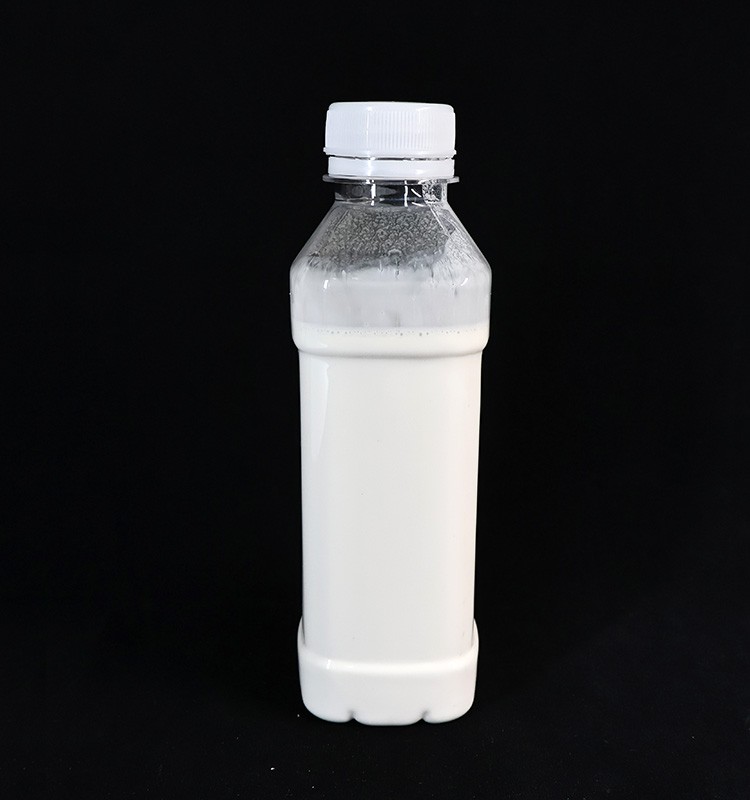


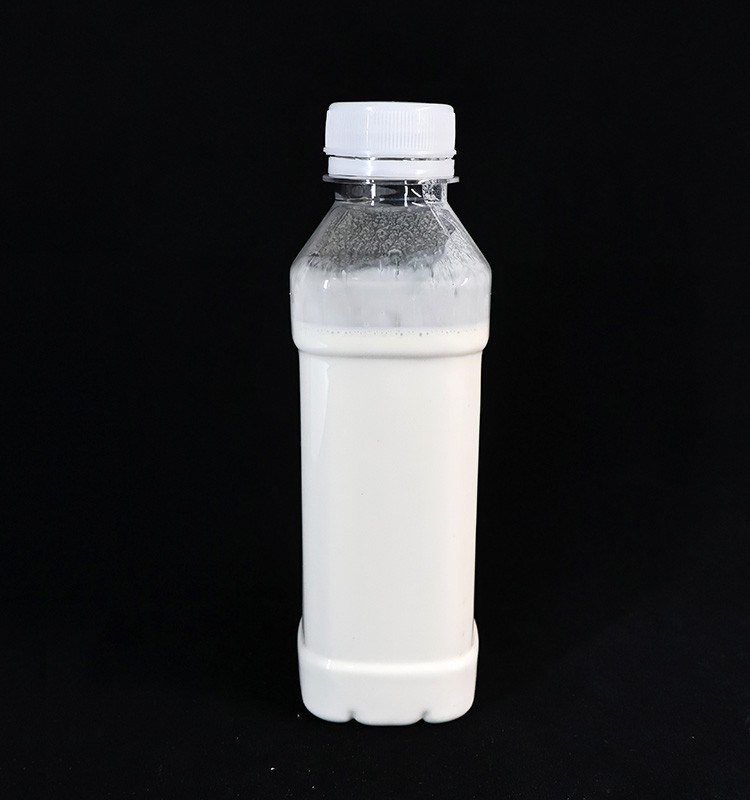
vanadium inhibitor for turbine turbines mainly include oil-soluble magnesium salt inhibitors,modified magnesium oxide-based vanadium inhibitors,and multifunctional composite inhibitors.These inhibitors reduce vanadium salt corrosion by adding inhibitors or modifiers.
1.Oil-soluble Magnesium Salt Inhibitors
By adding magnesium salt(such as magnesium oxide)inhibitors to fuel oil,vanadium pentoxide(VO₂)is inhibited from reacting with sodium at high temperatures to form low-melting-point sodium vanadium compounds,thereby reducing corrosion to the turbine blades.
2.Modified Magnesium Oxide-based vanadium inhibitor for turbine Inhibitors
The hydrolysis-resistant oil-soluble vanadium inhibitor developed by Foshan Tianchen Clean Energy uses surface-modified magnesium oxide(containing active carboxyl groups and alkyl chains)to improve dispersibility.It reacts with vanadium pentoxide to form high-melting-point vanadates,enhancing the corrosion resistance of the gas turbine.
3.Multifunctional Composite Inhibitors
The oil-soluble magnesium salt composite agent developed by Huaju New Product Research Institute combines acid neutralization,sulfur and nitrogen corrosion inhibition,and ash loosening functions,making it suitable for heavy oil combustion scenarios.4.Other Types
XY-vanadium inhibitor for turbine Inhibitor:Targets high-temperature corrosion of heavy oil,but specific components are not disclosed.
vanadium inhibitor for turbine turbines are technical measures that inhibit the corrosion of gas turbine blades by adding inhibitors such as magnesium salts.They primarily target the corrosion problem of vanadium pentoxide(V₂O₅)and its low-melting-point compounds formed with sodium during the combustion of vanadium-containing fuels(such as heavy oil and residual oil).Rare earth heavy oil vanadium inhibitor:Contains mixed rare earth oxides and magnesium oxide,suitable for high-temperature environments up to 1800℃.
I.Common Types
Oil-soluble magnesium salt vanadium inhibitors:Such as magnesium oxide(modified magnesium oxide)based products,which improve dispersibility through surface modification and enhance the reaction efficiency with vanadium.
Multifunctional vanadium inhibitors:Some products can simultaneously inhibit vanadium,sulfur,and nitrogen corrosion,and improve ash structure for easier removal.
II.Inhibition Principle
vanadium inhibitor for turbine inhibitors react with vanadium in combustion products to generate high-melting-point vanadates(such as magnesium vanadates),increasing the ash melting point and reducing its adhesion and corrosion on the blade surface.Simultaneously,some vanadium inhibitors also function as detergents and dispersants,reducing the corrosiveness of elements such as sulfur and nitrogen.
In the energy and shipping sectors powered by low-quality fuels such as heavy oil and residual oil,gas turbines(steam turbines)are the core equipment for achieving efficient energy conversion.However,these inexpensive fuels are a double-edged sword;the impurities they contain,such as vanadium,sodium,and sulfur,especially vanadium,pose a fatal threat to the expensive and structurally complex high-temperature turbine blades.vanadium inhibitor for turbine turbines are a key chemical solution developed to address this severe challenge.Their role goes far beyond simply being an"additive";they are a comprehensive technical means integrating core chemical protection,significant economic benefits,equipment performance maintenance,and environmental protection.
The most fundamental and direct function of vanadium inhibitor for turbine in breaking the destructive chain of vanadium corrosion through precise chemical reactions.To understand this,it is essential to first understand the mechanism of vanadium corrosion.
1.The Culprit of vanadium inhibitor for turbine Corrosion:Formation of Low-Melting-Point Molten Salts
When vanadium in heavy oil is burned,it mainly produces vanadium pentoxide(V₂O₅).V₂O₅itself has a melting point of approximately 675℃,which is lower than the operating temperature of turbine blades.Even more critically,when sodium(usually originating from crude oil or seawater pollution)is present in the fuel,the two react to form a series of sodium vanadate compounds(such as xNa₂O·yV₂O₅).These complex salts have extremely low melting points,generally ranging from 535°C to 900°C,which is far below the wall temperature of the first-stage blades and nozzles of modern high-performance gas turbines.
In high-temperature environments,these sodium vanadates exist as liquid molten salts,covering the surface of metal components and causing dual damage:
Dissolution corrosion(high-temperature thermal corrosion):Liquid vanadates are extremely strong oxidants and carriers of acidic oxides.They can rapidly dissolve and erode the protective alumina(Al₂O₃)or chromium oxide(Cr₂O₃)passivation film on the blade surface.Once this"armor"is destroyed,the base superalloy is directly exposed to a high-temperature oxidation and sulfidation environment,leading to rapid and irreversible corrosion thinning,forming pitting and microcracks,severely weakening the mechanical strength and lifespan of the blades.
Scale and deposit:The viscous liquid molten salt captures and binds other combustion products(such as iron oxide and sulfates),forming a hard,dense scale layer on the blade surface,cooling vents,and flow channels.This not only deteriorates aerodynamic performance,reducing turbine efficiency and output power,but also clogs precision cooling vents,causing localized overheating of the blades,further accelerating the corrosion process,creating a vicious cycle.3.The"Chemical Magic"of vanadium inhibitor for turbine Inhibitors:Turning Liquid into Solid,Turning Harm into Benefit
The core mechanism of vanadium inhibitor for turbine in precise chemical intervention targeting the aforementioned process.Currently,the most mainstream and effective vanadium inhibitors are based on magnesium-based compounds(such as oil-soluble magnesium naphthenate,magnesium sulfonate,or modified magnesium oxide).The principle can be summarized as"removing the fuel at the source":
During combustion,the vanadium inhibitor releases highly reactive magnesium oxide(MgO),which reacts chemically with the destructive V₂O₅to form high-melting-point magnesium vanadate,such as 3MgO·V₂O₅,with a melting point exceeding 1200℃.
This reaction achieves a decisive transformation:converting highly corrosive,low-melting-point liquid sodium vanadate into chemically stable,non-corrosive,high-melting-point solid magnesium vanadate particles.These solid particles lose their fluidity,cannot adhere to or penetrate the oxide film,and most are carried away by the high-temperature combustion gas flow.The small amount of loose residue is also easily removed through online cleaning.This fundamentally transforms the"corrosion culprit"into"harmless ash,"completely severing the chain of high-temperature vanadium corrosion.
The investment in vanadium inhibitors results in a classic example of"small investment,big return."Its economic benefits are reflected in two core dimensions:"increasing revenue"and"reducing costs."
1."Open Source"—Achieving Significant Fuel Cost Savings**
This allows power plants and ships to use heavy oil and residual oil,which are significantly cheaper than high-quality diesel and natural gas,as their primary fuel for extended periods.This is the most direct and substantial economic benefit of vanadium inhibitors.In the energy and shipping industries,where fuel costs account for 60%-70%of total operating costs,this advantage is crucial.It allows these low-quality,high-impurity fuels to be"turned into valuable resources"in high-end power equipment,greatly reducing the energy cost per unit of electricity generated or per unit of travel distance.
2."Cost Reduction"—Significantly Reducing Maintenance and Equipment Costs**
Extending overhaul cycles and equipment lifespan:Unprotected units,affected by vanadium corrosion,may require shutdown and cylinder opening after only a few thousand hours of operation for time-consuming and labor-intensive inspection,repair,or replacement of blades.With vanadium inhibitors,overhaul cycles can be extended to tens of thousands of hours.This not only saves millions or even tens of millions of yuan in maintenance and spare parts costs each time,but also minimizes power generation or operational losses caused by unplanned downtime.Avoiding Catastrophic Accidents:Turbine blades are extremely precise components,with very high manufacturing costs per blade.If corrosion fracture leads to a chain reaction of damage,such as a"runaway"accident,the resulting overall equipment destruction and production stoppage losses would be astronomical.vanadium inhibitor for turbine inhibitors,through effective corrosion prevention,provide the most fundamental safety guarantee for the entire power system,avoiding devastating economic risks.
Modern vanadium inhibitors,especially multi-functional composite products,have transcended the single function of vanadium inhibition.
1.Maintaining and Restoring Equipment Performance
Ensuring Aerodynamic Efficiency and Output Power:Clean turbine passages and blades are prerequisites for maintaining design efficiency.vanadium inhibitor for turbine inhibitors,by preventing the formation of hard,dense deposits,ensure the smoothness of airflow passages and the integrity of blade profiles,thereby stabilizing the unit's output and thermal efficiency.
Slowing Down Performance Decay:Units using vanadium inhibitor for turbine exhibit a smoother performance decay curve.Throughout the entire overhaul cycle,their average availability and average efficiency are significantly higher than unprotected units,achieving higher value output throughout their entire lifecycle.
2.Achieving Multifunctional Synergistic Protection
Acid Neutralization:**Magnesium-based vanadium inhibitors are alkaline,effectively neutralizing SO₃produced during combustion to form magnesium sulfate.This alleviates low-temperature sulfuric acid dew point corrosion on tail-end heating surfaces(such as economizers and air preheaters)and reduces the promoting effect of SO₃on vanadate formation,achieving a"two birds with one stone"effect.
Detergent Dispersant and Ash Modification:**Some advanced vanadium inhibitor for turbine contain detergent dispersants,which maintain the cleanliness of the fuel system and combustion chamber,promoting complete combustion.Simultaneously,they make the generated ash structure looser and more brittle,reducing adhesion and making it easier to remove through soot blowing or cleaning operations.
3.Contributing to Environmentally Friendly Operation
Indirect Emission Reduction:**By maintaining a clean combustion system and promoting complete combustion,it helps reduce emissions of unburned hydrocarbons and carbon monoxide caused by incomplete combustion.
vanadium inhibitor for turbine and sulfur fixation:The acid neutralization and vanadium inhibitor for turbine process essentially transforms gaseous and liquid acidic substances and corrosive vanadium compounds into stable inorganic solid salts,making subsequent ash treatment more concentrated and safer,and reducing potential environmental risks.
In the heavy oil power sector,vanadium inhibitor for turbine have evolved from an optional auxiliary product into an indispensable strategic technical element for ensuring the long-term,high-efficiency,safe,and economical operation of equipment.Although injected in small quantities,they bear the heavy responsibility of protecting the core power source and enhancing overall operational value.

 E-mail:jcl@jichanglong.com
 WhatsApp:+8618560709619
 Address:Block B, Polymer Materials Industry Innovation Park,No. 51, Lutai Avenue, High-tech Zone, Zibo City, Shandong Province
China vanadium inhibitors manufacturer Shandong Jichanglong Environmental Engineering Co., Ltd.
Jichanglong specializes in vanadium inhibitor , dehumidification and drying block, calcium hypochlorite disinfectant tablets, polyacrylamide and other products. With over 20 years of experience, we offer quality assurance and wholesale prices.



