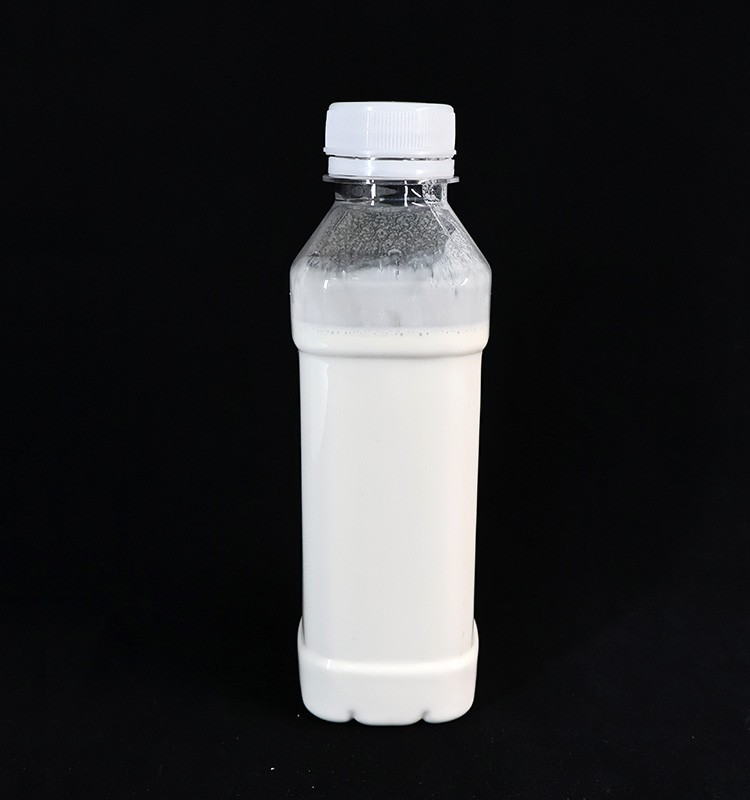


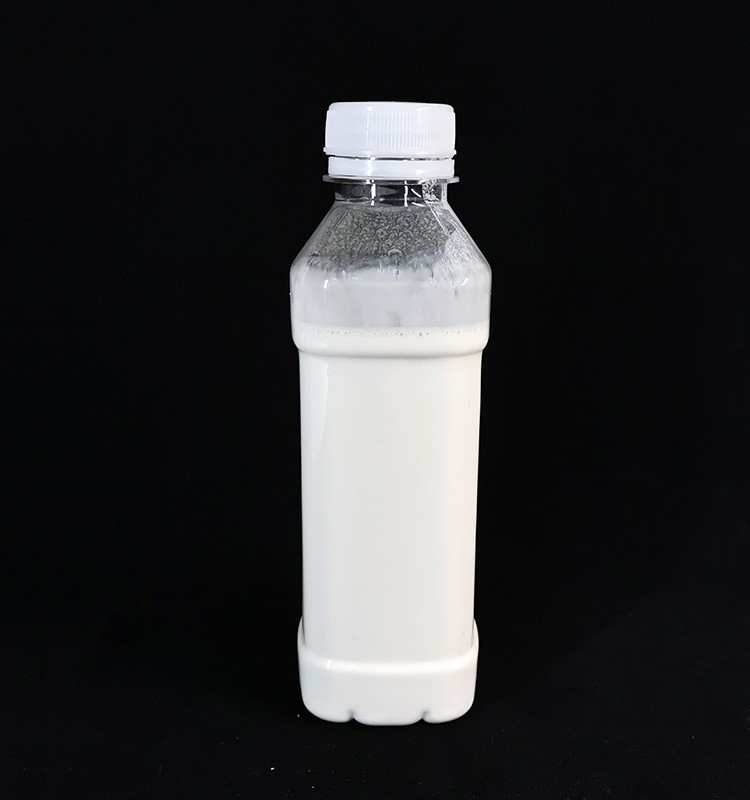
vanadium inhibitor for FCC(fluid catalytic cracking) are chemical additives added to fluidized bed catalytic cracking(FCC)units.Their main function is to neutralize or passivate the destructive effects of vanadium contained in the feedstock(usually heavy,low-quality crude oil)on the FCC catalyst.Simply put,it's like putting a"bulletproof vest"on the FCC catalyst,specifically designed to protect it from vanadium metal attacks.
I.Principle of vanadium inhibitor for FCC(fluid catalytic cracking)
In the petroleum refining industry,fluidized bed catalytic cracking is a key technology that converts heavy oil into high-value-added light oil products.However,the presence of heavy metals such as vanadium in the feedstock poses a serious challenge to the catalytic cracking process.Vanadium severely poisons the catalyst,leading to decreased activity and poor selectivity,which in turn affects the overall operating efficiency and product quality of the catalytic cracking unit.To address this problem,vanadium inhibitors have emerged,and their working principle mainly involves the following aspects:
1.Preventing Vanadium Migration to Molecular Sieves
In the fluidized bed catalytic cracking process,vanadium in the feedstock exists in the form of organometallic compounds.Under high temperature and reaction conditions,these compounds decompose to form vanadium oxide.In the regenerator,vanadium oxide undergoes a further valence state transformation,existing in the form of higher valence vanadium,such as V₂O₅.V₂O₅has strong migration properties;it migrates to the surface and interior of the molecular sieve along with the circulating flow of regeneration flue gas or catalyst.Once V₂O₅enters the molecular sieve structure,it reacts with certain cations(such as aluminum and rare earth elements)within the sieve,disrupting its crystal structure.This leads to a decrease in specific surface area and porosity,significantly reducing catalyst activity.
One function of vanadium inhibitor for FCC(fluid catalytic cracking) is to prevent vanadium migration into the molecular sieve.For example,some liquid La-series vanadium passivators can react chemically with vanadic acid to form stable compounds.These compounds are firmly adsorbed onto the catalyst matrix surface,forming a protective film that prevents vanadic acid from further diffusing into the molecular sieve channels.This acts like a"protective suit"for the molecular sieve,effectively protecting its crystal structure from damage and maintaining catalyst activity.
2.Vanadium Immobilization
Besides preventing vanadium migration,vanadium inhibitor for FCC(fluid catalytic cracking) can also immobilize vanadium at specific sites on the catalyst,reducing its impact on catalyst activity.Some highly active solid FCC vanadium inhibitors are prepared using special processes.For example,using in-situ crystallized low-crystallinity crystallization products as a matrix,a stepwise exchange technique is used to introduce vanadium-resistant active components.The active components in this type of inhibitor can chemically react with vanadium to generate stable vanadium-containing compounds,such as vanadium-containing mullite.These vanadium-containing compounds have high thermal stability and are not easily decomposed or volatilized at high temperatures,thus firmly immobilizing vanadium in the catalyst matrix and preventing its re-migration and poisoning of the molecular sieve.
3.Reducing Vanadium Dehydrogenation Activity
Vanadium not only damages the structure of molecular sieves but also possesses certain dehydrogenation activity.In catalytic cracking reactions,vanadium promotes the condensation reaction of unsaturated hydrocarbons,generating low-value products such as coke,leading to increased coke yield and decreased light oil yield.vanadium inhibitor for FCC(fluid catalytic cracking) can reduce the dehydrogenation activity of vanadium through interaction with it.For example,the active components in some passivating agents can form larger aggregated particles with vanadium,altering its electronic structure and chemical properties,thus reducing its dehydrogenation activity.This reduces coke formation and improves the yield and selectivity of light oil.
4.Improving Catalyst Pore Structure
Some vanadium inhibitors also improve the pore structure of catalysts.During catalytic cracking,vanadium deposition can clog catalyst pores,reducing the catalyst's accessibility to heavy oil macromolecules.Some vanadium inhibitors,while functioning,can promote the formation of larger pores in the catalyst matrix,increasing the proportion of macropores.These macropores provide more channels for heavy oil macromolecules,making it easier for them to enter the catalyst interior for cracking reactions,improving the effective utilization rate of molecular sieves,and thus enhancing the cracking activity for heavy oil macromolecules.
vanadium inhibitor for FCC(fluid catalytic cracking) for fluidized bed catalytic cracking effectively suppress the poisoning effect of vanadium on catalysts through multiple mechanisms,including preventing vanadium migration into molecular sieves,fixing vanadium,reducing vanadium dehydrogenation activity,and improving catalyst pore structure.This improves catalyst activity and selectivity,ensuring stable operation and efficient production of fluidized bed catalytic cracking units.Vanadium inhibitors used in fluidized bed catalytic cracking mainly include metal passivators(containing elements such as antimony)and vanadium scavengers(such as compounds containing magnesium or rare earth oxides),which are used to suppress the poisoning effect of vanadium on the catalyst.
vanadium inhibitor for FCC(fluid catalytic cracking) used in fluidized bed catalytic cracking are primarily passivating agents that prevent vanadium migration and its destructive effect on the catalyst structure by forming stable compounds.The following is a detailed introduction to vanadium inhibitors:
I.The Role of Vanadium Inhibitors
In fluidized bed catalytic cracking,feedstock oil often contains metals such as nickel and vanadium.Among these,vanadium has the greatest destructive effect on catalyst cracking activity.Reduced vanadium is a good dehydrogenation catalyst,but it can react with feedstock oil to produce excess coke and hydrogen,affecting the selectivity of high-value products.Oxidized vanadium reacts with steam to form vanadic acid,which can combine with certain cations in zeolite(such as aluminum and rare earth elements),causing zeolite crystal collapse and reducing catalyst activity.The role of vanadium inhibitors is to suppress the poisoning effect of vanadium on the catalyst and protect its activity.
II.Types of Vanadium Inhibitors
MVP Vanadium Passivating Agent:Already in industrial application.Industrial trials show that it can reduce the passivating agent content in the equilibrium agent to 90%and decrease hydrogen yield by 35%.Water-soluble multifunctional metal passivating agents:Developed by a domestic petroleum university,these agents possess multiple functions and can effectively inhibit the poisoning effect of vanadium on catalysts.
LMP series antimony-based passivating agents:Developed by Luoyang Petrochemical Engineering Company,these agents use antimony as the main component and exhibit good passivation effects on vanadium.
Other types of passivating agents:Including bismuth-based and tin-based passivating agents,these are also used in fluidized bed catalytic cracking processes.
III.Technological Development of Vanadium Inhibitors
With continuous technological advancements,vanadium inhibitor for FCC(fluid catalytic cracking) are also constantly evolving.For example,the magnesium-titanium-aluminum oxide bifunctional additive mentioned in the patented technology can simultaneously achieve 51%vanadium capture and SOx emission reduction,offering higher efficiency and broader application prospects.
vanadium inhibitor for FCC(fluid catalytic cracking) for fluidized bed catalytic cracking are a crucial refining additive.They effectively neutralize the poisoning effect of vanadium in feedstock oil on FCC catalysts through chemical or physical methods.Among them,high-efficiency products,represented by tin-based inhibitors,protect the heart of the catalyst—the molecular sieve—by generating stable vanadates,acting as an"antidote,"thereby ensuring that the FCC unit can still operate efficiently,safely,and economically when processing inferior raw materials.

 E-mail:jcl@jichanglong.com
 WhatsApp:+8618560709619
 Address:Block B, Polymer Materials Industry Innovation Park,No. 51, Lutai Avenue, High-tech Zone, Zibo City, Shandong Province
China vanadium inhibitors manufacturer Shandong Jichanglong Environmental Engineering Co., Ltd.
Jichanglong specializes in vanadium inhibitor , dehumidification and drying block, calcium hypochlorite disinfectant tablets, polyacrylamide and other products. With over 20 years of experience, we offer quality assurance and wholesale prices.



