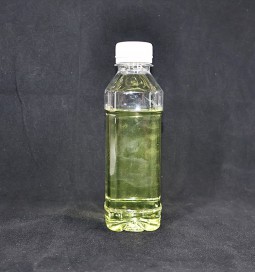
Biocides are a class of chemical substances that kill or inhibit microbial activity. They effectively control, eliminate, or suppress the growth and reproduction of microorganisms such as bacteria, fungi, algae, and viruses. Biocides are widely used in water treatment, agriculture, environmental protection, petrochemicals, food processing, healthcare, and other fields. With the acceleration of global industrialization, the demand for and frequency of biocide use have increased year by year, making them indispensable chemical materials in modern society.
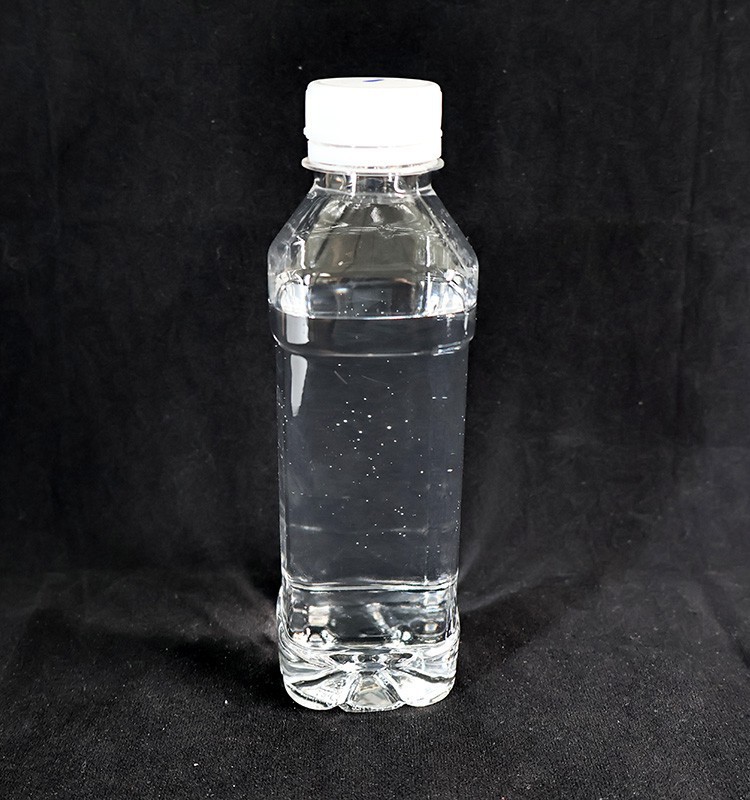
Biocides are chemical substances that inhibit, kill, or control the growth and reproduction of microorganisms. Their mechanisms of action include disrupting microbial cell structures, interfering with metabolic processes, and altering cell membrane functions. The use of biocides extends beyond disinfection to include functions such as preservation, freshness retention, and antimicrobial effects.
Based on application environments and target organisms, biocides can be categorized into several types:
- Antimicrobials: Primarily used to inhibit or kill bacteria, viruses, fungi, and other microorganisms.
- Preservatives: Used to prevent microbial growth, thereby extending product shelf life.
- Disinfectants: Used to kill pathogenic microorganisms in air, water sources, surfaces, or equipment.
- Algicides: Specifically designed to control algae growth in water bodies and prevent algal contamination. Biocides are a class of chemicals that kill or inhibit microbial activity. They are widely used across multiple industries, including water treatment, agriculture, environmental protection, petrochemicals, and food processing. As industrialization advances, the microbial threats facing humanity continue to grow, leading to a significant increase in the demand for biocides. This article will detail the definition, uses, different types, and application areas of biocides.
Biocides employ diverse mechanisms of action, primarily targeting the disruption of microbial physiological functions to halt growth and reproduction. Common mechanisms include:
(1) Cell Membrane Destruction: Many biocides inhibit microbial function by damaging cell membranes. As the cell's barrier, the cell membrane controls the exchange of substances between the interior and exterior. Once destroyed, intracellular substances leak out, causing the cell to lose its viability.
(2) Inhibition of Cellular Metabolism: Certain biocides interfere with microbial metabolic processes, such as by inhibiting protein synthesis or DNA replication, thereby suppressing normal growth.
(3) Alteration of DNA Structure: Some biocides damage the DNA structure of microorganisms, affecting genetic replication and ultimately killing the microorganisms.
(4) Inhibiting biofilm formation: Some microorganisms enhance environmental resistance by forming biofilms. Certain biocides suppress biofilm formation, thereby reducing microbial resistance.
The widespread use of biocides makes them indispensable in modern society. Below are detailed applications across multiple industries:
Water treatment represents one of the most prevalent applications for biocides. Water sources, cooling systems, swimming pools, and other aquatic environments are susceptible to contamination by microorganisms and algae. The use of biocides effectively prevents microbial proliferation, ensuring water quality and the proper functioning of equipment.
- Drinking Water Disinfection: Disinfectants such as chlorine and chloramines effectively eliminate bacteria and pathogenic microorganisms in water, ensuring the safety of drinking water.
- Cooling System Disinfection: Bacteria and algae readily proliferate in cooling towers and related equipment. Regular biocide application maintains system hygiene and prevents performance degradation.
- Swimming Pool Water Treatment: Bacteria and algae frequently thrive in pool water. Algaecides and disinfectants effectively control aquatic microorganisms, ensuring clean and safe water quality.
In agricultural production, biocides are used to control pests and diseases while enhancing crop yields. They effectively suppress plant pathogenic microorganisms, preventing crop damage.
- Crop Protection: Fungicides, insecticides, and herbicides are widely applied in agriculture to prevent pest and disease infestations, ensuring healthy crop growth.
- Food Preservation: Biocides inhibit microbial growth in food, extending shelf life. Preservatives are used in fruits, vegetables, meat, and dairy products to maintain freshness and flavor.
During oil extraction and processing, microorganisms may cause equipment corrosion and even impact oil production. Biocides are used to prevent microbial corrosion of oil and gas equipment while reducing contamination caused by microorganisms.
- Corrosion Prevention: Oil pipelines and well equipment are susceptible to microbial corrosion. Biocides effectively inhibit this issue, extending equipment lifespan.
- Microbial Control in Oil Extraction: During oil and gas field operations, biocides effectively control microbial growth, ensuring uninterrupted production.
In hospitals, clinics, and public spaces, biocides prevent hospital-acquired infections, cross-contamination, and public health issues—particularly critical during epidemics.
- Disinfectants: Used to sanitize air, surfaces, medical instruments, and equipment, reducing pathogen transmission.
- Epidemic Prevention Control: During influenza, COVID-19, and other pandemic responses, biocides play a vital role by eliminating viruses and bacteria.
During food processing, biocides prevent spoilage and decay while ensuring food safety. They inhibit microbial growth to maintain freshness and quality.
- Food Preservatives: Substances like benzoic acid and sorbic acid effectively extend shelf life.
- Sterilization and Disinfection: Disinfection of food processing equipment, containers, and packaging prevents contamination by pathogenic microorganisms.
Biocides are also widely used in wood, coatings, and cleaning products to inhibit microbial growth, extend material lifespan, and ensure environmental hygiene.
- Wood Preservation: Used in wood processing to prevent fungal, mold, and insect damage.
- Cleaning Products: Biocides are extensively added to detergents for cleaning and disinfection in both household and industrial settings.
While biocides play a vital role across industries, their use must adhere to strict safety regulations and environmental standards. Due to their potent biological activity, improper or excessive application may negatively impact the environment and human health.
(1) Human Health Risks: Certain biocides may be toxic to humans, particularly with excessive exposure. Therefore, appropriate protective equipment should be worn during use, and instructions must be strictly followed.
(2) Environmental Impact: Some biocides can pollute water bodies, soil, and air, disrupting ecological balance. Thus, environmentally friendly biocides should be used, ensuring their application avoids long-term negative environmental effects.
(3) Resistance Issues: Prolonged overuse of certain biocides may induce microbial resistance, diminishing their efficacy. Therefore, regular rotation of different biocide types and implementation of integrated pest management strategies are essential.
As vital chemical agents, biocides play a critical role in modern industry, agriculture, environmental protection, and public health. Whether applied in water treatment, crop protection, oil extraction, food preservation, or public health prevention, biocides significantly enhance production efficiency and quality of life. However, to prevent adverse environmental and health impacts, strict adherence to safety and environmental standards is essential during their use. With technological advancements and the widespread adoption of green environmental concepts, future biocides will evolve toward greater environmental sustainability and enhanced efficacy.

 E-mail:jcl@jichanglong.com
 WhatsApp:+8618560709619
 Address:Block B, Polymer Materials Industry Innovation Park,No. 51, Lutai Avenue, High-tech Zone, Zibo City, Shandong Province
China vanadium inhibitors manufacturer Shandong Jichanglong Environmental Engineering Co., Ltd.
Jichanglong specializes in vanadium inhibitor , dehumidification and drying block, calcium hypochlorite disinfectant tablets, polyacrylamide and other products. With over 20 years of experience, we offer quality assurance and wholesale prices.