As global water pollution issues become increasingly severe, water quality safety and sustainability have emerged as critical topics in environmental protection worldwide. Fluoride, a significant pollutant in water contamination, poses serious health risks to humans when present in excessive concentrations. Prolonged exposure to high levels of fluoride can lead to fluorosis, causing damage to bones and teeth. To address this problem, the use of defluorinating agents has become crucial. As chemical agents capable of effectively removing fluoride ions from water, defluorinating agents have found widespread application across multiple sectors. This article will explore the uses of defluorinating agents and their importance in water treatment, helping readers better understand the key role this chemical plays in global water purification.
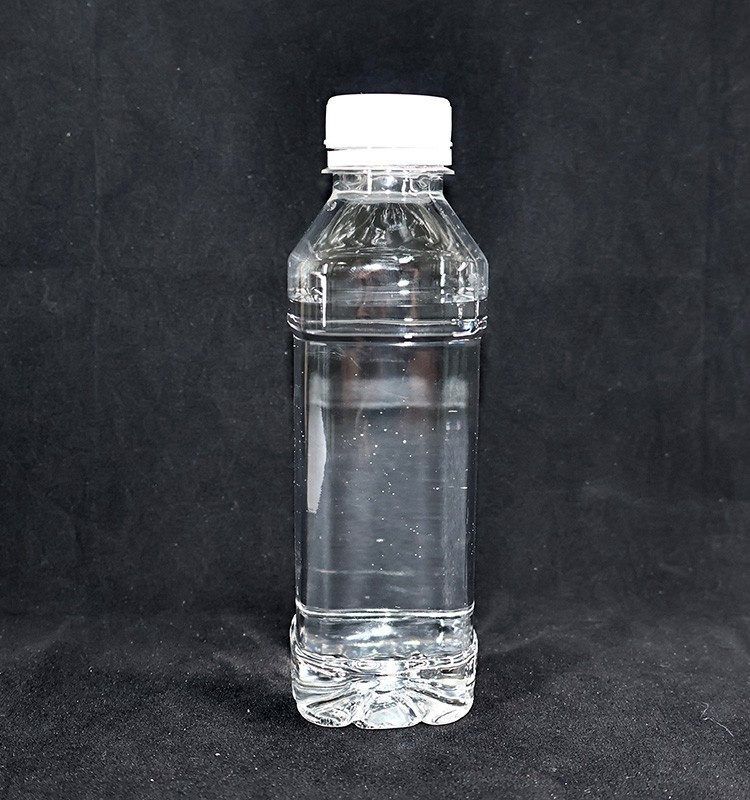
Defluorinating agents are a class of chemicals that effectively remove fluoride ions from water. They typically react chemically with fluoride ions to form insoluble fluoride precipitates, thereby removing fluoride ions from the water. These agents are commonly used in drinking water purification, industrial wastewater treatment, and agricultural water source protection to reduce fluoride concentrations and ensure water quality safety.
Defluorinating agents can be categorized into two types:
(1) Precipitation-based agents: Remove fluoride ions by generating insoluble precipitates through chemical reactions.
(2) Adsorption-based agents: Remove fluoride ions through physical adsorption, forming stable complexes.
Common defluorinating agents include: aluminum salts (e.g., aluminum sulfate, aluminum chloride), calcium salts (e.g., calcium chloride), sulfides, phosphates, etc. Among these, aluminum and calcium salts are widely used due to their strong fluoride ion removal capabilities.
Excessive fluoride levels in drinking water pose a significant challenge in many regions. Excessive fluoride ions can cause fluorosis, and long-term consumption of excessive fluoride may affect human skeletal and dental tissues, potentially leading to skeletal deformities, dental damage, and other health issues. Therefore, the application of defluorinating agents in drinking water purification is particularly crucial. In many areas, naturally occurring or artificially added fluoride results in excessively high fluoride levels in water sources, making fluoride removal an essential step in water quality management. defluorinating agents can eliminate fluoride ions from water through precipitation or adsorption methods, thereby ensuring water safety. Proper selection and controlled dosage of these agents can effectively reduce fluoride ion concentrations to safe levels, preventing fluorosis.
Certain industrial wastewater streams (e.g., from smelting, bauxite mining, fertilizer production) often contain high fluoride concentrations. Direct discharge of such effluents can severely pollute the environment and threaten ecosystem stability. Treating industrial wastewater with defluorinating agents provides an effective solution to this problem. In industrial wastewater treatment, defluorinating agents remove fluoride through chemical reactions or adsorption, reducing its concentration to minimize pollution of water bodies, protect water resources, and meet discharge standards. This not only benefits environmental protection but also reduces harm to the ecological environment.
Agricultural water constitutes a vital component of global water resources, with irrigation demands being particularly acute in water-scarce regions. However, fluoride contamination in agricultural irrigation water is becoming increasingly severe. Excessive fluoride not only impairs crop growth and reduces yields but may also contaminate soil through water sources, degrading soil quality. Using defluoridation agents to treat agricultural irrigation water effectively reduces fluoride ion concentrations, ensuring healthy crop growth and enhancing agricultural production quality and efficiency. Simultaneously, mitigating long-term fluoride pollution impacts on soil helps safeguard the sustainability of soil resources.
In some countries and regions, water fluoridation is implemented as a public health measure. Fluoridated water helps reduce the incidence of dental caries, holding significant public health importance, particularly for children. However, excessive fluoride exposure may cause adverse effects on human health. Therefore, when implementing water fluoridation, defluorinating agents are also required to ensure fluoride concentrations remain within appropriate ranges. For instance, in certain water source regions with naturally high fluoride levels, relevant authorities employ defluoridation agents to treat water sources. This prevents fluoride poisoning and ensures the safety of fluoridated drinking water. In such scenarios, defluoridation agents not only remove excess fluoride but also guarantee water quality meets regulatory standards, safeguarding public health.
In certain laboratories or scientific research fields, defluorinating agents are also employed to control fluoride concentrations during experiments. Specific analytical methods require strict regulation of fluoride levels in water to prevent interference with experimental results. In such cases, defluorinating agents function to remove fluoride ions from experimental samples, thereby ensuring experimental accuracy. Additionally, some research institutions utilize defluorinating agents as subjects in developing water treatment technologies, exploring more efficient and environmentally friendly fluoride removal methods. By studying the properties of different defluorinating agents, they develop more effective and cost-efficient water treatment technologies, driving the sustainable development of the water treatment industry.
Defluorinating agents primarily operate through two mechanisms: precipitation and adsorption.
Precipitation is one of the most common mechanisms for defluorinating agents. Components within the agent chemically react with fluoride ions in water, forming insoluble fluoride precipitates. These precipitates are then filtered out or settle out with the flow of water, achieving fluoride ion removal. Common defluorinating agents like calcium salts and aluminum salts operate through this method.
The adsorption method removes fluoride ions from water by adsorbing them onto the surface of the defluorinating agent. This method typically relies on substances with large specific surface areas and high adsorption capacities, such as activated carbon and bauxite. These materials adsorb fluoride ions in water, forming stable compounds or complexes that prevent the fluoride ions from being released back into the water.
Despite their significant role in water treatment, defluorinating agents face several challenges:
Fluoride ion concentrations, chemical compositions, and pH levels vary considerably across different water sources, posing challenges for agent selectivity and removal efficiency. Selecting the most suitable defluorinating agent based on specific water quality conditions and enhancing its removal efficiency represent key research directions in water treatment technology.
Some commercially available defluorinating agents may cause secondary pollution, particularly those containing harmful chemical components. Consequently, developing non-toxic, harmless, and environmentally friendly defluorinating agents has become a vital development direction in water treatment.
The production costs of defluorinating agents are relatively high, especially for highly efficient agents, which may increase water treatment expenses. Consequently, reducing production costs and improving cost-effectiveness are crucial for driving widespread adoption.
Future trends in defluorinating agents will focus on the following areas:
- Eco-friendly defluorinating agents: Emphasizing environmental protection through non-toxic, harmless raw materials to minimize secondary pollution.
- High-efficiency defluorinating agents: Enhancing removal efficiency, shortening treatment time, and reducing energy consumption.
- Intelligent fluoride removal technology: Leveraging IoT and AI to precisely control the fluoride removal process and enable real-time monitoring.
The application of defluorinating agents in water treatment is crucial for ensuring water quality safety, protecting human health, and preserving the ecological environment. From drinking water purification to industrial wastewater treatment and agricultural water source protection, defluorinating agents are increasingly versatile and demonstrate significant potential across multiple sectors. With continuous technological advancement and growing environmental demands, defluorinating agents will achieve enhanced performance, delivering more efficient and eco-friendly water treatment solutions. Undoubtedly, defluorinating agents will play an increasingly vital role in global water resource conservation and sustainable development.

 E-mail:jcl@jichanglong.com
 WhatsApp:+8618560709619
 Address:Block B, Polymer Materials Industry Innovation Park,No. 51, Lutai Avenue, High-tech Zone, Zibo City, Shandong Province
China vanadium inhibitors manufacturer Shandong Jichanglong Environmental Engineering Co., Ltd.
Jichanglong specializes in vanadium inhibitor , dehumidification and drying block, calcium hypochlorite disinfectant tablets, polyacrylamide and other products. With over 20 years of experience, we offer quality assurance and wholesale prices.