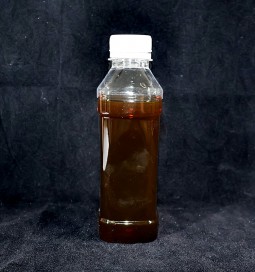
In modern industry and daily life, water serves as a vital medium, widely utilized in equipment cooling, industrial production, heating systems, and numerous other applications. However, during its circulation, water frequently introduces two primary issues: corrosion and scaling. These problems not only compromise equipment operational efficiency but may also shorten equipment lifespan and even cause malfunctions. To address these challenges, corrosion and scale inhibitors have emerged. As vital chemical additives, they effectively suppress corrosion and prevent scale buildup.
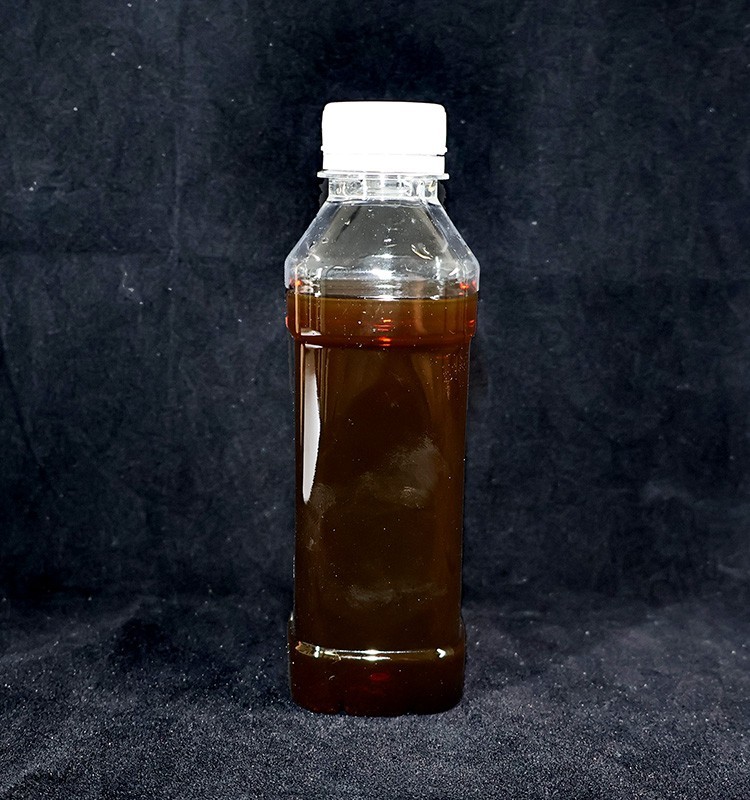
Corrosion and scale inhibitors are specialized chemical agents designed to inhibit metal corrosion and prevent scale formation. Their primary functions are twofold:
- Corrosion Inhibition: Protects metal materials from erosion by oxygen, acidic substances, and other corrosive components in water, preventing electrochemical corrosion reactions on metal surfaces.
- Scale Inhibition: Interferes with the crystallization process of calcium, magnesium, and other ions in water, preventing them from forming hard scale deposits on equipment inner walls. This ensures the efficient operation of water treatment equipment.
Through these dual actions, corrosion and scale inhibitors effectively extend equipment lifespan, enhance water system efficiency, and reduce maintenance costs caused by scaling and corrosion.
The mechanism of action involves multiple complex processes, primarily encompassing corrosion inhibition and scale prevention principles:
Common mechanisms include film-forming protection and environmental modification.
- Film Protection: Corrosion inhibitors form a protective film on metal surfaces, effectively isolating the metal from corrosive substances in water and inhibiting corrosion reactions.
- Environmental Modification: Corrosion inhibitors improve the chemical environment of water by adjusting pH levels, reducing dissolved oxygen, and other means, thereby slowing the rate of metal corrosion.
Scale inhibitors suppress scale formation through the following mechanisms:
- Threshold Effect: Scale inhibitors effectively prevent the deposition of scale-forming components like calcium and magnesium ions at low concentrations, stopping crystalline substances from forming hard scale layers on equipment surfaces.
- Lattice Distortion: Scale inhibitor molecules can penetrate into the crystal structure of scale, causing irregular crystal growth and disrupting scale layer formation.
- Dispersion: Scale inhibitors maintain microscopic crystal particles in suspension within water through electrostatic repulsion or steric hindrance, preventing their deposition into scale.
Through these mechanisms, corrosion and scale inhibitors effectively control corrosion and scaling, ensuring the safe operation of equipment and pipelines.
Corrosion and scale inhibitors can be classified into multiple types based on chemical composition and mode of action.
- Inorganic corrosion inhibitors represent an earlier developed category, including phosphates, silicates, and similar compounds. They form dense protective layers on metal surfaces, effectively isolating corrosive media. These substances offer good stability and lower costs but may exhibit limited effectiveness under certain conditions.
- Organic corrosion inhibitors constitute another major category, including compounds such as organic phosphonic acids and polymers. They typically possess multiple active groups that form stable complexes with metal ions while exhibiting excellent dispersing properties. These substances have broad applicability and deliver notably effective results.
- Modified natural product corrosion inhibitors are prepared using natural substances like plant extracts or their modified derivatives. These substances are widely available and environmentally friendly, though their effectiveness may vary depending on the source and processing methods.
- Composite corrosion and scale inhibitors represent a key current development direction. They combine multiple effective components in scientifically optimized ratios to achieve synergistic effects and enhanced overall performance. Such products typically address multiple corrosion and scaling issues simultaneously, offering broader applicability.
Corrosion and scale inhibitors play a vital role across multiple sectors.
(1) Industrial circulating water systems represent one of the primary application areas for these inhibitors. Within these systems, water undergoes repeated circulation, leading to gradually increasing mineral concentrations that can cause equipment corrosion and scaling. Appropriate addition of corrosion and scale inhibitors significantly extends equipment lifespan and enhances heat exchange efficiency.
(2) Corrosion and scale inhibitors are also extensively used in heating and air conditioning systems. Piping, heat exchangers, and other components in these systems are constantly exposed to water, making them susceptible to corrosion and scale buildup that can impair system performance and energy efficiency. Proper use of inhibitors helps maintain stable system operation.
(3) In industrial production processes, numerous process units such as reactors, evaporators, and condensers require corrosion and scale inhibitors. The operational status of these devices directly impacts product quality and production efficiency, making appropriate protective measures essential.
(4) In certain residential applications like household water heaters and washing machines, treatment agents with corrosion and scale inhibition functions may also be used to protect internal components and extend service life.
Proper application of corrosion and scale inhibitors is critical, requiring attention to the following aspects:
(1) Dosage Control: The amount of inhibitor used should be adjusted based on water quality, equipment characteristics, and system operating conditions. Insufficient dosage may fail to achieve the desired effect, while excessive amounts can lead to waste or even cause other issues.
(2) Compatibility: Different equipment materials react differently to corrosion and scale inhibitors; certain components may corrode specific materials. Conduct thorough compatibility assessments before use.
(3) Environmental Safety: Prioritize environmentally friendly products when selecting inhibitors, avoiding chemical formulations containing heavy metals or other persistent pollutants.
(4) Regular Monitoring and Maintenance: Even with corrosion and scale inhibitors, systems require periodic inspections. Water quality analysis should evaluate treatment effectiveness, enabling timely adjustments to treatment protocols.
(5) Storage and Management: Corrosion and scale inhibitors must be stored properly according to product instructions to prevent degradation and safety hazards. Establish standardized management systems to ensure safe and effective usage.
Driven by technological advancements and heightened environmental standards, corrosion and scale inhibitors are evolving toward greater efficiency and eco-friendliness.
(1) Development of environmentally friendly products is a key focus. Researchers are dedicated to creating novel inhibitors with enhanced biodegradability and reduced ecotoxicity to minimize environmental impact.
(2) Multifunctional composite formulations are gaining increased attention. By scientifically blending multiple active ingredients, synergistic effects are achieved, simultaneously addressing various water treatment challenges and enhancing user convenience.
(3) Intelligent application technologies are gradually being adopted. Through automated monitoring and control equipment, precise dosing and optimized performance of corrosion and scale inhibitors are realized, improving treatment efficiency and cost-effectiveness.
(4) Novel materials continue to emerge. Advancements in emerging fields like nanomaterials and biotechnology offer fresh perspectives for corrosion inhibitor development, potentially yielding products with superior performance.
As essential tools for preventing corrosion and scaling in water systems, corrosion inhibitors play an indispensable role in ensuring equipment safety and enhancing system efficiency. Understanding their fundamental concepts, operating principles, and application domains empowers users to select and utilize these critical chemical agents more effectively. Driven by technological advancements and heightened environmental standards, corrosion and scale inhibitors will continue to evolve, delivering more efficient and eco-friendly solutions for industrial and residential equipment. Proper application of these inhibitors not only extends equipment lifespan but also conserves resources, reduces operational costs, and contributes to sustainable development.

 E-mail:jcl@jichanglong.com
 WhatsApp:+8618560709619
 Address:Block B, Polymer Materials Industry Innovation Park,No. 51, Lutai Avenue, High-tech Zone, Zibo City, Shandong Province
China vanadium inhibitors manufacturer Shandong Jichanglong Environmental Engineering Co., Ltd.
Jichanglong specializes in vanadium inhibitor , dehumidification and drying block, calcium hypochlorite disinfectant tablets, polyacrylamide and other products. With over 20 years of experience, we offer quality assurance and wholesale prices.