With the acceleration of global climate change and industrialization, moisture has significantly impacted numerous industries and environments. Moisture not only risks damaging equipment and materials but also leads to issues such as mold growth, corrosion, and spoilage, posing challenges across production, storage, and transportation processes. To address this issue, dehumidification and drying blocks—as highly efficient moisture-absorbing materials—are playing an increasingly vital role across diverse sectors. This article comprehensively analyzes the functions, applications, market demand, and development prospects of dehumidification and drying blocks.
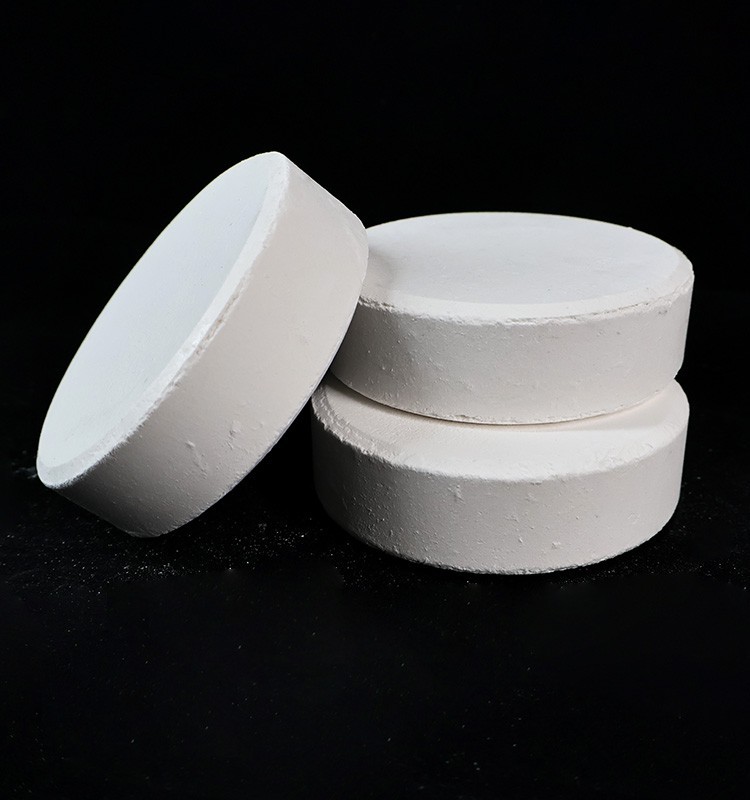
Dehumidification and drying blocks are specialized functional materials designed to adsorb excess moisture from the air. Typically composed of highly hygroscopic substances such as silica gel, calcium chloride, or molecular sieves, their core function is to reduce environmental humidity through moisture absorption reactions or physical adsorption, maintaining a dry and stable state within target spaces. Unlike traditional active dehumidification equipment, dehumidification and drying blocks are passive dehumidification materials requiring no electrical power. They offer flexible deployment—directly placed inside packaging, storage spaces, transport containers, or around equipment—making them particularly suitable for enclosed or localized dehumidification scenarios. Some high-quality dehumidification and drying blocks also feature regenerative properties, restoring their moisture-absorbing capacity through heating or drying. This not only extends their service life but also significantly enhances economic efficiency and sustainability value.
The primary function of dehumidification and drying blocks is to reduce environmental humidity through moisture absorption, preventing moisture accumulation and mold growth. Specifically, their functions can be summarized as follows:
The most fundamental and core function of dehumidification and drying blocks lies in rapidly adsorbing moisture from the air, effectively lowering environmental humidity. Whether in high-humidity climates or within enclosed warehouses, containers, or packaging spaces, dehumidification and drying blocks continuously absorb moisture to prevent dampness buildup.
Moisture is the primary catalyst for mold growth and material corrosion. Metals rust, wood rots, and paper products or fabrics develop mold. By continuously regulating humidity, dehumidification and drying blocks effectively inhibit mold growth, slow material degradation, and significantly extend the service life of products and equipment.
Electronic components, circuit boards, and precision instruments are highly sensitive to humidity. Excessive moisture can cause short circuits, performance degradation, or even permanent damage. Incorporating dehumidification and drying blocks into electronic packaging or storage environments effectively mitigates moisture risks, ensuring product performance stability.
During long-distance transport, particularly maritime shipping and cross-border logistics, temperature fluctuations frequently cause condensation phenomena like “container rain.” Dehumidifying dehumidification and drying blocks continuously absorb moisture throughout the entire transport cycle, effectively preventing cargo dampness, packaging deformation, or internal corrosion, thereby improving logistics safety and delivery quality.
Dehumidifying dehumidification and drying blocks require no electrical power, produce no noise, and incur no additional energy consumption. Compared to dehumidifiers or air conditioners, they offer significant energy-saving advantages. Their simple structure and low maintenance costs align with current industry trends toward green manufacturing and low-carbon development.
Dehumidification and drying blocks serve multiple industries with extensive applications, particularly in environments requiring dry conditions. Key application scenarios include:
Dehumidification and drying blocks are extensively used in the production, packaging, storage, and export transportation of electronic products. They effectively prevent moisture-induced failure of electronic components, enhance finished product yield rates, and reduce post-sales risks.
Medical devices, optical instruments, and laboratory equipment demand extremely stringent environmental conditions. dehumidification and drying blocks are commonly employed in equipment storage containers and instrument cabinets to ensure precision stability and long-term reliable operation.
Food and pharmaceutical products demand exceptionally strict humidity control. dehumidification and drying blocks play a critical role in food packaging, pharmaceutical containers, and cold chain transportation, extending shelf life while ensuring safety and quality.
During storage and transportation of machinery and automotive components, dehumidification and drying blocks effectively reduce moisture-induced corrosion, electrical failures, and surface damage.
Extended sea voyages or cross-border shipments often involve high-humidity environments, with severe condensation inside containers. dehumidification and drying blocks are widely used in containers, pallets, and packaging boxes, serving as essential tools for moisture prevention in international logistics.
In home wardrobes, shoe cabinets, bookshelves, basements, as well as hotels and archives, dehumidification and drying blocks effectively prevent moisture and eliminate odors, enhancing living and usage experiences.
Various types of dehumidification and drying blocks are available on the market to suit different needs and environments. Common types include:
Silica gel is a common moisture-absorbing material with high hygroscopic capacity and reusability. Silica gel dehumidification and drying blocks are widely used in electronics, precision instruments, and other industries to effectively adsorb airborne moisture and maintain dry environments.
Calcium chloride is a chemical substance with strong hygroscopic properties, capable of absorbing moisture and forming a solution within a short timeframe. Calcium chloride dehumidification and drying blocks are typically used in high-humidity environments like large warehouses and workshops to rapidly remove moisture from the air.
Molecular sieves are highly hygroscopic materials effective in both low- and high-humidity conditions. Molecular sieve dehumidification and drying blocks are suitable for industries with extremely stringent humidity requirements, such as the storage and transportation of electronic products and pharmaceuticals.
Driven by industrialization, heightened environmental awareness, and global climate change impacts, market demand for dehumidification and drying blocks continues to grow. Applications are particularly surging in electronics, precision instruments, food, and pharmaceutical sectors. Their low cost, eco-friendliness, and reusability ensure broad market prospects, especially in scenarios requiring long-term moisture control where their advantages become increasingly prominent.
Advancements in technology and material innovation will further enhance the functionality and performance of dehumidification and drying blocks. For instance, the integration of smart dehumidification technology enables real-time humidity monitoring and regulation, improving dehumidification efficiency and user convenience. Moreover, with increasingly stringent environmental regulations, green and recyclable desiccant materials will become a key future development trend.
As an efficient, economical, and eco-friendly humidity control solution, dehumidification and drying blocks have become indispensable “moisture management assistants” in modern industrial production, warehousing logistics, and daily life. They not only effectively resolve multiple issues caused by damp environments but also provide reliable assurance for businesses to reduce losses and enhance product quality. In future applications, dehumidification and drying blocks will continue to expand their functional boundaries, playing a pivotal role across more industries to support safe, efficient, and sustainable development.

 E-mail:jcl@jichanglong.com
 WhatsApp:+8618560709619
 Address:Block B, Polymer Materials Industry Innovation Park,No. 51, Lutai Avenue, High-tech Zone, Zibo City, Shandong Province
China vanadium inhibitors manufacturer Shandong Jichanglong Environmental Engineering Co., Ltd.
Jichanglong specializes in vanadium inhibitor , dehumidification and drying block, calcium hypochlorite disinfectant tablets, polyacrylamide and other products. With over 20 years of experience, we offer quality assurance and wholesale prices.