In modern industrial and environmental protection fields, polyacrylic amide, as a multifunctional chemical, finds extensive applications across multiple industries due to its outstanding physical and chemical properties. As a high-molecular-weight polymer, polyacrylic amide's uses extend beyond water treatment to encompass petroleum extraction, textiles, papermaking, civil engineering, agriculture, and other vital sectors. This article will delve into the diverse applications of polyacrylic amide, analyzing its value across various industries and its future market prospects.
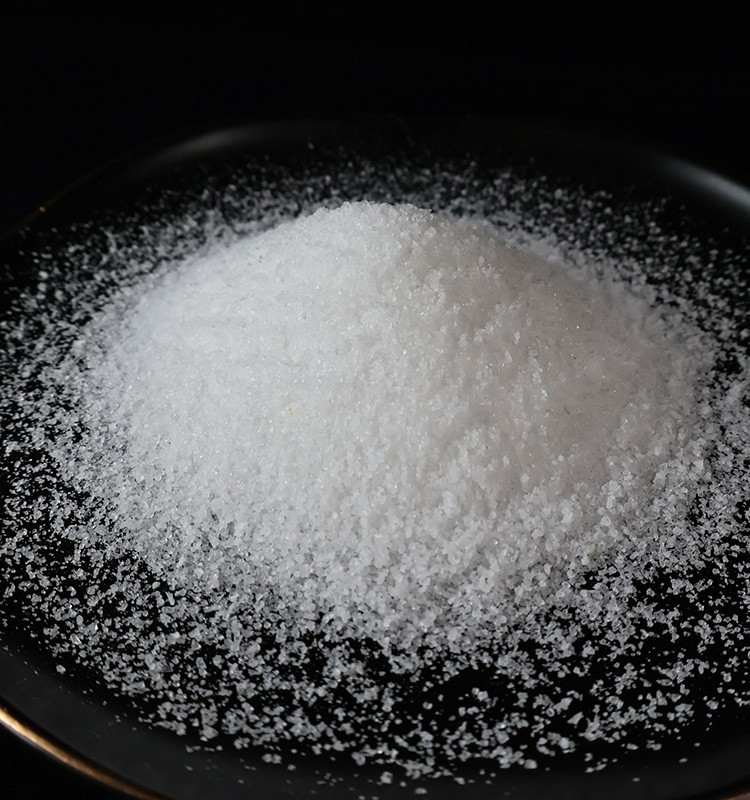
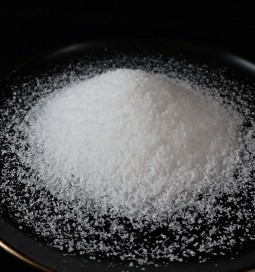
Polyacrylic amide is a linear polymeric compound synthesized through the polymerization of acrylamide monomers. Based on molecular structure, it is categorized into cationic, anionic, and nonionic types, each exhibiting distinct properties and application domains.
(1) Cationic polyacrylic amide: Exhibits excellent water solubility and flocculation properties, commonly used in water treatment and paper processing.
(2) Anionic polyacrylic amide: Possesses strong adsorption capabilities, primarily applied in petroleum extraction and mineral processing.
(3) Nonionic polyacrylic amide: Charge-free, primarily used in papermaking, textiles, and petroleum extraction.
Key characteristics of polyacrylic amide include excellent water solubility, stability, and highly effective flocculation, thickening, dispersing, and gelling properties. These attributes enable its widespread application across multiple industries.
The most widely recognized application of polyacrylic amide is in water treatment, particularly for industrial wastewater and domestic sewage. It functions as a flocculant by reacting with suspended solids in water, promoting their aggregation into larger particles to accelerate sedimentation and filtration processes.
(1) Industrial Wastewater Treatment: In sectors like chemical processing, metallurgy, textiles, and dyeing, wastewater often contains substantial suspended particles and harmful substances. Using polyacrylic amide effectively removes suspended solids, bacteria, and organic matter, reducing water turbidity. Anionic polyacrylic amide, in particular, demonstrates exceptional performance when treating highly turbid and concentrated wastewater.
(2) Drinking Water Treatment: Polyacrylic amide also finds application in drinking water treatment, especially during primary filtration of water sources. Through flocculation, it effectively removes minute particles, ensuring clear and safe water quality.
(3) Sludge Dewatering: Sewage treatment generates substantial sludge volumes, making efficient dewatering to reduce sludge mass and processing costs a major challenge. polyacrylic amide promotes sludge flocculation and dewatering, minimizing chemical and energy consumption in sludge treatment processes.
Polyacrylic amide plays a vital role in petroleum extraction, particularly as an effective additive during oil production.
(1) Viscosity Enhancer: In oil extraction, polyacrylic amide functions as a thickening agent, significantly increasing the viscosity of drilling fluids and fracturing fluids. The use of thickening fluids helps control fluid flow, preventing sand and gravel from entering the wellbore, thereby improving oil and gas recovery rates.
(2) Oilfield Flooding Agent: polyacrylic amide also functions as an oilfield flooding agent. By increasing the viscosity of water in oilfields, it enhances oil production efficiency. polyacrylic amide improves water flooding effectiveness, enabling more efficient extraction of petroleum.
(3) Sintered ore powder control: In mineral extraction, polyacrylic amide can also be used to control the binding properties during the sintering process of ore powder. This aids in slag treatment and enhances resource recovery rates.
(1) Textile Industry: In textiles, polyacrylic amide commonly serves as a thickener and stabilizer, playing a crucial role especially during dyeing. It ensures even dye distribution, guaranteeing color uniformity and stability. Additionally, it is used in fabric finishing to enhance luster and hand feel.
(2) Paper Industry: In the paper industry, polyacrylic amide functions as a pulp treatment agent, effectively enhancing paper strength and water resistance. It promotes fiber bonding, thereby increasing tear resistance and tensile strength. Furthermore, polyacrylic amide is employed in treating paper mill wastewater, reducing pollutant levels to meet environmental standards.
(1) Soil Improvement: Used as a soil conditioner in agriculture, polyacrylic amide enhances soil structure while increasing water retention and aeration. By altering inter-particle voids in soil, it reduces water evaporation and improves crop water utilization efficiency. Particularly in arid regions, polyacrylic amide helps enhance water retention capacity, reduce irrigation frequency, and conserve water resources.
(2) Controlled-Release of Pesticides and Fertilizers: Polyacrylic amide also serves as a controlled-release agent for pesticides and fertilizers in agriculture. It facilitates uniform absorption of nutrients and chemicals over extended periods, improving application efficiency while minimizing chemical waste and environmental pollution.
Polyacrylic amide's applications in construction and civil engineering primarily focus on enhancing soil stability and concrete crack resistance.
(1) Soil Stabilizer: In civil engineering projects like road construction and dam engineering, polyacrylic amide functions as a soil stabilizer. It enhances soil compressive strength and shear resistance, prevents soil erosion, and improves construction quality.
(2) Concrete Admixture: Polyacrylic amide is also incorporated into concrete as a strengthener. It improves crack resistance, reduces cement cracking, and increases structural durability.
Driven by stringent environmental policies and industrial demands, global demand for polyacrylic amide continues to rise. Its application prospects are particularly broad in water treatment, oil extraction, agriculture, and papermaking industries. Market research indicates that the global polyacrylic amide market will maintain steady growth in the coming years. Demand will expand further in developing countries as industrialization advances and environmental standards tighten. Additionally, production processes continue to innovate, with eco-friendly polyacrylic amide R&D becoming a key industry focus. As production costs decrease and environmental standards rise, polyacrylic amide will assume an increasingly vital role across multiple industries.
With its unique chemical properties and extensive application scope, polyacrylic amide has become an indispensable material in modern industry. It plays a significant role in water treatment, oil extraction, textiles, papermaking, agriculture, and civil engineering. With continuous technological advancements and expanding market demands, polyacrylic amide's application prospects are increasingly broad, positioning it as a catalyst for development across global industries.

 E-mail:jcl@jichanglong.com
 WhatsApp:+8618560709619
 Address:Block B, Polymer Materials Industry Innovation Park,No. 51, Lutai Avenue, High-tech Zone, Zibo City, Shandong Province
China vanadium inhibitors manufacturer Shandong Jichanglong Environmental Engineering Co., Ltd.
Jichanglong specializes in vanadium inhibitor , dehumidification and drying block, calcium hypochlorite disinfectant tablets, polyacrylamide and other products. With over 20 years of experience, we offer quality assurance and wholesale prices.