With the increasing scarcity of global water resources and the intensification of pollution issues, the safety of water bodies and the quality of drinking water have become focal points of concern across society. As one of the water pollutants, fluoride has garnered widespread attention. Particularly in certain regions, due to geological factors or industrial pollution, excessively high fluoride concentrations in water have emerged as a major threat to public health. Fluoride poisoning not only causes chronic damage to organs such as bones and teeth but may also lead to various carcinogenic diseases. Therefore, effectively removing fluoride from water has become a critical challenge in the field of water treatment. To address this challenge, powerful defluorinating agents have emerged, playing an irreplaceable role in industrial water treatment, drinking water purification, and other areas.
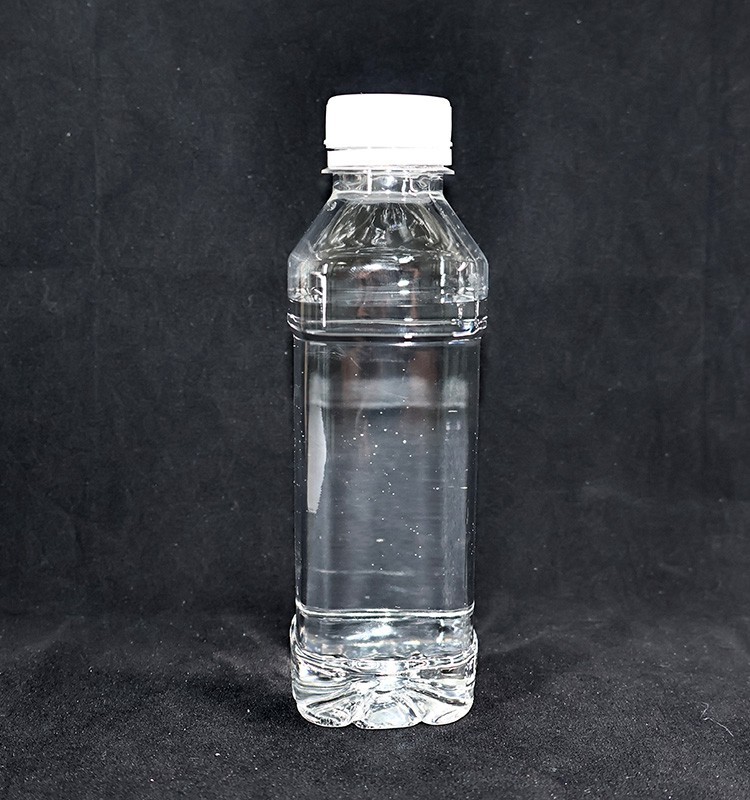
Powerful defluorinating agents are specialized chemical substances or materials designed to eliminate fluoride from water. Their mechanism typically involves chemical reactions or adsorption processes that bind fluoride with other substances to form insoluble compounds, thereby removing them from the water. powerful defluorinating agents feature rapid reaction times, high fluoride removal efficiency, and simple operation. They effectively reduce fluoride concentrations in water bodies, ensuring water quality meets safety standards. Currently, two main types of powerful defluorinating agents are commonly available on the market: chemical precipitation-type agents and adsorption-type agents. The former reacts with fluoride ions to form precipitates, while the latter removes fluoride through physical adsorption.
The working principles of powerful defluorinating agents can be categorized into several distinct mechanisms, primarily including chemical precipitation, ion exchange, and physical adsorption. The specific mechanism depends on the type and characteristics of the defluorinating agent used.
Chemically precipitating defluorinating agents react with fluoride ions in water to form insoluble compounds such as calcium fluoride or aluminum fluoride, thereby removing fluorides. These insoluble precipitates are separated through filtration or sedimentation for effective removal.
Ion exchange defluorinating agents utilize negatively charged substances to exchange with fluoride ions in water, adsorbing fluoride ions while releasing ions harmless to water quality. For example, certain natural ores or synthetic resins can remove fluoride from water through ion exchange processes.
Adsorption-based defluorinating agents typically employ porous materials like activated carbon, bauxite, or zeolite. These materials utilize their large specific surface area and strong adsorption capacity to adsorb fluoride ions onto their surfaces. This method generally requires extended contact time to achieve optimal removal efficiency.
In recent years, with advancing research, composite defluorinating agents have emerged as a growing trend. These agents typically combine multiple fluoride removal principles—such as integrating adsorption with chemical reactions or blending different chemicals—to enhance removal efficiency and reaction rates.
Based on their operating principles and application environments, powerful defluorinating agents can be categorized as follows:
These agents react with fluoride ions to form insoluble precipitates, thereby removing fluoride. Common chemical precipitants include lime and aluminum salts. In water treatment, these agents promote fluoride precipitation by adding specific chemical dosages.
Adsorption agents typically utilize natural or synthetic materials like activated carbon, zeolite, or bauxite. These materials possess large specific surface areas, enabling effective adsorption of fluoride ions in water. The advantages of this type include simple operation and lower costs, though frequent replacement of the adsorbent may be required in certain scenarios.
Ion exchange utilizes negatively charged materials to adsorb fluoride ions from water, commonly employing strong anion exchange resins or natural minerals. This method achieves high fluoride removal efficiency with good selectivity, though it may incur higher operational costs in certain high-fluoride water treatment processes.
Composite defluorinating agents combine multiple principles, such as simultaneous adsorption and chemical reactions. Their advantage lies in achieving both high efficiency and broad adaptability, maintaining stable fluoride removal performance under complex water conditions.
In regions with high natural fluoride levels, excessive fluoride concentrations in drinking water may cause fluorosis, posing health risks to humans. Therefore, using powerful defluorinating agents to eliminate fluoride from water and ensure compliance with national standards is a critical measure for safeguarding public drinking water safety.
Certain industrial processes, such as bauxite mining and fertilizer production, may generate fluoride-containing wastewater. Without effective fluoride removal, this can cause severe environmental pollution. Consequently, industrial water treatment requires powerful defluorination agents to eliminate fluoride from wastewater and reduce aquatic pollution.
In certain regions, water sources may contain elevated fluoride concentrations, necessitating stringent quality standards for agricultural irrigation water. powerful defluorinating agents can effectively reduce fluoride levels in irrigation water, preventing fluoride toxicity to crops.
Following natural disasters, particularly earthquakes and floods, water source contamination risks may escalate. powerful defluorination agents play a critical role in post-disaster water purification and emergency water supply treatment, rapidly and effectively reducing fluoride levels to ensure safe drinking water for affected populations.
(1) Significant Fluoride Removal Effectiveness: These agents exhibit extremely high fluoride removal efficiency, rapidly reducing fluoride concentrations in water to meet diverse treatment demands across varying water qualities and environments.
(2) Simple Operation: Most powerful defluorinating agents are relatively easy to use, typically requiring only quantitative addition to water followed by a waiting period for the fluoride removal effect to manifest.
(3) Strong Adaptability: Different types of powerful defluorinating agents suit various water qualities and treatment needs, providing suitable solutions for both high- and low-concentration fluoride water.
(4) Environmentally Friendly: Many modern powerful defluorinating agents utilize natural minerals or non-toxic chemical components, minimizing environmental impact and avoiding secondary pollution after use.
(5) Cost-Effective: Compared to some traditional water treatment methods, powerful defluorinating agents offer lower costs and simpler operation, requiring no complex equipment investment, making them suitable for widespread adoption.
While powerful defluorinating agents demonstrate excellent performance in fluoride elimination, the following points require attention during practical application:
(1) Dosage Control: The addition of defluorinating agents should be reasonably controlled based on the fluoride concentration and water quality characteristics to avoid side effects caused by excessive use.
(2) Water Quality Monitoring: Regularly monitor fluoride concentration changes during treatment to ensure sustained and stable removal efficacy.
(3) Agent Selection: Different water sources and conditions require tailored defluorinating agents to achieve optimal results.
(4) Equipment Maintenance: For systems using adsorption-type defluorination agents, regular cleaning and replacement of adsorbents are required to ensure long-term, efficient operation.
With technological advancements, future powerful defluorination agents will increasingly emphasize environmental sustainability, efficiency, and intelligent operation. For instance, agents incorporating nanotechnology or novel composite materials hold promise for further enhancing removal efficacy while reducing chemical usage and lowering treatment costs. In summary, powerful defluorinating agents hold significant importance in water treatment. They not only effectively eliminate fluoride from water, safeguarding drinking water safety and environmental protection, but also provide robust technical support for addressing global water pollution challenges. With the continuous development of related technologies and deepening applications, these agents will play an increasingly vital role across diverse water quality treatment fields in the future.

 E-mail:jcl@jichanglong.com
 WhatsApp:+8618560709619
 Address:Block B, Polymer Materials Industry Innovation Park,No. 51, Lutai Avenue, High-tech Zone, Zibo City, Shandong Province
China vanadium inhibitors manufacturer Shandong Jichanglong Environmental Engineering Co., Ltd.
Jichanglong specializes in vanadium inhibitor , dehumidification and drying block, calcium hypochlorite disinfectant tablets, polyacrylamide and other products. With over 20 years of experience, we offer quality assurance and wholesale prices.