In modern industry and daily life, chemical materials are ubiquitous. As an important inorganic chemical product, aluminum sulfate plays a critical role in numerous industries due to its excellent flocculation properties, stability, and wide range of applications. Whether in urban water supply systems, wastewater treatment projects, or in the paper, textile, and building materials sectors, aluminum sulfate has become an irreplaceable functional material thanks to its unique properties. With the continuous rise in environmental protection requirements and the ongoing advancement of industrial technology, the scope of aluminum sulfate’s application is constantly expanding, and market demand for it is showing a steady upward trend. Gaining a deep understanding of aluminum sulfate’s uses and its mechanism of action is of great significance for enterprises in making rational material selections and optimizing process flows.
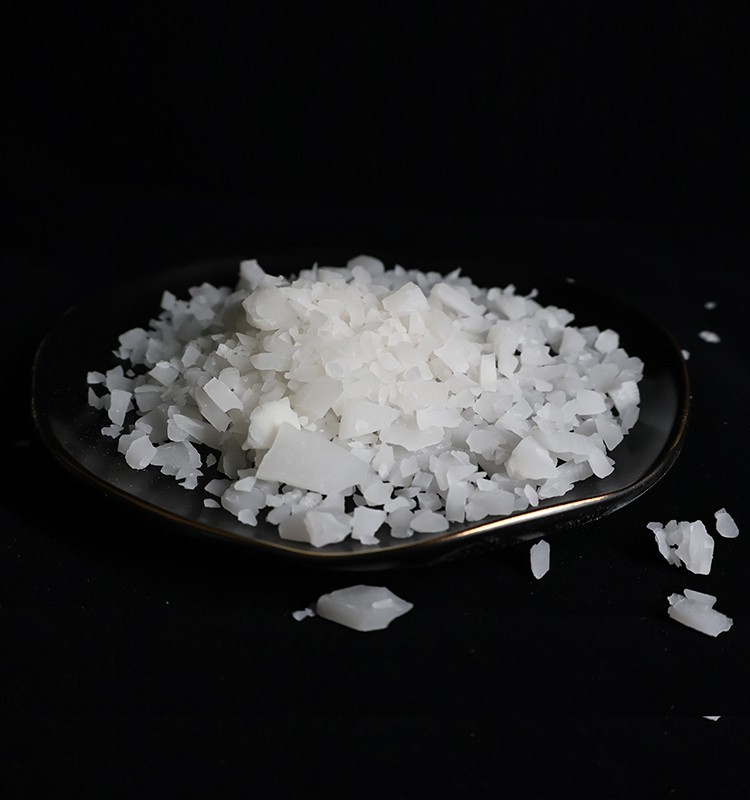
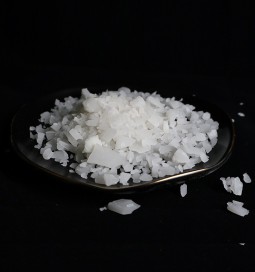
Aluminum sulfate is a white or light gray crystalline or lumpy substance that is highly soluble in water, with its aqueous solution exhibiting acidic properties. Its molecular formula is Al₂(SO₄)₃. In water, it hydrolyzes to form a colloidal aluminum hydroxide, which serves as the core basis for its flocculation action. In practical applications, aluminum sulfate exhibits the following notable characteristics: First, it possesses excellent flocculation capabilities, enabling rapid adsorption of suspended particles in water; second, it is relatively low-cost, making it suitable for large-scale industrial applications; third, it has a broad range of applicability and can be used under various water quality conditions; furthermore, it is chemically stable, facilitating convenient storage and transportation.
One of the most widespread and important applications of aluminum sulfate is in water treatment. In municipal water supply and industrial wastewater treatment, it is widely used as a flocculant.
When aluminum sulfate is added to water, a hydrolysis reaction occurs, producing aluminum hydroxide colloids. These colloids possess strong adsorption capabilities, enabling them to adsorb suspended solids, colloidal impurities, and certain organic matter in the water, aggregating them into larger flocculent particles. These particles then settle under the force of gravity, thereby purifying the water.
In the treatment of tap water, aluminum sulfate effectively removes turbidity, improves water clarity, and reduces surfaces for bacterial adhesion. In the field of wastewater treatment, it not only removes suspended solids but also reduces phosphorus levels in the water, playing a significant role in preventing water eutrophication.
In the paper industry, aluminum sulfate also plays a vital role. It is primarily used in the sizing process to help distribute sizing agents evenly within the pulp, thereby improving the paper’s water resistance and strength. Additionally, aluminum sulfate serves as a retention and filtration aid, enhancing the retention of fillers and fibers in the paper, which improves paper quality and reduces production costs. In paper surface treatment, it also enhances the paper’s smoothness and printability, making it better suited for high-quality printing requirements.
As papermaking processes continue to advance, the use of aluminum sulfate is being gradually optimized to meet the demands of environmentally friendly and high-performance paper production.
In the textile industry, aluminum sulfate is primarily used as a mordant. During the dyeing process, it helps dyes adhere better to fibers, thereby improving dyeing uniformity and colorfastness. At the same time, aluminum sulfate can be used in fabric waterproofing and finishing processes to enhance fabric performance. In certain processes, it also serves as a pH regulator, helping to maintain the stability of the dyeing environment.
In the field of building materials, aluminum sulfate is also widely used. For example, in cement and concrete production, it serves as a setting retarder to control the hardening rate of the materials, thereby meeting the requirements of various construction conditions.
In waterproofing materials, aluminum sulfate reacts with other components to form a dense structure, enhancing the material’s impermeability. Furthermore, in the manufacturing of refractory materials and ceramics, aluminum sulfate is used as an additive to improve material properties.
With the growing awareness of environmental protection, the application of aluminum sulfate in environmental remediation is gaining increasing attention. In lake remediation, it can be used to remove excess phosphorus from water bodies, thereby inhibiting algae growth and improving water quality. In the agricultural sector, aluminum sulfate can also be used to adjust soil pH levels. For alkaline soils, applying an appropriate amount of aluminum sulfate can lower the soil pH, thereby improving the growing environment for crops.
In addition to the primary applications mentioned above, aluminum sulfate plays a role in numerous industries. For example, in leather processing, it is used in tanning processes; in firefighting, it serves as one of the raw materials for foam fire extinguishing agents; and in the cosmetics and pharmaceutical industries, it has certain auxiliary applications. Aluminum sulfate is also used in pigment manufacturing and the production of chemical intermediates; its versatility ensures it holds an important position within the industrial sector.
Although aluminum sulfate has a wide range of applications, care must be taken to control dosage and operating conditions during use. For example, in water treatment, excessive dosing may cause the pH of the water to drop, thereby affecting treatment efficacy.
In the future, as environmental regulations become increasingly stringent, the application of aluminum sulfate will place greater emphasis on high efficiency and green development. For instance, by improving production processes to enhance product purity and utilization while reducing byproduct emissions.
Overall, as an important inorganic chemical product, aluminum sulfate is used across multiple sectors, including water treatment, papermaking, textiles, construction, and environmental protection. In various application scenarios, it plays an irreplaceable role due to its excellent flocculation properties and stable chemical characteristics. With continuous advancements in industrial technology and growing environmental demands, the application prospects for aluminum sulfate will become even broader. For enterprises, gaining a deep understanding of its performance characteristics and selecting appropriate application methods can not only improve production efficiency but also achieve dual benefits in both economic and environmental performance.

 E-mail:jcl@jichanglong.com
 WhatsApp:+8618560709619
 Address:Block B, Polymer Materials Industry Innovation Park,No. 51, Lutai Avenue, High-tech Zone, Zibo City, Shandong Province
China vanadium inhibitors manufacturer Shandong Jichanglong Environmental Engineering Co., Ltd.
Jichanglong specializes in vanadium inhibitor , dehumidification and drying block, calcium hypochlorite disinfectant tablets, polyacrylamide and other products. With over 20 years of experience, we offer quality assurance and wholesale prices.