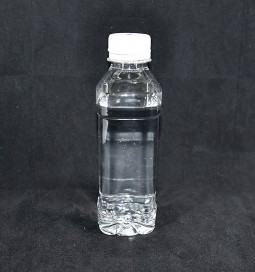
With the increasing scale and automation of industrial equipment, problems such as scale, rust, oil stains, and biological slime generated during equipment operation have become significant factors affecting production efficiency and equipment lifespan. To improve equipment operational stability and reduce maintenance costs, various multifunctional deliming agents are widely used in boilers, heat exchangers, cooling towers, central air conditioning systems, reverse osmosis equipment, and industrial circulating water systems.
A multifunctional deliming agent is a chemical preparation used to remove various types of scale and dirt, typically composed of multiple components. Its working principle mainly includes: an acid reacting chemically with scale (calcium carbonate, magnesium carbonate, etc.) or metal oxides to generate soluble substances; chelating agents increasing the solubility of inorganic scale by chelating metal ions; and surfactants encapsulating and dislodging dirt from the surface through penetration, dispersion, and emulsification. The use of descaling agents is essentially a chemical cleaning method, mainly including acid washing, alkaline washing, complexing agent cleaning, and specialized solvent cleaning. Because scale often has complex components, using only a single component, such as a certain acid, as a descaling agent is insufficient. Therefore, descaling agents generally include multiple components such as solvents, surfactants, penetrants, and corrosion inhibitors.
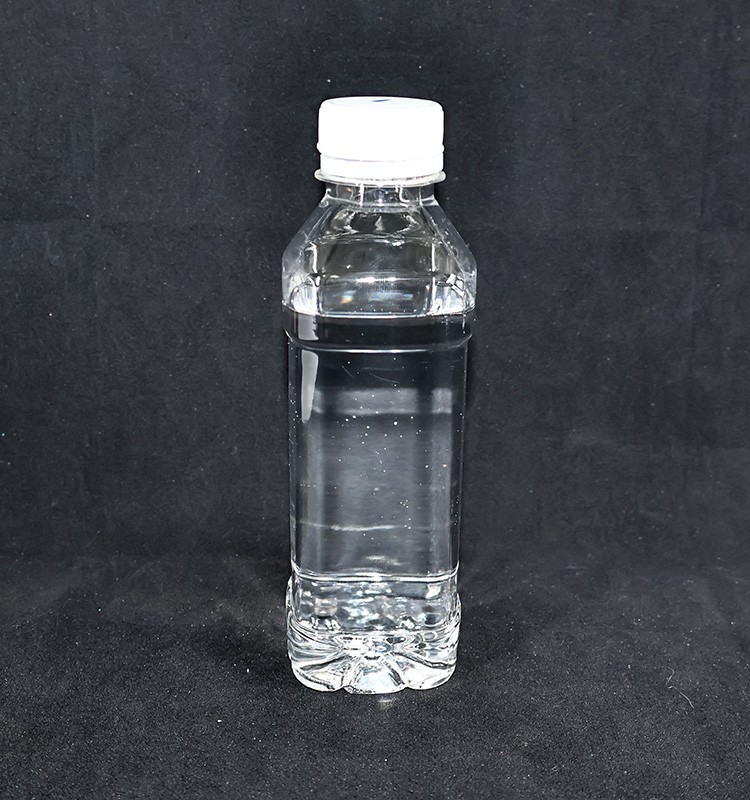
Acidic descaling agents are the most widely used and diverse type on the market. Core components include hydrochloric acid, citric acid, acetic acid, sulfuric acid, and sulfamic acid. Their working principle is that the acid reacts chemically with scale (calcium carbonate, magnesium carbonate, etc.) or metal oxides (rust) to generate water-soluble substances, thereby removing the scale. The main advantage of acidic descaling agents is their high descaling efficiency, especially effective against stubborn scale. In industrial settings, they are suitable for cleaning heavy scale in boilers, central air conditioning pipes, heat exchangers, etc.; in household settings, they are suitable for removing scale from kettles, water heaters, toilets, etc. It should be noted that strong acidic products are highly corrosive, and the concentration must be strictly controlled to avoid contact with aluminum, stainless steel, and other metal materials and skin. Common acidic descaling agents can be further subdivided into:
- Inorganic acids: including hydrochloric acid, sulfuric acid, phosphoric acid, aminosulfonic acid, etc. Among them, aminosulfonic acid is widely used in industrial cleaning due to its relatively low corrosiveness to metals and strong descaling ability.
- Organic acids: including citric acid, acetic acid, glycolic acid, etc. Citric acid is the most commonly used organic acid for household descaling. It is highly safe, has little odor, and is widely used for descaling small appliances such as kettles and coffee machines. Acetic acid is a green organic compound that produces no waste (non-toxic, non-polluting, and non-corrosive) and has a strong complexing and chelating ability for metal ions such as calcium, magnesium, and iron in water.
The core components of alkaline descaling agents include sodium hydroxide (caustic soda), sodium carbonate (soda ash), silicates, triethanolamine, etc. Their working principle is to decompose grease through saponification or to neutralize acidic dirt to achieve a cleaning effect. Alkaline descaling agents are mainly suitable for cleaning kitchen grease (range hoods, stoves, drains) and removing grease from industrial equipment (machine parts, processing equipment). They have strong dissolving power for grease and are fast-cleaning, but their strong alkalinity may corrode certain metals (such as aluminum) or damage the skin, so they should be used with caution.
Alkaline washing is generally used to remove grease and debris left during installation, or to remove deposits that are difficult to remove with acid washing, such as silicates, but it is generally not suitable for ordinary water-side dirt.
The core components of neutral descaling agents include surfactants (such as sodium alkylbenzene sulfonate), chelating agents (such as EDTA), and polymers. Their working principle is to encapsulate dirt through penetration, dispersion, and emulsification, causing it to detach from the object's surface, without relying on strong acid-base reactions.
The main advantages of neutral descaling agents are their gentleness, non-corrosiveness, wide applicability, and high safety. They are suitable for cleaning sensitive materials (glass, ceramics, high-end kitchenware, electronic device casings) and medical/food equipment (avoiding acid and alkali residues that could affect safety). The disadvantage is that it is less effective against stubborn scale or grease, requiring physical wiping.
The core components of enzyme-based descaling agents include bio-enzymes (such as lipase, protease, amylase) and microbial flora. Their working principle is to decompose organic matter (such as grease, protein, starch) through enzyme catalysis, breaking it down into small molecules that are easily soluble in water.
Enzyme-based descaling agents are suitable for food processing equipment (ovens, tableware, production line residue stains), clothing stains (collar cleaner, bio-laundry detergent), and bathroom odor cleaning (decomposing organic matter in sewers). Their advantages are that they are environmentally friendly and non-irritating, suitable for treating organic stains, and have good biodegradability; the disadvantages are that they act slowly, requiring a certain amount of time to react, and high temperatures (>60℃) will destroy enzyme activity. In recent years, the annual growth rate of bio-enzyme-based descaling agents has reached 15%, making it one of the fastest-growing subcategories in the descaling agent industry.
The core components of oxidative descaling agents include peracetic acid, sodium hypochlorite, and hydrogen peroxide. Its working principle is to destroy the chemical structure of dirt through strong oxidation, causing it to decompose or decolorize.
Oxidative descaling agents are mainly suitable for disinfection and descaling (sterilization and descaling of water dispensers and baby bottles) and removal of pigment stains (coffee stains, tea stains, yellow stains on clothing). Its advantage lies in its combined disinfection and cleaning functions, making it suitable for scenarios with high hygiene requirements; its disadvantage is that it may cause fading or damage to certain materials (such as wool and silk), requiring dilution before use.
Nano descaling agents are a newly emerging product type in recent years. Through the special surface effect and small size effect of nanomaterials, they achieve deep cleaning of micropores and complex surface structures. Currently, this type of product is still in a rapid development stage and has great application potential in the fields of precision instrument cleaning and high-end equipment maintenance.
Household descaling agents are characterized by being mild and low in toxicity, easy to operate, and suitable for daily cleaning. The main sub-types include:
- Scale Cleaner: With citric acid as the main component, used for removing scale from kettles, water heaters, and other equipment. Citric acid is highly safe and has a low odor, making it the preferred choice for household use.
- Toilet cleaner: Contains hydrochloric acid or oxalic acid, used to remove limescale and urine scale from toilets.
- Kitchen degreaser: Alkaline formula, breaks down grease through saponification, such as baking soda-based products.
- Glass descaling agent: Neutral surfactant formula, leaves no watermarks.
In addition, household descaling agents are widely used for the daily maintenance of small appliances such as water dispensers, water purifiers, and coffee machines.
Industrial descaling agents are characterized by their high specialization and high concentration of components, requiring the use of specialized equipment and operating procedures. They mainly include:
- Boiler descaling agent: A strong acid formula containing corrosion inhibitors, used to remove calcium and magnesium deposits inside boilers. After prolonged operation, boilers inevitably develop limescale and rust problems. Boiler descaling agents can dissolve limescale components such as calcium carbonate, magnesium carbonate, calcium sulfate, calcium silicate, and iron oxide. Boiler descaling agents come in both liquid and solid forms. Liquid descaling agents have the largest sales volume due to their ease of operation and ideal descaling effect.
- Pipeline descaling agents: Used for industrial pipelines and underfloor heating pipelines to dissolve rust and scale.
- Metal descaling agents: Containing hydrofluoric acid and other components, used to remove oxide scale from steel surfaces; strict protection is required.
- Heat exchanger descaling agents: Used for cleaning equipment such as central air conditioning systems, heat exchangers, condensers, evaporators, refrigeration units, air compressors, reactors, smelting furnaces, and heating systems.
Industrial descaling agents cover a wide range of industrial equipment, including boilers, cooling towers, and pipelines. They can form a protective film on metal surfaces to prevent metal corrosion and rapid scale formation.
Food-grade descaling agents are a special-purpose category. For example, food-grade citric acid is used in equipment that comes into contact with food, such as coffee machines and water dispensers, to ensure no chemical residue. These products have higher requirements for the purity and safety of raw materials and must comply with relevant food safety standards.
Automotive-specific descaling agents include radiator descaling agents (neutral formula, non-corrosive to the cooling system) and glass descaling agents.
When choosing a suitable multifunctional deliming agent, the following factors should be considered:
- Scale composition: Acidic descaling agents are suitable for carbonate scale; complexing agent cleaning methods are suitable for calcium sulfate scale; alkaline or enzyme-based descaling agents are suitable for grease-based stains; oxidizing descaling agents are suitable for pigment stains.
- Equipment material: Strong acidic descaling agents should be avoided for acid-sensitive materials (such as aluminum and zinc plating), and neutral or specialized formulas should be preferred; relatively mild pickling agents such as aminosulfonic acid can be selected for stainless steel equipment.
- Usage scenarios: For household use, products with high safety, such as citric acid, should be preferred; for industrial use, professional-grade products should be selected according to the type of equipment; food contact equipment must use food-grade descaling agents.
- Environmental requirements: For scenarios with high environmental requirements, green products such as bio-enzyme-based and phosphorus-free formulas should be preferred. - Operating Conditions: Select the appropriate form (liquid/solid) and cleaning method based on the availability of heating facilities and circulating cleaning equipment at the site.
Multifunctional deliming agents have evolved over decades from simple acidic cleaning solutions to a vast product system encompassing acidic, alkaline, neutral, enzyme-based, oxidizing, and nano-type descaling agents. From household kettles to industrial boilers, from food processing equipment to automotive cooling systems, different types of descaling agents play irreplaceable roles in their respective application scenarios. With the advancement of environmental policies and continuous technological innovation, descaling agents are rapidly evolving towards multi-functionality, high efficiency, greenness, and intelligence. When selecting a product, users should fully understand its characteristics and applicable scope, and make a scientific choice based on their actual needs.

 E-mail:jcl@jichanglong.com
 WhatsApp:+8618560709619
 Address:Block B, Polymer Materials Industry Innovation Park,No. 51, Lutai Avenue, High-tech Zone, Zibo City, Shandong Province
China vanadium inhibitors manufacturer Shandong Jichanglong Environmental Engineering Co., Ltd.
Jichanglong specializes in vanadium inhibitor , dehumidification and drying block, calcium hypochlorite disinfectant tablets, polyacrylamide and other products. With over 20 years of experience, we offer quality assurance and wholesale prices.