In modern industrial operations, water treatment technology has become a critical component in ensuring equipment safety and production efficiency. Particularly in boiler systems, circulating cooling water systems, and industrial piping systems, corrosion and scaling have long been persistent issues. These problems not only reduce heat transfer efficiency and increase energy consumption but can also lead to equipment damage and safety risks. To address these challenges, corrosion and scale inhibitors are widely used as core water treatment chemicals. By suppressing metal corrosion and preventing scale formation, they significantly enhance the operational stability of equipment. This article will provide a systematic analysis of the effective lifespan of corrosion and scale inhibitors, covering their definition, influencing factors, application scenarios, and management strategies, to help enterprises use these products more effectively.
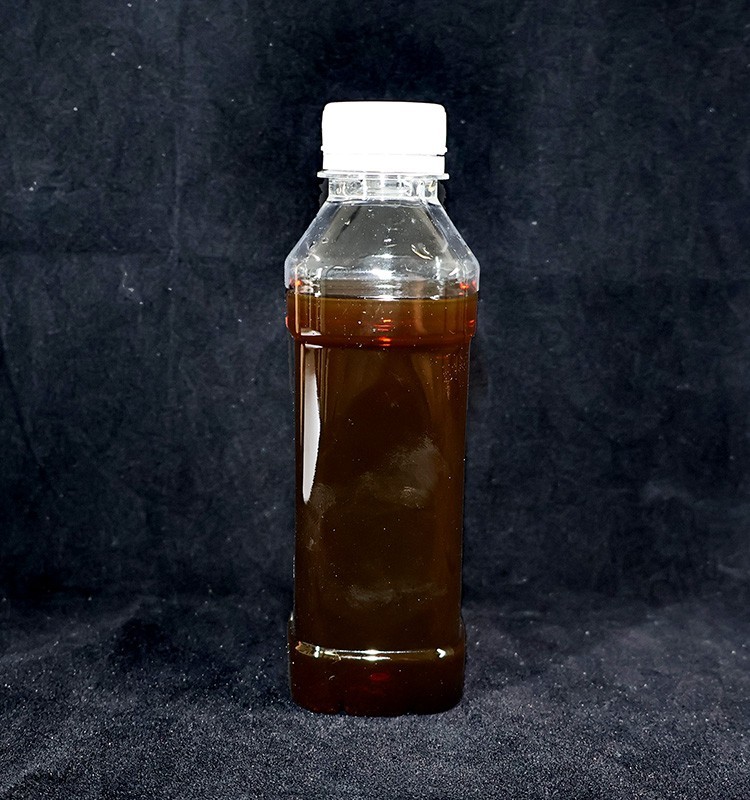
Corrosion and scale inhibitors are a type of composite water treatment chemical, typically composed of corrosion inhibitors, scale inhibitors and dispersants, chelating agents, and auxiliary additives. Their primary function is to protect water systems through the combined action of multiple mechanisms.
In terms of corrosion inhibition, the chemicals form a protective film on metal surfaces, thereby preventing oxygen, moisture, and corrosive ions from coming into contact with the metal and reducing the corrosion rate. Regarding scale inhibition, the chemicals alter crystal structures, making it difficult for calcium and magnesium ions in the water to form hard scale, while also preventing deposition through dispersion.
Different systems have varying performance requirements for these chemicals. For example, high-temperature boiler systems require agents with good thermal stability, while circulating cooling water systems place greater emphasis on long-term stability and low consumption.
In practical applications, “shelf life” can be understood on two levels: storage shelf life and service life.
- Storage shelf life refers to the period during which the product maintains stable performance when stored unused under appropriate conditions. Generally, under sealed, cool, and dry conditions, the shelf life of corrosion and scale inhibitors is 1 to 2 years. During this period, the product’s components will not undergo significant decomposition, and it can be used normally.
- The service life refers to the duration during which the chemical can continue to function effectively within an actual system. This period is not a fixed value but is closely related to water quality conditions, system operating status, and dosing methods. In continuously operating systems, the effective period is typically defined by the duration of maintained concentration rather than the duration following a single dose.
The effective period of corrosion and scale inhibitors varies significantly across different industrial systems.
(1) In circulating cooling water systems, the chemical is gradually lost due to continuous water circulation and blowdown, necessitating continuous replenishment. In this scenario, the “effective duration” is defined as the concentration maintenance cycle, and long-term stable operation can be achieved through an automatic dosing system.
(2) In boiler systems, high temperatures accelerate the decomposition of the chemicals, necessitating regular water quality testing and replenishment. High-quality products maintain stability for extended periods under high-temperature conditions, but their operational cycle still requires management to sustain.
(3) In industrial cleaning processes, corrosion and scale inhibitors are typically used for short-term, high-efficiency reactions. Their effective duration is primarily reflected in cleaning efficiency, with the process generally completed within a few hours to one day.
(4) In closed systems or during shutdown protection scenarios, corrosion and scale inhibitors can maintain protective effects over extended periods, with their effective duration potentially reaching several weeks or even months.
The shelf life of corrosion and scale inhibitors is influenced by various factors, the most significant of which include storage environment, water quality conditions, usage concentration, and system operating status.
(1) The storage environment has a significant impact on product stability. If the product is exposed to high temperatures or direct sunlight for an extended period, the active
(2) components may decompose, thereby shortening the shelf life. Conversely, in a well-sealed environment with appropriate temperatures, stability can be effectively maintained.
(3) Water quality conditions are a critical factor determining performance. The higher the water hardness, the stronger the tendency to scale, and the faster the chemical is consumed; pH fluctuations affect the stability of the corrosion-inhibiting film; and dissolved oxygen levels directly influence the rate of corrosion reactions.
(4) The concentration used is equally critical. Insufficient dosage will reduce protective effectiveness, while excessive use will increase costs and may disrupt system equilibrium. Therefore, scientific adjustments must be made based on actual operating conditions.
In addition, system operating conditions such as temperature, flow rate, and pressure also affect the rate of chemical decomposition and loss, thereby altering its shelf life.
In actual industrial applications, different scenarios impose varying requirements on corrosion and scale inhibitors, resulting in significant differences in their shelf life.
(1) In open-loop water systems, frequent evaporation and blowdown lead to rapid chemical consumption, requiring continuous replenishment; in closed systems, chemical loss is minimal, resulting in a relatively longer shelf life.
(2) In high-temperature boiler systems, chemical stability is a critical factor, necessitating the selection of high-temperature-resistant products; in low-temperature cooling systems, emphasis is placed on long-term sustained-release performance.
(3) During equipment cleaning, the effective duration of the chemicals depends primarily on reaction speed and cleaning efficiency, rather than duration.
To extend the effective duration of corrosion and scale inhibitors and improve usage efficiency, several approaches can be taken.
- For storage, products should be kept in a cool, dry environment and kept sealed to prevent air and moisture from entering.
- During use, water quality parameters such as pH, hardness, and chemical concentration should be monitored regularly, and dosage adjusted based on the results. This dynamic management approach can effectively extend the chemical’s service life.
Selecting high-quality products is equally important. High-quality corrosion and scale inhibitors typically feature a more stable structure and demonstrate longer-lasting performance in complex environments.
With increasing environmental regulations and advancements in industrial technology, corrosion and scale inhibitors are evolving toward higher efficiency, lower consumption, and greater environmental sustainability. New products extend shelf life and reduce dosing frequency by optimizing formulations and enhancing the stability of active ingredients. The application of intelligent management technologies enables real-time monitoring and automatic adjustment of chemical concentrations, achieving precise dosing. This not only improves usage efficiency but also reduces operating costs. In the future, eco-friendly and biodegradable products will become mainstream, while products with stronger adaptability to complex operating conditions—such as high temperatures and high salinity—will continue to emerge.
Overall, the effective lifespan of corrosion and scale inhibitors is not a fixed value but is determined by a combination of storage conditions, operating environment, water quality, and management practices. Under proper storage conditions, the shelf life is typically 1 to 2 years; however, in practical applications, the duration of effectiveness must be maintained through continuous management. For enterprises, scientifically selecting products, appropriately controlling dosage, and strengthening system management are key measures to extend the effective life of corrosion and scale inhibitors and improve equipment operational efficiency. By aligning product performance with actual operating conditions, optimal results can be achieved while reducing costs and enhancing equipment operational stability.

 E-mail:jcl@jichanglong.com
 WhatsApp:+8618560709619
 Address:Block B, Polymer Materials Industry Innovation Park,No. 51, Lutai Avenue, High-tech Zone, Zibo City, Shandong Province
China vanadium inhibitors manufacturer Shandong Jichanglong Environmental Engineering Co., Ltd.
Jichanglong specializes in vanadium inhibitor , dehumidification and drying block, calcium hypochlorite disinfectant tablets, polyacrylamide and other products. With over 20 years of experience, we offer quality assurance and wholesale prices.