With the continuous advancement of industrial production, commercial water usage, and water treatment technologies, reverse osmosis (RO) has become widely applied in fields such as the production of industrial purified water, seawater desalination, food and beverage manufacturing, pharmaceuticals, and electronics production. During the operation of an RO system, bacteria, algae, and other microorganisms present in the feed water can accumulate on the surfaces of pipelines, pretreatment equipment, and RO membranes. This accumulation leads to the formation of biofilms, which in turn impairs the system's water production efficiency and operational stability. To manage microbial contamination, reverse osmosis biocides have become an essential component of water treatment chemicals.
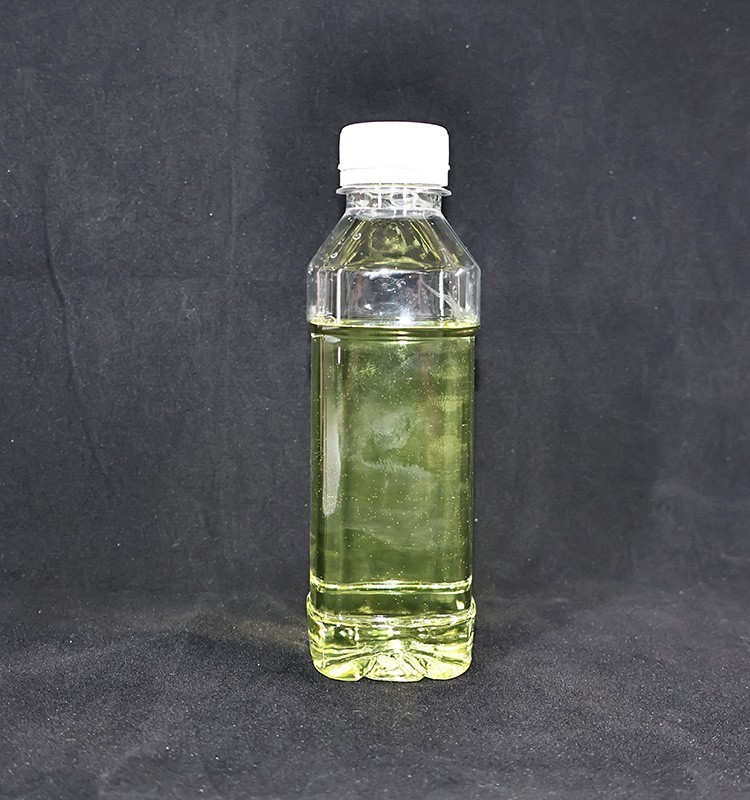
Reverse osmosis biocides are chemical products designed to control microbial contamination within reverse osmosis water treatment systems and their associated processes. RO technology utilizes a semipermeable membrane to separate dissolved salts, certain organic compounds, and other impurities from water. Under appropriate pressure, water passes through the RO membrane, while the majority of the rejected substances remain on the concentrate side, resulting in permeate that meets specific quality requirements. However, RO systems cannot rely solely on membrane filtration to resolve all microbial issues. Microorganisms from the feed water can attach themselves to the inner walls of pipelines, filtration equipment, water storage facilities, and the surfaces of membrane elements. If the nutrient levels, temperature, and hydraulic conditions within the system are favorable for microbial growth, biofilms may gradually form.
2. What are the Primary Uses of Reverse Osmosis Biocides?
(1) Controlling bacterial growth in reverse osmosis systems
Controlling bacterial growth is a key application of reverse osmosis biocides. Industrial water sources, surface water, groundwater, and even certain types of treated reclaimed water may contain various microorganisms.
Once these microorganisms enter a water treatment system, they can proliferate within the equipment if environmental conditions are suitable. Long-term accumulation not only increases the burden of maintenance but can also negatively impact the hydraulic performance of the system. Appropriate reverse osmosis biocides can inhibit or eliminate targeted microorganisms, thereby reducing the risk of sustained microbial proliferation. By selecting the right products—in conjunction with effective pretreatment and sanitary management practices—the control of microorganisms within water treatment systems can be significantly improved. However, biocides cannot replace all pretreatment measures. For feed water with a high microbial load, additional measures—such as filtration, disinfection, management of water storage facilities, and pipeline cleaning—must be considered based on actual conditions.
(2) Reducing biofilm formation on RO membrane surfaces
Biofilm is a common form of microbial contamination in reverse osmosis (RO) systems. Once microorganisms adhere to membrane surfaces or other wetted equipment surfaces, they may secrete extracellular polymeric substances (EPS), gradually forming structured microbial communities. Once formed, biofilms can increase flow resistance through the system and impair the operational performance of membrane elements. Furthermore, biofilms may accumulate alongside suspended particles, organic matter, and other contaminants, complicating cleaning and maintenance procedures.
RO biocides serve as part of a microbial control strategy, helping to mitigate the risks of microbial growth and biofilm formation. However, biocides may not fully remove mature, established biofilms; therefore, routine biocide application should not be conflated with membrane cleaning. For systems exhibiting significant microbial contamination, assessment should be based on factors such as differential pressure changes, normalized permeate flow, salt rejection rates, and other operational data, with appropriate cleaning methods selected in accordance with membrane manufacturer recommendations.
(3) Helping to maintain RO system permeate production efficiency
Microbial contamination can impact the operational efficiency of RO systems. As biofilms accumulate on membrane surfaces or within flow channels, flow resistance may increase, system differential pressure may rise, and normalized permeate flow may decline.
In some instances, operators may need to adjust operating pressures or increase maintenance frequency to maintain permeate output. Such adjustments complicate system management and can lead to higher energy and maintenance costs.
Through effective microbial control measures, RO biocides help reduce the risk of microbial contamination, thereby fostering stable system operation. It is important to note that permeate production efficiency is influenced by various factors, including feed water temperature and pressure, the degree of membrane fouling, concentrate flow rates, and the condition of the membrane elements. A drop in permeate output should not be attributed solely to microbial contamination; the root cause must be determined through an analysis of operational data and necessary testing.
(4) Reducing the burden of membrane system maintenance and cleaning
Reverse osmosis (RO) systems require regular inspection and maintenance. Equipment affected by microbial contamination may necessitate more frequent cleaning and increased time spent on troubleshooting and operational adjustments. Under appropriate process conditions, the judicious use of RO biocides can help control microbial accumulation, thereby reducing maintenance needs associated with biofouling.
However, biocides cannot guarantee the complete elimination of cleaning tasks, nor can they replace routine RO system maintenance. Water treatment systems still require regular filter inspections, influent water quality monitoring, the recording of operational parameters, and scheduled cleaning in accordance with membrane manufacturer specifications. By combining chemical treatment with equipment maintenance, enterprises can establish more stable water treatment management processes.
3. In Which Industries are RO Biocides Used?
(1) Industrial pure water production
Industries such as electronics manufacturing, metal processing, and industrial boiler operations often require water treated via reverse osmosis. While water quality requirements vary by process, system operational stability is typically a key concern for enterprises.
During industrial pure water production, microbial contamination can complicate the management of pretreatment and membrane systems. Appropriate biocides can complement filtration, disinfection, and other water treatment measures to help control microorganisms within the system.
For industries with stringent water quality requirements—such as electronics manufacturing—biocides alone cannot ensure final water quality; they must be used in conjunction with downstream purification processes, online monitoring, and rigorous hygiene management.
(2) Food and beverage industry
Food and beverage production requires water that meets relevant hygiene and quality standards. RO systems are utilized for process water preparation, the treatment of certain raw water streams, and other treatment stages aligned with system design specifications.
In these applications, microbial control strategies must integrate hygienic equipment design, cleaning and disinfection protocols, raw water management, and applicable water quality standards. While RO biocides may be used in appropriate treatment stages, the suitability of a specific product depends on factors such as its composition, potential for residue, intended application, and compliance with food production regulations. A product suitable for general industrial water treatment cannot simply be applied to systems involving food contact or drinking water without further assessment.
(3) Water Systems for Pharmaceutical and Laboratory Use
Water systems used in pharmaceutical production and laboratories are typically subject to stringent water quality management requirements. Some systems incorporate reverse osmosis (RO) as part of the water treatment process, often combined with other purification technologies to produce water that meets specific end-use standards.
In such applications, microbial control is critical—not only for the operational integrity of the equipment but also for ensuring the quality of the final water product.
Consequently, the selection of a biocide for reverse osmosis systems must undergo rigorous technical evaluation and comply with all applicable regulations, validation protocols, and equipment specifications. Certain chemicals may be suitable only for specific pre-treatment stages and must not be introduced into the final water production system. For specialized applications like pharmaceutical-grade water, a comprehensive microbial control strategy should be developed by qualified professionals with the appropriate expertise.
(4) Seawater Desalination and Brackish Water Treatment
Seawater desalination and brackish water treatment processes typically rely on reverse osmosis membranes to remove the majority of dissolved salts. Depending on the source and quality of the raw water, these systems may face various challenges, including contamination by suspended particles, organic matter, and microorganisms.
In these treatment schemes, RO-compatible biocides can help manage microbial contamination; however, their specific application depends on raw water characteristics, the pre-treatment process, and the materials used in the membranes. For seawater desalination systems, particular attention must be paid to feed water quality, the tolerance limits of the membrane modules, and requirements for brine (concentrate) discharge. Chemical treatment strategies must satisfy equipment performance standards, environmental management goals, and relevant regulatory requirements.
(5) Industrial Circulating Water and Other Water Treatment Facilities
Many industrial facilities operate a combination of reverse osmosis systems, circulating cooling water systems, water storage facilities, and other water treatment equipment. While all these systems require microbial management, their operating conditions and chemical requirements differ significantly.
A biocide suitable for a circulating cooling water system may not be appropriate for a reverse osmosis membrane system. Even if products share similar biocidal functions, they may differ in terms of membrane compatibility, residual levels, and downstream processing requirements.
Therefore, when procuring and using chemicals, products should be selected based on the specific equipment and processes involved, rather than relying solely on the generic label "biocide" to determine their suitability.
4. How to Select the Appropriate Biocide for Reverse Osmosis Systems?
(1) Understand the quality of the raw water and the extent of microbial contamination. Since microbial loads and organic matter content can vary significantly depending on the water source, it is essential to assess primary contamination risks by reviewing water quality test results and operational records.
(2) Verify the material type of the reverse osmosis (RO) membranes and the specifications provided by the manufacturer. For common polyamide membranes, pay particular attention to the product’s oxidative properties, membrane compatibility, and requirements for controlling residual levels.
(3) Clarify the intended application stage for the product. Some biocides are designed for pretreatment upstream of the RO system, while others are intended for specific maintenance procedures. Product labels and technical documentation should clearly state the appropriate scope of use.
(4) Evaluate the technical performance of the product. Beyond its efficacy in controlling target microorganisms, consider factors such as product stability, compatibility with other water treatment chemicals, potential for residual buildup, and impact on downstream processes.
(5) Assess the supplier’s technical support and quality management capabilities. A reliable supplier should be able to provide technical data sheets, safety data sheets (SDS), information on operating conditions, and necessary compatibility data.
5. What Precautions Should Be Taken When Using Biocides for Reverse Osmosis Systems?
(1) Use the product strictly in accordance with the manufacturer’s instructions and approved operational protocols. Do not alter the intended use or arbitrarily increase the dosage. Excessive dosing does not necessarily improve treatment efficacy and may instead increase risks related to chemical residues, material incompatibility, and wastewater treatment.
(2) Avoid mixing different chemicals. Certain water treatment agents may react adversely, compromising treatment effectiveness or even creating safety hazards. The compatibility of different products should be determined based on technical documentation and professional assessment.
(3) Consider the tolerance of the membrane material. The suitability of any biocide must be verified, especially when it will come into direct contact with membrane elements. For products that require rinsing, removal of residues, or specific maintenance procedures, strictly follow the processes prescribed by the manufacturer.
(4) Ensure proper personnel protection and chemical storage management. Operators must read the safety data sheets (SDS), use required personal protective equipment (PPE), and store products in designated environments, ensuring they are kept away from incompatible substances.
(5) Establish a system for operational monitoring. Regularly recording parameters such as feed water quality, system pressure differential, permeate flow rate, and salt rejection rate helps in the timely detection of anomalies and facilitates decisions on whether adjustments to the treatment strategy are necessary.
In general, the primary purpose of biocides for reverse osmosis (RO) systems is to control microbial growth, thereby reducing the risk of biofilm formation and supporting the stable operation of the RO system. These products are valuable in applications such as industrial pure water production, seawater desalination, water treatment for the food and beverage industry, and other industrial contexts for which the products are intended.
As industrial water treatment technologies continue to evolve, microbial control will remain a critical component of RO system operation and management. By selecting appropriate biocides—complemented by effective pretreatment, membrane cleaning, operational monitoring, and equipment maintenance—enterprises can more successfully manage the risks of biofouling, while enhancing the operational stability and overall efficiency of their water treatment systems.

 E-mail:jcl@jichanglong.com
 WhatsApp:+8618560709619
 Address:Block B, Polymer Materials Industry Innovation Park,No. 51, Lutai Avenue, High-tech Zone, Zibo City, Shandong Province