With the continuous advancement of mineral resource development and mineral processing technologies, the mining industry faces increasingly stringent requirements for slurry handling, tailings dewatering, wastewater purification, and water recycling. Processes such as ore crushing, grinding, separation, and thickening generate large volumes of slurry and wastewater containing fine mineral particles. These fine particles tend to remain suspended in water for extended periods due to slow natural settling rates, necessitating effective solid-liquid separation methods.
Flocculants are commonly used chemical agents in water treatment and mineral processing. So, what role do flocculants play in mining?
Simply put, flocculants are primarily used to promote the aggregation of fine solid particles within slurry or wastewater. They cause tiny, slow-settling particles to clump together into larger "flocs," thereby enhancing the efficiency of settling, thickening, filtration, and dewatering processes. They are applied across various stages, including mineral processing, tailings management, mine wastewater treatment, and water recycling systems.
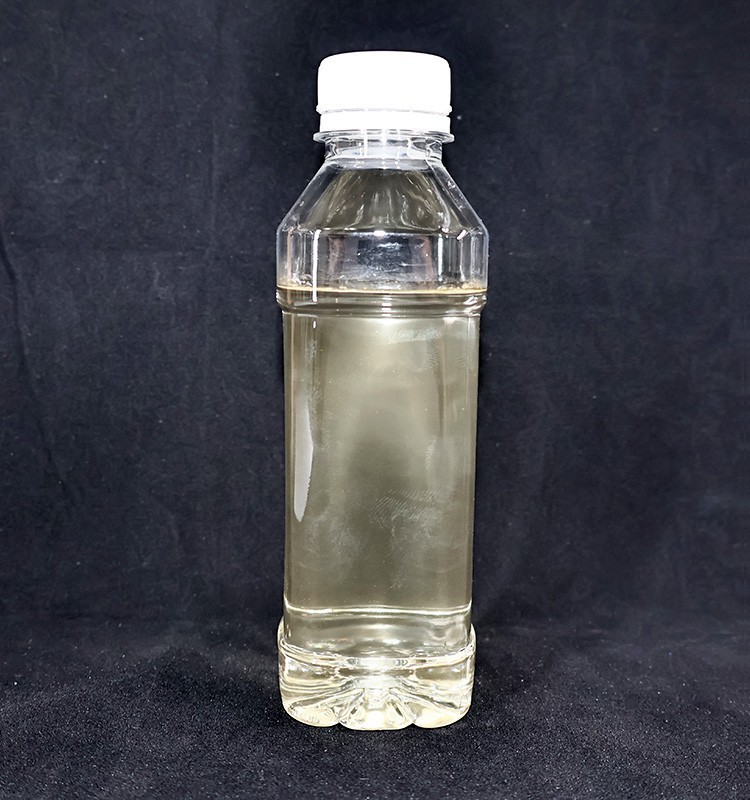
Flocculants used in the mining industry are chemical agents that facilitate the aggregation of fine solid particles within a slurry. After ore undergoes crushing and grinding, mineral particles of varying sizes are produced. Some of these particles are extremely fine and can remain suspended in water for a long time. Relying solely on gravity settling often results in slow separation times or fails to achieve the desired solid-liquid separation efficiency quickly.
When a suitable flocculant is added, the interactions between fine particles change; under the influence of agitation and water flow, the particles collide and aggregate, eventually forming larger flocs. These flocs settle more readily and are easier to separate using filtration equipment.
The basic mechanism of flocculant action can be summarized as follows: slurry or wastewater enters the treatment system → flocculant is added → the agent interacts with fine particles → particles aggregate to form flocs → flocs settle or are filtered → solid-liquid separation occurs. Different minerals vary in surface properties, particle size, and slurry composition; consequently, the type and dosage of flocculant required also differ. In actual production, it is usually necessary to determine the appropriate reagent type, concentration, dosage, and agitation conditions through experimental testing.
Slurry thickening is a crucial step in mineral processing. Following grinding and separation, the slurry typically contains a large number of fine solid particles. If allowed to settle directly, these fine particles may settle slowly. The addition of flocculants causes fine mineral particles to aggregate into larger flocs, thereby increasing the settling rate. Within thickening equipment, flocculants accelerate the downward settling of solid particles, facilitating the separation of the supernatant water from the solids. The thickened slurry proceeds to subsequent processing stages, while the supernatant can be further treated or recycled, depending on water quality requirements.
Tailings are a significant solid waste product of mineral processing, typically containing a large proportion of fine particles and moisture. Tailings treatment must address issues such as safety, dewatering efficiency, and water recovery. During tailings thickening, flocculants promote the formation of larger flocs from fine tailings particles, thereby improving settling performance. Thickening allows for the separation of some moisture from the tailings, which can then be recovered and reused according to the specific process. Additionally, the thickened tailings can undergo further dewatering processes, such as filtration or pressure filtration. Thus, flocculants serve as important auxiliary reagents in many tailings treatment systems.
Yes. Fine particles in tailings typically possess a high specific surface area and a strong affinity for water, making mechanical dewatering difficult. The appropriate use of flocculants enables fine particles to form flocs with distinct structures. Larger flocs facilitate the release of water from between solid particles, thereby improving subsequent filtration and pressure filtration processes.
It should be noted, however, that flocculants cannot accomplish tailings dewatering on their own. In actual production, processes often need to be combined with thickening, filtration, filter pressing, or other dewatering equipment. Flocculants primarily serve to improve particle aggregation and conditions for solid-liquid separation.
Mining operations generate various types of wastewater, such as mine drainage, mineral processing wastewater, tailings treatment water, and equipment wash water.
These waters may contain suspended solids, fine mineral particles, and other contaminants. Flocculants can be used in certain stages of mine wastewater treatment to promote the aggregation of suspended particles, thereby enhancing sedimentation and solid-liquid separation efficiency. Following flocculation and sedimentation, a portion of the suspended matter is removed, creating favorable conditions for subsequent filtration or other water treatment processes. For mine water intended for recycling, appropriate flocculation treatment can also help reduce the load of solid particles.
The mining industry encompasses the extraction of iron, copper, gold, lead-zinc, coal, and other mineral resources. Since different minerals possess distinct chemical properties and particle surface characteristics, the requirements for flocculants vary accordingly.
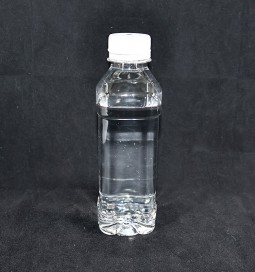
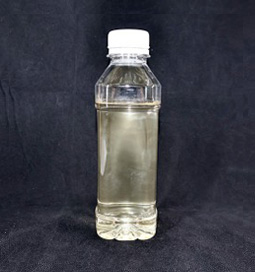
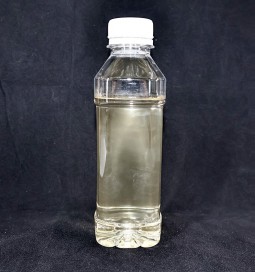
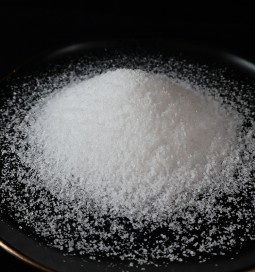
Flocculants are generally categorized into organic and inorganic types. Polyacrylamide-based products are widely used in mineral processing. Specific product types can be selected based on molecular structure and charge characteristics; for instance, anionic, cationic, and non-ionic polyacrylamides are suited to different operating conditions. The specific choice depends on the properties of the mineral slurry and experimental results.
(1)Proper product selection: The appropriate flocculant must be chosen based on the mineral type, particle characteristics, and water quality.
(2)Control of solution concentration: The concentration at which the flocculant is prepared affects its dispersion and overall performance.
(3)Ensuring thorough mixing: The reagent requires adequate contact with the mineral slurry; however, excessive agitation may break apart the flocs that have already formed.
(4)Control of dosing location: Selecting an optimal dosing point ensures more uniform mixing of the flocculant with the mineral slurry.
(5)Adjustments based on actual operating conditions: Ore properties, slurry concentration, and water quality may fluctuate during production; therefore, relying on completely fixed parameters without adjustment over the long term is not feasible.
The modern mining industry places increasing importance on water reuse. Mining operations typically require large volumes of industrial water; if treated water meets relevant process requirements, it can be partially recycled back into the production system. Flocculants can be used in the circulating water treatment process to reduce the load of solid particles in the water by promoting the aggregation and settling of suspended particles. Following subsequent treatments such as sedimentation and filtration, a portion of the water can be reintroduced into the production system. This reduces the demand for fresh water and helps improve the level of industrial water recycling. Specific reuse methods must be determined based on local environmental regulations, water quality standards, and production processes.
Using flocculants in appropriate mining processes offers the following key benefits:
(1) Increasing the settling rate of fine particles: By forming larger flocs, fine particles settle more easily.
(2) Improving slurry thickening performance: Facilitates solid-liquid separation and enhances the operational efficiency of thickening equipment.
(3) Assisting in tailings dewatering: Improves the aggregation state of tailings particles, creating favorable conditions for filtration and pressure filtration.
(4) Aiding in mine wastewater treatment: Promotes the removal of suspended solids and reduces the load on subsequent treatment stages.
(5) Facilitating water recycling: Supports the reuse of industrial water in mining operations, provided water quality requirements are met.
Flocculants are primarily used to promote the aggregation of fine solid particles in slurries, tailings, and mine wastewater, causing them to form flocs that settle and filter more easily, thereby improving solid-liquid separation. In the mining industry, flocculants are applied in various stages, including slurry thickening, tailings treatment, tailings dewatering, solid-liquid separation in mineral processing plants, and mine wastewater treatment. The proper use of flocculants can help improve the settling efficiency of fine particles, enhance thickening and filtration performance, and support water recycling in mining operations.

 E-mail:jcl@jichanglong.com
 WhatsApp:+8618560709619
 Address:Block B, Polymer Materials Industry Innovation Park,No. 51, Lutai Avenue, High-tech Zone, Zibo City, Shandong Province
China vanadium inhibitors manufacturer Shandong Jichanglong Environmental Engineering Co., Ltd.
Jichanglong specializes in vanadium inhibitor , dehumidification and drying block, calcium hypochlorite disinfectant tablets, polyacrylamide and other products. With over 20 years of experience, we offer quality assurance and wholesale prices.