In fields such as chemical manufacturing, water treatment, industrial cleaning, environmental protection, and laboratory analysis, pH levels are a critical factor influencing production processes and treatment outcomes. When a solution becomes excessively acidic or alkaline, it can negatively affect equipment operation, product quality, the efficiency of chemical reactions, and compliance with wastewater discharge standards. To adjust the acid-base properties of a system, a specific type of chemical—known as a neutralizing agent—is commonly employed.
Neutralizing agents function through chemical reactions that mitigate the impact of excess acidic or alkaline substances, bringing the system’s pH level within a target range. Depending on the specific application and process requirements, neutralizing agents are used in areas such as industrial wastewater treatment, chemical production, metal surface treatment, soil remediation, industrial cleaning, and various manufacturing processes. Because different applications have distinct requirements regarding chemical composition, reaction kinetics, dosage, and desired treatment results, selecting the appropriate product is essential.
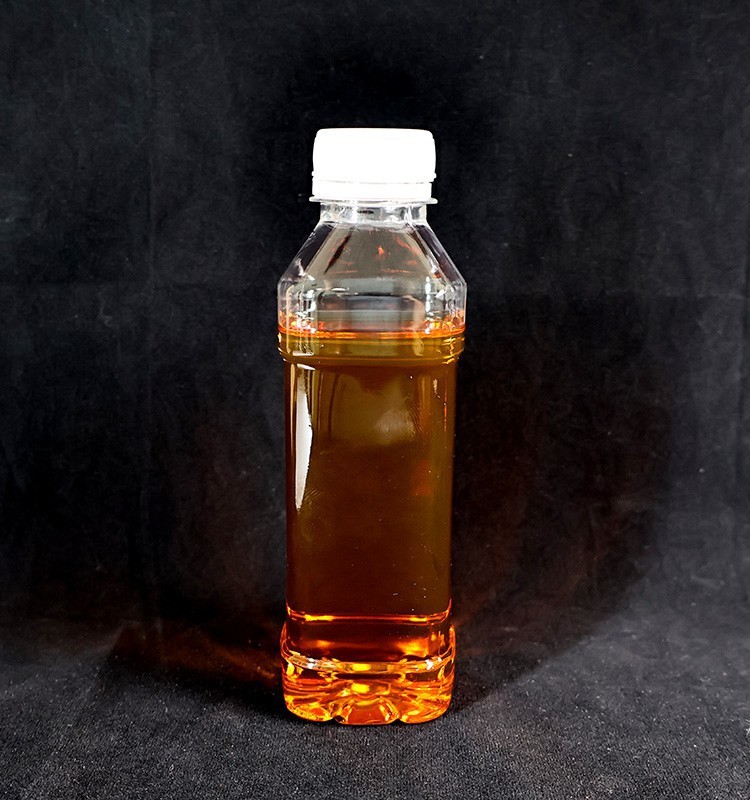
A neutralizing agent is a chemical reagent used to adjust the acid-base properties of a substance. It typically reacts with acidic or alkaline components to reduce excessive acidity or alkalinity, thereby bringing the system’s pH value into the required range. In aqueous solutions, pH is the standard measure of acidity or alkalinity. Generally, an aqueous solution with a pH below 7 is acidic, a pH near 7 is neutral, and a pH above 7 is alkaline. However, the optimal pH range for an industrial system depends on the specific process, chemical composition, temperature, and treatment objectives; it is not always necessary to adjust the pH to exactly 7.
For instance, in the treatment of acidic wastewater, an appropriate alkaline neutralizing agent can be used to reduce acidity, while in the treatment of alkaline wastewater, an acidic neutralizing agent can be used to lower alkalinity. Such adjustments can prepare the wastewater for subsequent treatment stages. It is important to note that neutralizing agents are not exclusively used to achieve a perfectly neutral state. In many industrial processes, maintaining a specific, controlled level of acidity or alkalinity is actually more beneficial for production. Therefore, the suitability of a neutralizing agent should always be determined based on specific process requirements and the ultimate treatment goals.
The most common neutralization reaction occurs between acidic and basic substances. For example, hydrochloric acid reacts with sodium hydroxide to produce sodium chloride and water. The chemical equation for this reaction is: HCl + NaOH → NaCl + H₂O.
In this reaction, hydrochloric acid provides the acidic component, while sodium hydroxide provides the basic component. When the two react in appropriate proportions, the acidity or alkalinity of the original solution is reduced. In industrial applications, the dosage of a neutralizing agent cannot be determined based on experience alone. Wastewater or process liquids may contain buffering agents, various other acidic or basic components, and impurities that can participate in the reaction; therefore, determinations must be based on water quality analysis, experimental results, and on-site monitoring.
Neutralizing agents are frequently used to control pH levels during production processes. Changes in pH are influenced not only by the concentration of acidic or basic substances but also by the solution's buffering capacity, reaction equilibrium, and temperature. For instance, some types of wastewater may have a low initial pH but contain substances that continuously release acid. Relying solely on the initial pH to determine the dosage of a neutralizing agent may prove insufficient for treatment requirements. Similarly, some alkaline wastewater may possess high alkalinity, necessitating a comprehensive analysis to establish an appropriate treatment strategy. Consequently, industrial neutralization processes typically require a combination of pH monitoring, titration tests, or bench-scale experiments to determine the optimal type and dosage of the neutralizing agent.
Neutralization reactions do not always result exclusively in the formation of water and soluble salts. In certain treatment systems, a neutralizing agent may also react with metal ions or other chemical components present in the solution, leading to the formation of precipitates or other products. For example, in the treatment of specific industrial wastewaters, the addition of an appropriate alkaline substance can cause certain metal ions to form insoluble hydroxide precipitates. While this facilitates subsequent solid-liquid separation, the actual outcome depends on factors such as the type of metal present, the pH range, the presence of complexing agents, other ions, and specific process conditions. Therefore, when using neutralizing agents, one must consider not only changes in pH, but also reaction products, the volume of sludge generated, downstream separation requirements, and final discharge standards.
Alkaline neutralizing agents are primarily used to reduce the acidity of acidic systems. Common examples include sodium hydroxide, calcium hydroxide, sodium carbonate, and sodium bicarbonate. Sodium hydroxide, being strongly alkaline, reacts rapidly with acids when dissolved in water; it is therefore frequently used for pH adjustment in industrial wastewater treatment and chemical production processes. However, due to its corrosive nature, its dosage must be strictly controlled, and appropriate protective measures must be taken. While all these substances can be used to adjust acidic systems, they differ in terms of reaction rate, solubility, cost, residual ions, and operational risks; they cannot be arbitrarily substituted for one another.
Acidic neutralizing agents are primarily used to adjust alkaline systems. Common examples include hydrochloric acid, sulfuric acid, certain organic acids, and specialized acidic adjustment products. Hydrochloric acid is a common inorganic acid used in various industrial processes and for pH adjustment in wastewater. It reacts quickly but is corrosive; its use requires careful consideration of equipment materials, personnel protection, and the potential impact of chloride ions on downstream processes.
Sulfuric acid can also be used for pH adjustment in specific industrial systems. Its application requires accounting for the heat generated by the reaction, the formation of sulfates, and the tolerance of the treatment system toward these ions. It should be noted that acidic neutralizing agents are not suitable for all types of alkaline wastewater. Selection should be based on a comprehensive assessment of the target pH, heat of reaction, corrosion risks, residual salts, and downstream treatment requirements.
Some industrial neutralizing agents are formulated products developed for specific treatment needs, potentially containing a blend of various acid-base adjustment components or other functional ingredients. Such products can be designed for specific processes, though their exact composition and scope of application vary by manufacturer. When procuring compound neutralizing agents, it is essential to understand the primary categories of their constituents, their effective pH range, recommended operating conditions, and relevant safety data. One cannot infer from a product's name alone that it is capable of addressing all types of acid-base issues, nor should it be assumed that blended products from different brands possess identical reaction performance.
Industrial wastewater treatment is a key application area for neutralizing agents. Manufacturing activities—such as those in the chemical, electroplating, metal processing, textile, and papermaking industries—can generate acidic or alkaline wastewater. If the pH of the wastewater falls outside the optimal range for subsequent treatment processes, it may negatively impact pollutant removal efficiency, the operation of treatment equipment, and compliance with final discharge standards. During wastewater treatment, an acidic or alkaline neutralizing agent can be selected—based on water quality analysis—to adjust the pH to the range required for downstream processes. For instance, certain biochemical treatment systems must be maintained within a specific pH range to ensure the continued, healthy activity of microorganisms.
In chemical manufacturing, many reactions require specific acid-base conditions. Fluctuations in pH can affect reaction rates, product stability, substance solubility, and the quality of the final product. Neutralizing agents are used to adjust the acid-base properties of a reaction system, control residual acidity or alkalinity upon the completion of a reaction, or help the production process meet predefined operational parameters.
For example, in various chemical synthesis, formulation, and post-processing stages, neutralization reactions are employed to adjust the acid-base balance of the product system. In practice, the type of neutralizing agent and the method of its addition should be determined based on the specific process design, while also accounting for potential effects such as exothermic heat generation, the release of gases, or the formation of by-products.
Metal processing and surface treatment often involve procedures such as acid pickling, alkaline cleaning, and degreasing. The waste liquids or rinse waters generated by these processes can be highly acidic or alkaline, necessitating adjustment through appropriate neutralization. For example, certain acidic pickling wastewater can be treated with an alkaline neutralizing agent to adjust its pH; under the right conditions, this can also facilitate the precipitation and subsequent solid-liquid separation of metal ions. The specific treatment process should be designed based on the types and concentrations of metals present, as well as other chemical constituents in the wastewater.
It should be noted that neutralizing agents cannot serve as a substitute for all chemicals used in metal surface treatment. Neutralizing agents used for wastewater treatment may differ significantly in terms of function and quality requirements from specialized products used in metal surface treatment; therefore, the intended application should be clearly specified at the time of procurement.
In certain industrial circulating water, process water, and other water treatment systems, neutralizing agents can be used to adjust the pH of the water to meet the requirements for equipment operation or subsequent treatment stages. The pH level of the water can influence corrosion, scaling, disinfection efficacy, and other water treatment processes. Consequently, pH adjustment is often a key measure for maintaining the stable operation of such systems.
It should be noted, however, that the use of a neutralizing agent alone cannot automatically resolve all issues related to corrosion and scaling. Factors such as water hardness, alkalinity, dissolved salts, temperature, and flow rate also affect the condition of the equipment. Practical treatment strategies should be developed based on water quality analysis and specific system operating conditions.
In certain soil improvement and environmental remediation projects, neutralizing agents may be used to adjust the pH of the soil or other treatment media. For instance, some acidic soils can be amended using calcium-based alkaline materials, following a professional assessment. It is important to recognize, however, that adjusting the pH of soil differs from neutralizing aqueous solutions. Factors such as the soil's buffering capacity, mineral composition, organic matter content, and moisture level all influence the effectiveness of the treatment. Therefore, the type and dosage of the material must be determined based on soil test results; one cannot simply apply methods used in water treatment directly to soil.
- Neutralizing agents help control the pH of a system. For production processes that require a specific pH range, stable pH conditions help minimize process fluctuations and improve the performance of subsequent treatment stages.
- Neutralizing agents serve as an essential component in wastewater pretreatment. By adjusting the pH to an appropriate range, they create more favorable conditions for processes such as coagulation, sedimentation, biological treatment, or other treatment steps.
- Proper pH control helps mitigate certain operational risks. Highly acidic or alkaline environments can increase the risk of equipment corrosion or compromise the stability of specific materials and treatment systems. Adjusting the pH according to actual conditions enhances the controllability of system operations. - Suitable neutralizing agents often offer advantages such as ease of handling, broad applicability, and compatibility with automated control systems. In continuous production systems, control precision can be enhanced through the use of online pH monitoring and automated dosing equipment.
Neutralizing agents are a class of essential chemicals used to adjust the acid-base properties of a system via acid-base reactions. They are widely applied in fields including industrial wastewater treatment, chemical manufacturing, metal surface treatment, water treatment systems, and environmental remediation. Their primary value lies in facilitating pH control, establishing optimal conditions for downstream processes, and enhancing the stability of various production operations. For industrial enterprises, the recommended approach is to first define specific treatment objectives, then determine the appropriate products and operational protocols based on water quality analysis, technical documentation, and necessary testing. Furthermore, strict adherence to chemical safety management requirements is essential, encompassing proper storage, dosing, monitoring, and waste disposal.
As requirements for industrial production and environmental management continue to evolve, neutralizing agents will remain vital for acid-base control and industrial treatment processes. Through scientific selection, standardized operational procedures, and continuous monitoring, enterprises can more effectively manage process conditions, thereby supporting stable production and ensuring regulatory compliance.

 E-mail:jcl@jichanglong.com
 WhatsApp:+8618560709619
 Address:Block B, Polymer Materials Industry Innovation Park,No. 51, Lutai Avenue, High-tech Zone, Zibo City, Shandong Province
China vanadium inhibitors manufacturer Shandong Jichanglong Environmental Engineering Co., Ltd.
Jichanglong specializes in vanadium inhibitor , dehumidification and drying block, calcium hypochlorite disinfectant tablets, polyacrylamide and other products. With over 20 years of experience, we offer quality assurance and wholesale prices.