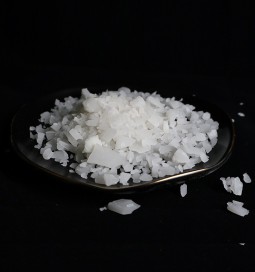
Aluminum sulfate is a common inorganic compound with wide applications in water treatment, papermaking, textiles, printing and dyeing, construction, and industrial production. Especially in drinking water and industrial wastewater treatment, aluminum sulfate is frequently used as a coagulant, helping to improve water quality by promoting the aggregation and sedimentation of suspended solids and colloidal particles.
From a chemical safety perspective, aluminum sulfate cannot be simply classified as "toxic" or "non-toxic." Its health risks are related to the mode of exposure, concentration, duration of exposure, and individual exposure status. When used normally according to product instructions and relevant industry standards, aluminum sulfate can be used as a common industrial and water treatment chemical; however, direct contact with high concentrations of aluminum sulfate, or prolonged exposure to high-contamination environments such as dust or solutions, may cause irritation to the skin, eyes, respiratory tract, and digestive system. Therefore, a correct understanding of the properties, usage methods, and safety precautions of aluminum sulfate is crucial for reducing unnecessary health risks.
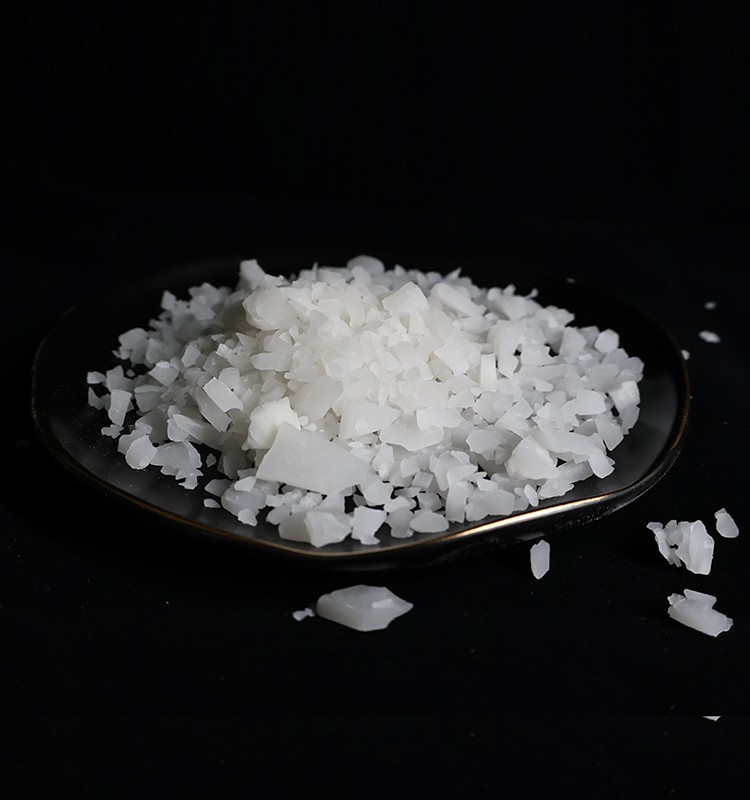
Aluminum sulfate is an inorganic aluminum salt, usually represented by the chemical formula Al₂(SO₄)₃. Aluminum sulfate is generally a white or light-colored solid, and industrial products can exist in powder, granule, or liquid form. It has good water solubility, ionizes in water, and participates in a series of chemical reactions, thus it is widely used in water treatment.
Currently, aluminum sulfate is mainly used in: drinking water treatment; industrial wastewater treatment; sewage treatment; papermaking; textiles; dyeing and printing; building materials; and industrial production. Water treatment is one of the most important applications of aluminum sulfate.
The most important water treatment function of aluminum sulfate is coagulation.
Natural water and industrial wastewater usually contain a large number of fine suspended particles, colloids, and organic matter. These particles are very small and often carry a certain electrical charge, making them difficult to remove naturally by ordinary sedimentation. When aluminum sulfate is added to water, it undergoes a hydrolysis reaction and forms a flocculating substance. This substance can adsorb and encapsulate the fine particles in the water, causing them to gradually aggregate into larger flocs. As the volume and weight of the flocs increase, they gradually settle, thus helping to reduce the turbidity of the water.
Therefore, aluminum sulfate does not simply "kill pollutants in water," but rather helps remove suspended impurities through processes such as coagulation, adsorption, and sedimentation.
Answering this question requires distinguishing between normal use and improper exposure. Aluminum sulfate is an industrial chemical and is not suitable for direct ingestion by the human body. High concentrations or improper contact may cause irritation.
Generally, the following routes of exposure to aluminum sulfate should be emphasized: skin contact, eye contact, inhalation of dust, and accidental ingestion or large amounts. During normal industrial operations, as long as it is used in accordance with the product safety data sheet, company safety operating procedures, and relevant regulations, and personal protective equipment is used, the risk of exposure can be significantly reduced.
Therefore, a more accurate statement is: aluminum sulfate may cause irritation or harm to the human body under improper exposure or high concentration conditions, but proper use can effectively reduce health risks.
Aluminum sulfate solutions are usually acidic; therefore, direct skin contact with high concentrations may cause irritation. Possible side effects: Skin redness; dryness; stinging; discomfort; irritating skin reactions after prolonged contact. Specific effects depend on the concentration of aluminum sulfate, duration of contact, and individual skin condition.
If prolonged contact with aluminum sulfate is required during work, wear appropriate protective gloves and clothing, and avoid prolonged contact of the chemical with the skin. In case of obvious contact, follow the product safety instructions immediately. If persistent irritation or significant discomfort occurs, seek professional medical help immediately.
Eyes are highly sensitive to chemicals. High concentrations of aluminum sulfate solution or powder entering the eyes can cause significant irritation, including: tearing; stinging; redness; and visual disturbances. Therefore, dust and liquid should be kept away from the eyes during the production, transportation, and application of aluminum sulfate.
Industrial operators typically need to wear safety goggles or face protection depending on the site risks. In case of eye contact, immediately flush according to the emergency treatment requirements in the product safety data sheet and seek professional medical evaluation as needed based on symptoms.
Powdered aluminum sulfate may generate dust during handling, unpacking, or addition. If the working environment is poorly ventilated, long-term inhalation of high concentrations of dust may irritate the nasal cavity, throat, and respiratory tract. Possible symptoms include: coughing; nasal irritation; throat discomfort; and respiratory irritation. Therefore, when using powdered aluminum sulfate, dust generation should be minimized as much as possible, and good ventilation should be maintained in the workplace. Industrial enterprises should also take appropriate respiratory protection measures based on site risks.
This is one of the most pressing concerns for consumers. Aluminum sulfate, as a coagulant, can be used in certain drinking water treatment processes, but its use must be strictly controlled. In standardized water treatment processes, aluminum sulfate participates in the coagulation reaction, forming flocs, which are then removed through subsequent processes such as sedimentation and filtration.
Therefore, determining the safety of drinking water treatment cannot solely rely on whether aluminum sulfate was used; a comprehensive consideration should be given to: raw water quality; aluminum sulfate product quality; dosage; water treatment process; pH value; coagulation effect; sedimentation effect; filtration effect; and final effluent test results.
Professional water treatment systems typically require coagulant dosing tests based on the raw water conditions and optimization of operating parameters through online or laboratory testing.
This is a very important question in the water treatment industry. Aluminum sulfate itself contains aluminum, so improper dosage, poor coagulation conditions, or inadequate control of subsequent treatment processes may affect the residual aluminum level in the final effluent. However, this does not mean that using aluminum sulfate will necessarily lead to unsafe drinking water.A reasonable water treatment process usually improves aluminum removal by optimizing: pH; coagulant dosage; stirring conditions; flocculation time; sedimentation time; and filtration efficiency.Therefore, professional water plants do not simply add large amounts of aluminum sulfate, but rather control it precisely based on the raw water quality and treatment effect.
Besides drinking water treatment, aluminum sulfate is widely used in industrial wastewater treatment. It helps remove: suspended solids; colloidal particles; some organic pollutants; some color substances; and some metal ion-related pollutants. In papermaking, textile, printing and dyeing, and other industrial production, aluminum sulfate can help reduce wastewater turbidity and some pollution load through coagulation.
However, aluminum sulfate cannot solve all types of water pollution problems on its own. For complex industrial wastewater, it is usually necessary to combine processes such as coagulation sedimentation + filtration + biological treatment + membrane treatment to establish a complete water treatment system based on the specific type of pollutant.
The papermaking industry is an important traditional application area for aluminum sulfate. In the papermaking process, aluminum sulfate can be used as an additive in processes such as sizing, and can also improve some chemical conditions in the papermaking process. Aluminum sulfate has the characteristics of relatively economical price and mature application technology, so it has maintained a certain application value in the papermaking industry for a long time. With the development of modern papermaking technology, some production enterprises are also adjusting their aluminum sulfate usage plans according to environmental protection requirements and paper performance needs.
To reduce the risk of chemical accidents, aluminum sulfate should be stored in accordance with product safety requirements. The storage area should be kept dry and well-ventilated, and should be kept away from incompatible substances. For powdered products, moisture protection is essential. For liquid products, suitable storage containers and conveying equipment are required. Furthermore, aluminum sulfate should be clearly labeled to avoid confusion with other chemicals. Industrial enterprises should also establish comprehensive chemical management systems, including warehousing, storage, transportation, dosing, and waste disposal.
Proper operation is crucial for reducing the health risks associated with aluminum sulfate.
(1) Workers should receive basic chemical safety training to understand the product properties and emergency response methods.
(2) Appropriate personal protective equipment should be selected based on the actual working environment.
(3) During the dosing of powdered aluminum sulfate, dust dispersion should be minimized as much as possible.
(4) Direct contact with the product by hand should be avoided.
(5) Good ventilation should be ensured in the work area.
(6) Use should be strictly in accordance with the product technical specifications and safety data sheets. For large-scale water treatment projects, storage equipment, dosing pumps, pipelines, and valves should be inspected regularly to prevent leaks.
Aluminum sulfate cannot be simply categorized as "toxic" or "non-toxic." It is a widely used chemical in water treatment and industrial production, and has clear industrial value when used according to regulations. However, high concentrations or improper contact can cause irritation to the skin, eyes, respiratory tract, and digestive system; therefore, appropriate safety measures must be taken during production, transportation, storage, and use.
In the water treatment industry, aluminum sulfate primarily helps remove suspended solids and colloidal impurities through processes such as coagulation, flocculation, and sedimentation. For drinking water treatment, the key is not simply whether to use aluminum sulfate, but rather to focus on product quality, scientific dosing, water treatment processes, and final effluent testing.
With the continuous development of modern water treatment technology, aluminum sulfate will continue to play an important role in drinking water treatment, industrial wastewater treatment, papermaking, and other industries. At the same time, more precise automatic dosing, more comprehensive water quality monitoring, and more standardized chemical management will further improve the safety and environmental protection level of aluminum sulfate usage.

 E-mail:jcl@jichanglong.com
 WhatsApp:+8618560709619
 Address:Block B, Polymer Materials Industry Innovation Park,No. 51, Lutai Avenue, High-tech Zone, Zibo City, Shandong Province
China vanadium inhibitors manufacturer Shandong Jichanglong Environmental Engineering Co., Ltd.
Jichanglong specializes in vanadium inhibitor , dehumidification and drying block, calcium hypochlorite disinfectant tablets, polyacrylamide and other products. With over 20 years of experience, we offer quality assurance and wholesale prices.