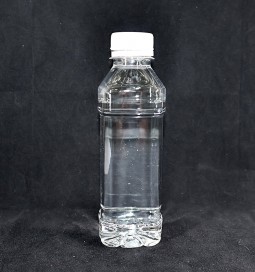
As global industrialization progresses, fluoride contamination in groundwater, surface water, and certain industrial wastewaters has garnered increasing attention. While appropriate levels of fluoride benefit dental and skeletal health, concentrations exceeding safety standards—whether in drinking water or industrial discharges—can adversely affect human health, the ecosystem, and industrial operations. Consequently, the efficient removal of fluoride from water has become a critical issue in the water treatment industry.
Defluorinating agents—chemical reagents or adsorbent materials specifically designed to lower fluoride ion concentrations in water—have seen widespread application in recent years across sectors such as drinking water purification, industrial wastewater treatment, groundwater remediation, electronics manufacturing, metallurgy, and the chemical industry. The importance of these agents has become increasingly evident alongside the strengthening of environmental regulations and the promotion of green manufacturing principles.
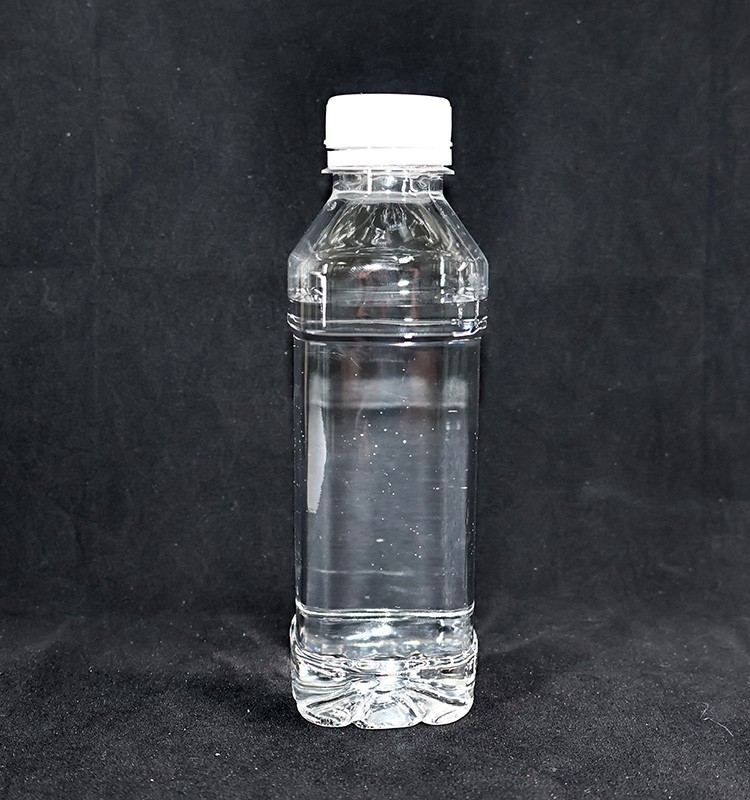
Defluorinating agents are a class of chemical reagents or functional materials capable of effectively removing fluoride ions from water. They function primarily by immobilizing or removing fluoride ions through mechanisms such as adsorption, ion exchange, chemical precipitation, complexation reactions, or surface reactions, thereby ensuring the treated water meets standards for drinking or industrial use.
A wide variety of defluorinating agents are currently available on the market. Common products include activated alumina, aluminum-based agents, calcium-based agents, iron-based agents, rare-earth-modified defluorination materials, high-efficiency composite agents, and eco-friendly bio-based defluorination materials.
Different types of agents operate via distinct mechanisms and are suitable for different applications; enterprises typically select the appropriate product based on factors such as water composition, fluoride ion concentration, treatment scale, and cost requirements.
Drinking water safety represents one of the most critical application areas for defluorinating agents.
In some regions, groundwater fluoride levels can significantly exceed safety standards due to the presence of high concentrations of fluoride-bearing minerals in underground rock formations. Long-term consumption of water with high fluoride levels poses health risks, necessitating defluorination treatments to reduce fluoride ion concentrations.
In practical applications, defluorinating agents are commonly used in centralized rural water supply systems, municipal water treatment plants, small-scale drinking water purification equipment, community water supply projects, and as specialized defluorination filter media in household water purification systems. Through adsorption or ion exchange, defluorinating agents can effectively reduce fluoride levels in drinking water, enhance water safety, and safeguard the health of residents.
Many industrial processes generate fluoride-containing wastewater; if discharged untreated, this not only harms the environment but may also fail to meet environmental discharge standards.
Defluorinating agents are widely used in wastewater treatment across various sectors, including chemical manufacturing, metallurgy, glass and ceramic production, electroplating, semiconductor manufacturing, and photovoltaic material production.
Industrial wastewater often contains high concentrations of fluoride ions—frequently accompanied by heavy metals, acidic or alkaline substances, and suspended particles—necessitating the combined use of processes such as coagulation-sedimentation, filtration, and membrane separation. Selecting the appropriate defluorinating agent not only improves fluoride removal rates but also lowers downstream treatment costs and enhances the operational efficiency of the entire wastewater treatment system.
With the growth of the electronics manufacturing and semiconductor industries, the availability of ultrapure water and high-quality process water has become essential for production.
In the manufacturing of chips, liquid crystal displays (LCDs), optoelectronic devices, and solar cells, fluoride ion concentrations in water must be strictly controlled to prevent adverse effects on product quality and equipment operation.
Defluorinating agents are utilized in ultrapure water pretreatment, process wastewater recovery, cleaning waste liquid treatment, and the purification of circulating water systems. Precise control of fluoride ion levels helps increase product yield, extend equipment lifespan, and reduce production risks.
The metallurgical industry generates fluoride-containing wastewater during ore smelting and metal processing—such as in aluminum smelting, iron and steel production, non-ferrous metal processing, and rare metal refining. Direct discharge of such wastewater can easily harm the environment.
Defluorinating agents react with fluoride ions in the wastewater, converting them into stable precipitates or removing them via adsorption; this lowers fluoride levels to meet environmental standards. Furthermore, optimizing the defluorination process can reduce chemical consumption and improve resource utilization efficiency.
The chemical industry is a major producer of fluorine-containing chemicals, with many production processes involving fluorides. Examples include fluoride salt production, hydrogen fluoride processing, fine chemical manufacturing, and the production of fluorine-containing materials. Wastewater and waste liquids generated during these production processes require defluorination treatment before further processing or discharge.
Defluorinating agents help enterprises consistently meet discharge standards, reduce the risk of environmental pollution, and enhance their green production capabilities.
In some regions, groundwater exhibits high fluoride ion concentrations due to natural geological conditions or historical industrial pollution. In groundwater remediation projects, defluorinating agents are typically used in conjunction with filtration equipment, adsorption towers, or permeable reactive barriers. By continuously adsorbing fluoride ions from the groundwater, water quality can be gradually improved, thereby securing supplies for residential use, agricultural irrigation, and ecological restoration.
In recent years, with the strengthening of groundwater protection efforts, the prospects for using defluorinating agents in environmental remediation have expanded significantly.
The widespread application of defluorinating agents across various industries is primarily due to the following advantages:
(1) High removal efficiency: High-quality defluorinating agents can rapidly remove fluoride ions through adsorption or chemical reaction, thereby improving water treatment efficiency.
(2) Wide range of applications: They can be used in diverse scenarios, including drinking water treatment, industrial wastewater treatment, groundwater remediation, and circulating water treatment.
(3) Relatively simple operation: Most defluorinating agents are compatible with existing water treatment equipment, eliminating the need for major process modifications.
(4) Cost-effectiveness: Proper selection of agents and process optimization can reduce chemical consumption and improve the economic efficiency of system operations.
(5) Environmental benefits: Reducing fluoride emissions helps protect water resources and the ecological environment, ensuring compliance with increasingly stringent environmental regulations.
To achieve optimal treatment results, the following points should be considered during practical application:
(1) Select the appropriate type of defluorinating agent based on the analysis of raw water quality; different products vary in their adaptability to specific water conditions.
(2) Control the dosage appropriately. Insufficient dosage may compromise defluorination efficiency, while excessive dosage can increase treatment costs and interfere with downstream processes.
(3) Regularly monitor fluoride ion concentrations in the treated water and adjust operating parameters based on actual conditions. Adsorption-based defluorination materials require periodic regeneration or replacement in accordance with regulations to maintain consistent treatment performance.
(4) Waste residues or spent filter media generated during the defluorination process must be properly handled in compliance with relevant standards to prevent secondary pollution.
As vital functional materials in modern water treatment, defluorination agents are widely used across diverse sectors, including drinking water purification, industrial wastewater treatment, electronics manufacturing, metallurgy, chemical production, groundwater remediation, and rural drinking water safety projects. Offering advantages such as high fluoride removal efficiency, broad applicability, operational stability, and ease of integration with existing water treatment processes, these agents help enterprises meet environmental discharge standards while enhancing water resource utilization, ensuring drinking water safety, and fostering green, sustainable development. Driven by continuous advancements in high-performance materials, intelligent control technologies, and eco-friendly processes, defluorination agents are poised to play an increasingly significant role in global water treatment and environmental protection, providing reliable, efficient, and environmentally friendly technical support for industrial growth, ecological restoration, and human health.

 E-mail:jcl@jichanglong.com
 WhatsApp:+8618560709619
 Address:Block B, Polymer Materials Industry Innovation Park,No. 51, Lutai Avenue, High-tech Zone, Zibo City, Shandong Province
China vanadium inhibitors manufacturer Shandong Jichanglong Environmental Engineering Co., Ltd.
Jichanglong specializes in vanadium inhibitor , dehumidification and drying block, calcium hypochlorite disinfectant tablets, polyacrylamide and other products. With over 20 years of experience, we offer quality assurance and wholesale prices.