With the continuous development of industrial production, urban construction, and environmental protection, there is an increasing demand for high-efficiency chemical additives in fields such as water treatment, sewage purification, solid-liquid separation, and industrial wastewater treatment. Among the various water treatment agents and functional industrial materials, polyacrylic amide (PAM) stands out as a widely used high-molecular-weight polymer. It exhibits excellent properties in terms of flocculation, thickening, dispersion, and rheology modification; depending on its specific molecular structure and ionic characteristics, it can be applied across a diverse range of industrial processes.
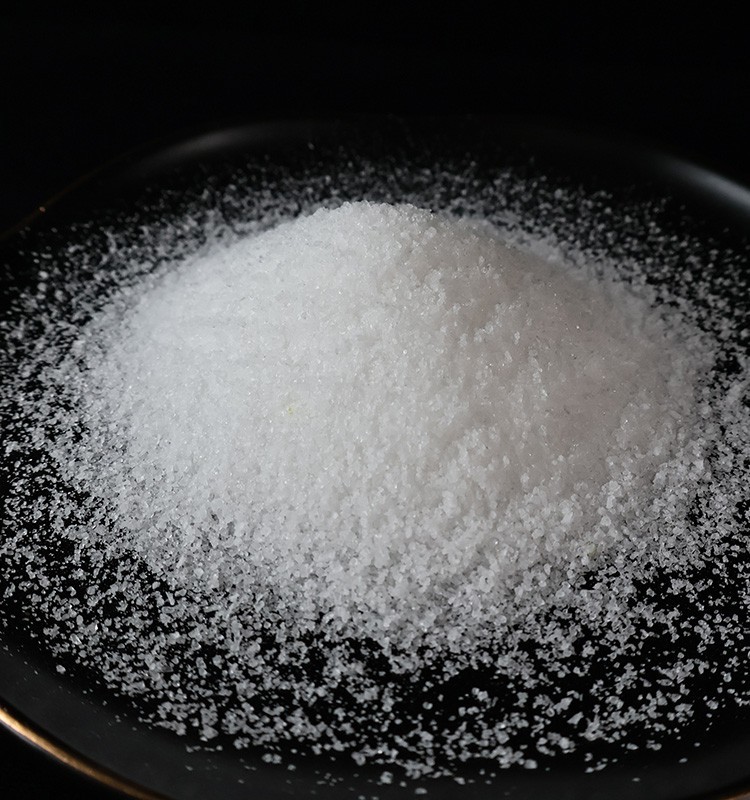
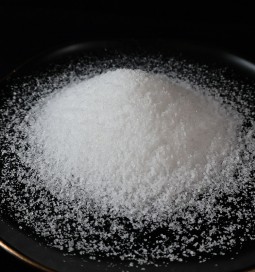
Polyacrylic amide is a water-soluble polymer formed through the polymerization of acrylamide monomers. Its molecular chains contain a large number of amide groups, which impart strong hydrophilic properties, allowing it to dissolve in water under appropriate conditions. Through mechanisms such as adsorption and bridging along its molecular chains, it can alter the dispersion state of suspended particles in water. polyacrylic amide is typically supplied in the form of white powder, granules, or an emulsion. Solid products generally need to be prepared into an aqueous solution of a specific concentration—as required by the product specifications—before being added to the material or water body undergoing treatment.
Based on its chemical structure and ionic nature, polyacrylic amide is categorized into non-ionic, anionic, and cationic types. Since each type possesses distinct charge characteristics and ranges of application, it is a misconception to assume that all forms of polyacrylic amide yield the same treatment results.
In practical industrial applications, polyacrylic amide is commonly used as a flocculant, coagulant aid, thickener, or rheology modifier. It facilitates the aggregation of fine particles into larger flocs, making it easier to remove solid particles from liquids through sedimentation, filtration, or other solid-liquid separation methods.
Anionic polyacrylic amide contains a certain proportion of anionic groups. It possesses a strong capacity for adsorption and bridging, and is frequently used in sectors such as mineral processing, industrial wastewater treatment, coal washing, and sludge/slurry treatment. In water treatment processes, anionic polyacrylic amide utilizes its long polymer chains to adsorb multiple suspended particles, linking dispersed, small particles together to form larger flocs. This enhances the efficiency of sedimentation and solid-liquid separation.
Anionic products are typically suited for particle systems with positively charged surfaces, or they may be used in conjunction with inorganic coagulants. However, their actual performance is influenced by factors such as the pH of the water, salinity, the nature of the particles, and the sequence in which the agents are added.
Cationic polyacrylic amide features cationic groups along its polymer chains, allowing it to interact with negatively charged suspended particles, organic colloids, and sludge particles. It is a widely used polymeric flocculant in municipal wastewater treatment plants and industrial sludge dewatering processes. By promoting the aggregation of sludge particles, it improves the dewaterability of the sludge, making it easier to separate water from the solids using mechanical dewatering equipment.
Since cationic products vary in terms of charge density and molecular weight, the specific product chosen should depend on the characteristics of the sludge, the processing equipment, and the required dewatering outcomes.
Non-ionic polyacrylic amide lacks a distinct ionic charge along its polymer chains; instead, it functions primarily through adsorption and the formation of bridges between particles. Such products are valuable in water treatment systems sensitive to ionic properties, as well as in mineral processing and various industrial production contexts. Compared to anionic and cationic variants, the performance of non-ionic polyacrylic amide can vary significantly depending on water quality conditions.
When selecting a non-ionic product, it is essential to consider the nature of the suspended particles, the characteristics of the solution, and the specific treatment process employed.
Municipal wastewater contains significant amounts of organic matter, suspended solids, fine particles, and other pollutants. If these substances are not treated effectively, their direct discharge can negatively impact natural water bodies and the ecological environment. In municipal wastewater treatment, polyacrylic amide is typically used as a flocculant or coagulant aid. It facilitates the aggregation of fine suspended particles into larger flocs, thereby enhancing the efficiency of solid-liquid separation in sedimentation tanks.
In the sludge treatment stage of wastewater treatment plants, cationic polyacrylic amide is frequently employed for sludge thickening and dewatering. Proper chemical conditioning promotes the aggregation of sludge particles, which improves the performance of equipment such as belt filter presses, centrifuges, and plate-and-frame filter presses. It should be noted that the effectiveness of wastewater treatment depends not only on the flocculant used but also on upstream treatment processes, the operational status of biochemical systems, and the specific characteristics of the sludge.
Industrial production generates various types of wastewater, including effluent from machining, steel manufacturing, chemical processing, food production, pharmaceuticals, and textile dyeing. Such wastewater contains a complex mix of pollutants, which may include suspended particles, oils, organic contaminants, and inorganic salts.
polyacrylic amide can be applied based on the specific characteristics of the wastewater to facilitate flocculation, encouraging the aggregation of fine particles and improving sedimentation or filtration efficiency. In some industrial wastewater treatment systems, it is used in conjunction with inorganic coagulants such as polyaluminum chloride, aluminum sulfate, or iron salts. For instance, in the treatment of machining wastewater, an appropriate flocculant can help remove a portion of the suspended solids; in certain chemical wastewater treatment processes, polyacrylic amide serves as an auxiliary agent for solid-liquid separation. Given the significant variations in wastewater composition across different industries, it is generally necessary to conduct beaker tests or small-scale process trials prior to full-scale application to determine the optimal type of chemical agent and the appropriate dosage conditions.
Sludge dewatering represents a key application area for polyacrylic amide. Wastewater treatment plants, paper mills, food processing facilities, and chemical enterprises all generate substantial quantities of sludge during their production processes. Such sludge typically has a high moisture content; direct transport and disposal are not only costly but also complicate storage and management. polyacrylic amide can be used for sludge conditioning, facilitating the aggregation of fine sludge particles into structurally stable flocs, which enhances the sludge's filtration and dewatering characteristics. Once conditioned, the sludge can undergo mechanical dewatering using equipment such as belt filter presses, centrifuges, or plate-and-frame filter presses. Selecting an appropriate cationic polyacrylic amide can improve dewatering efficiency and reduce the costs associated with subsequent sludge handling and transport.
However, because sludge from different sources varies in terms of organic content, particle structure, and charge characteristics, the specific chemical agent must be selected based on an analysis of the actual sludge sample, rather than relying solely on a product's name or model number.
In the petroleum industry, polyacrylic amide is used to increase the viscosity of injected water, thereby improving mobility control during water-flooding processes. In some oilfield developments, the injected water may exhibit higher mobility than the crude oil underground, causing it to flow rapidly through high-permeability channels—a phenomenon that limits the effectiveness of oil displacement.
By utilizing a suitable polyacrylic amide solution, the viscosity of the injected water can be increased, optimizing the mobility ratio between the water and the crude oil, which leads to a more uniform displacement process. This application is typically associated with "polymer flooding" techniques. Furthermore, polyacrylic amide and its derivatives are used in drilling fluid systems to adjust rheological properties, enhance wellbore stability, and control fluid loss.
It should be noted that polyacrylic amide intended for oilfield use must meet stringent requirements regarding molecular weight, salt tolerance, temperature resistance, and the degree of hydrolysis; standard-grade products designed for wastewater treatment are not suitable substitutes.
During the papermaking process, pulp contains a significant amount of fibers, fillers, and other fine particles. To improve both paper quality and production efficiency, it is necessary to control the distribution of these fibers and fillers within the paper sheet. polyacrylic amide serves as a papermaking additive, promoting the flocculation of fine fibers and fillers, which increases the retention rate of these raw materials. In appropriate papermaking processes, polyacrylic amide can serve as a functional component within retention aid, drainage aid, or dry-strength agent systems, improving both pulp dewatering performance and paper strength. Since different paper products have varying requirements for formation (uniformity), strength, surface properties, and production speed, the specific product chosen must be tailored to the operating conditions of the paper machine and the characteristics of the pulp.
During mining and mineral processing, operations such as crushing, grinding, flotation, and classification typically generate slurries and tailings containing a high concentration of fine mineral particles. These fine particles can remain suspended in water for extended periods, complicating processes like thickening, sedimentation, and tailings management.
polyacrylic amide is used in slurry thickening, tailings sedimentation, and the treatment of wastewater from mineral processing. Through mechanisms such as adsorption and bridging, it causes fine mineral particles to aggregate into larger flocs, thereby increasing sedimentation rates and enhancing solid-liquid separation efficiency. In the coal washing industry, polyacrylic amide is also employed to treat coal slurry water, facilitating the aggregation of fine coal particles and improving the clarification of the water. Selecting the appropriate polyacrylic amide for mineral processing requires consideration of factors such as mineral composition, particle size, slurry concentration, and water quality. Proper selection of the chemical agent helps improve the efficiency of water recycling within the production process.
Textile, printing, and dyeing processes generate wastewater containing dyes, auxiliary agents, fibrous impurities, and other organic matter. These pollutants often result in dark-colored wastewater with high levels of suspended solids, making subsequent treatment more challenging. polyacrylic amide can function as a flocculation aid in the treatment of printing and dyeing wastewater, helping to aggregate suspended particles and colloidal substances, which in turn improves the efficiency of sedimentation or dissolved air flotation (DAF) processes.
In practical applications, polyacrylic amide is typically used in conjunction with other coagulants, decolorizing agents, or oxidative treatment processes. For highly soluble dyes and organic pollutants, the use of polyacrylic amide alone is often insufficient to achieve adequate removal.
Therefore, textile dyeing and printing enterprises must design appropriate treatment schemes based on factors such as wastewater color, pH value, the types of pollutants present, and discharge requirements.
Polyacrylic amide also has applications in certain construction and engineering sectors. For instance, in specific sludge treatment systems, it facilitates the aggregation of fine particles, thereby enhancing solid-liquid separation efficiency and enabling the recycling or subsequent processing of the sludge. In projects such as shield tunneling, pile foundation work, and tunnel construction, the resulting construction slurry often contains a high concentration of fine soil particles; appropriate flocculation treatment can help reduce the content of suspended solids in this slurry.
Furthermore, polyacrylic amide is sometimes used in research concerning the rheological properties of cement pastes, mortars, and other material systems. However, its specific effectiveness depends on the formulation and usage conditions; it should not be regarded as a universal additive for all construction materials.
In the agricultural sector, certain specially designed and certified polyacrylic amide products can be used to improve soil structure and mitigate soil erosion. For example, in irrigated agriculture, the application of suitable polyacrylic amide products in appropriate quantities can help stabilize soil particles, reducing the loss of sediment caused by irrigation water runoff.
Under specific soil conditions, polyacrylic amide can also enhance the stability of soil aggregates, thereby lowering the risk of surface crusting and soil erosion. It is crucial to note that polyacrylic amide intended for agricultural use must comply with relevant product standards and application requirements. Since acrylamide monomer possesses a certain degree of toxicity, attention must be paid to the level of residual monomer in the product. Only qualified products that meet applicable regulations should be selected; industrial-grade products must never be used directly on farmland.
polyacrylic amide features long molecular chains that can connect multiple fine particles through an "adsorption-bridging" mechanism, causing suspended matter—previously dispersed in the water—to form larger flocs. This characteristic gives it significant application value in areas such as wastewater treatment, sludge dewatering, mineral processing, and industrial solid-liquid separation.
Certain high-molecular-weight polyacrylic amide products can increase the viscosity of aqueous solutions, making them useful in industrial systems that require the regulation of fluid flow properties. In sectors like petroleum extraction, drilling fluid formulation, and various industrial chemical preparations, thickening performance is a key criterion for selecting polyacrylic amide.
polyacrylic amide can be tailored based on its ionic character, molecular weight, and other technical specifications to suit various applications. Anionic, cationic, and non-ionic variants are available, catering to the distinct requirements of industries such as water treatment, papermaking, mining, and petroleum.
Depending on its physical form, polyacrylic amide can be prepared as an aqueous solution and introduced into a treatment system using metering pumps or other dosing equipment. In practice, operators can adjust the dosing method based on factors such as water volume, pollutant concentration, and the specific operating conditions of the equipment.
Under appropriate process conditions, polyacrylic amide improves particle sedimentation and filtration, thereby facilitating the performance of downstream solid-liquid separation equipment. However, the effectiveness depends on how well the specific product matches the material being treated; therefore, results may vary across different systems.
(1) Solid-form polyacrylic amide generally requires thorough dissolution in clean water before use. During preparation, the rate of addition and stirring conditions should be controlled according to the product instructions; adding too much powder at once can lead to clumping or the formation of gelatinous masses that are difficult to dissolve.
(2) Once prepared, a polyacrylic amide solution should not be stored indefinitely. Since solution stability varies by product type, users should refer to the supplier’s technical documentation to determine appropriate storage conditions and the recommended timeframe for use.
(3) A higher dosage of the chemical does not necessarily yield better results. If the dosage is too low, it may fail to form sufficient flocs; conversely, an excessive dosage can alter floc structure, lead to chemical waste, or diminish treatment efficiency. Therefore, the optimal dosage range must be determined through testing.
(4) During use, avoid indiscriminate mixing with incompatible chemicals. For processes requiring the combined use of inorganic coagulants, the order of addition and operational conditions should be established through testing.
(5) Acrylamide monomer is toxic; therefore, the residual monomer content must be monitored during the production and use of polyacrylic amide. Personnel should follow the guidelines in the Safety Data Sheet (SDS) to implement appropriate protective measures, preventing the inhalation of dust and unnecessary skin contact. For applications involving drinking water, food contact, or agricultural use, products specifically compliant with relevant regulations and standards must be selected.
(6) During storage, packaging should remain sealed and be kept in a dry, well-ventilated environment to prevent moisture exposure, contamination, or damage to the packaging. In the event of a powder spill, it should be cleaned up according to safety protocols to prevent the floor from becoming slippery due to the presence of damp polymer.
Polyacrylic amide is a versatile, water-soluble high-molecular-weight polymer known for its flocculation and thickening properties, as well as its ability to enhance solid-liquid separation. It plays a significant role in sectors such as municipal sewage treatment, industrial wastewater purification, sludge dewatering, oil extraction, papermaking, mineral processing, textile printing and dyeing, and agriculture. Different types of polyacrylic amide possess distinct ionic characteristics and technical properties; their actual performance is influenced by factors including water quality, particle characteristics, molecular weight, ionic degree, and the specific treatment process. Consequently, when procuring and using these products, it is essential to select the appropriate type based on specific requirements and to determine optimal application conditions through testing.
As industrial production and environmental management technologies continue to advance, polyacrylic amide will remain a vital component in water treatment and industrial processes. Through scientific selection, standardized preparation, and proper application, its functionality can be maximized—improving production efficiency and solid-liquid separation performance—while ensuring compliance with relevant environmental and safety standards.

 E-mail:jcl@jichanglong.com
 WhatsApp:+8618560709619
 Address:Block B, Polymer Materials Industry Innovation Park,No. 51, Lutai Avenue, High-tech Zone, Zibo City, Shandong Province
China vanadium inhibitors manufacturer Shandong Jichanglong Environmental Engineering Co., Ltd.
Jichanglong specializes in vanadium inhibitor , dehumidification and drying block, calcium hypochlorite disinfectant tablets, polyacrylamide and other products. With over 20 years of experience, we offer quality assurance and wholesale prices.