Against the backdrop of increasingly scarce global water resources and rising standards for drinking water safety, the issue of excessive fluoride levels in water has garnered heightened attention from governments, industrial enterprises, and the public worldwide. Excessive fluoride not only affects water taste but may also pose long-term risks to human health, agricultural production, and industrial equipment. Driven by this practical need, defluorination agents—functional chemicals specifically designed to reduce fluoride ion concentrations in water—are now widely applied in drinking water treatment, industrial wastewater management, and groundwater remediation. They have become an indispensable material in the water treatment industry.
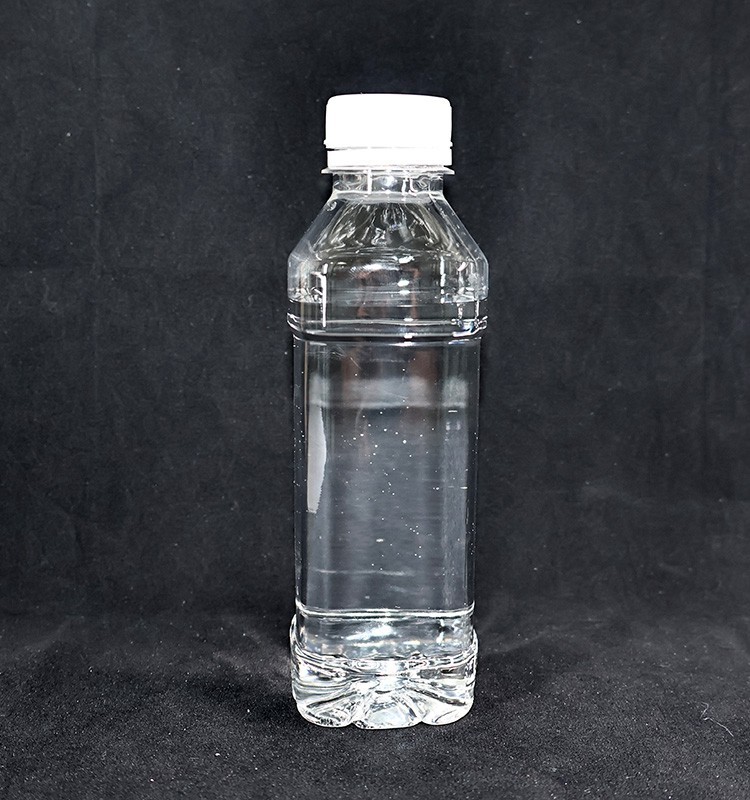
Defluorinating agents refer to water treatment chemicals or functional materials that eliminate fluoride ions (F⁻) from water through physical adsorption, chemical reactions, or ion exchange. Their primary objective is to reduce fluoride concentrations to levels compliant with national or industry safety standards, thereby ensuring drinking water safety and production process stability. Defluorinating agents come in various forms, including powdered or granular solids, composite modified adsorbent media, or specialized chemical reagents. Depending on the application scenario, they can be widely used in centralized water treatment systems, small-scale decentralized water purification equipment, and other water treatment facilities, playing a vital role in urban and rural water supply, industrial production, environmental protection, and other fields.
(1) High Efficiency: Defluorinating agents possess strong fluoride ion adsorption capacity, significantly reducing fluoride concentrations in water within a short timeframe. Newer formulations demonstrate even higher treatment efficiency, capable of addressing higher fluoride contamination levels.
(2) Safety: The composition of defluorinating agents is typically safe and non-toxic, free from harmful heavy metals. Their use does not cause secondary pollution to water bodies or the surrounding environment. This makes them highly suitable for treating drinking water and water used in food processing.
(3) Sustainability: Many defluorinating agents can be reused. After simple processing, they can be reintroduced into service, thereby reducing treatment costs and extending their service life.
(4) Ease of Operation: The operation of defluorinating agents is straightforward and simple, typically requiring no overly complex equipment or processes. This effectively lowers the construction and operational costs of water treatment facilities.
(1) Natural Sources: Fluoride is widely present in nature, particularly in rocks and minerals. When groundwater comes into contact with fluoride-bearing strata, fluoride ions readily dissolve into the water, elevating fluoride levels. In high-fluoride regions, water fluoride concentrations may significantly exceed regulatory limits.
(2) Industrial Activities: Certain industrial processes—such as aluminum smelting, chemical production, glass manufacturing, and phosphate fertilizer processing—generate fluoride-containing wastewater. If discharged into the environment without proper treatment, this wastewater severely contaminates water bodies, causing excessive fluoride levels in surrounding waters.
(3) Health Hazards: Long-term consumption of high-fluoride water may lead to health issues like dental fluorosis and skeletal fluorosis. Fluorosis poses particular risks to children and the elderly, potentially causing permanent dental damage or skeletal system issues. In extreme cases, high fluoride concentrations may trigger more severe health complications.
(4) Industrial Impact: Excessive fluoride in water not only threatens human health but also severely impacts industrial production. Fluoride compounds corrode equipment, reducing production efficiency and compromising product quality. Therefore, controlling fluoride ion concentrations in water is critical for many industrial sectors.
Defluorinating agents primarily function through three mechanisms: physical adsorption, chemical precipitation, and ion exchange. Details are as follows:
(1) Adsorption: Many defluorinating agents possess high specific surface areas and active sites, enabling them to firmly adsorb fluoride ions onto material surfaces. This method is typically suitable for treating low-concentration fluoride water and exhibits high selectivity.
(2) Chemical Precipitation: Certain defluorinating agents react chemically with fluoride ions to form insoluble fluoride precipitates, which are then removed via sedimentation or filtration. This method is particularly effective for treating wastewater with high fluoride concentrations.
(3) Ion Exchange: Certain defluorination agents utilize materials with ion exchange properties to replace fluoride ions in water through exchange reactions, thereby reducing fluoride concentration. This method is highly effective for treating high-fluoride water.
Modern high-efficiency defluorinating agents often combine multiple mechanisms to enhance fluoride removal efficiency and stabilize the water treatment process. For example, the combined use of adsorption and chemical precipitation leverages the advantages of both methods to rapidly and thoroughly remove fluoride from water.
With technological advancements, the variety of defluorinating agents continues to expand. Different types offer distinct advantages in performance and applicability:
(1) Aluminum-based and Iron-based defluorinating agents: These agents utilize aluminum or iron salts to chemically react with fluoride ions, removing fluoride from water through coprecipitation or adsorption. They are cost-effective, made from widely available raw materials, and suitable for large-scale water treatment projects, particularly industrial wastewater treatment.
(2) Adsorption-Type Fluoride Removal Materials: Typically employing activated alumina, modified mineral materials, or composite adsorbents, these agents exhibit strong selectivity. They are suitable for treating drinking water and groundwater, efficiently removing low-concentration fluoride ions.
(3) Rare Earth and Composite defluorinating agents: By incorporating rare earth elements or surface modifications, these novel defluorinating agents significantly enhance adsorption capacity for fluoride ions. They are particularly suitable for treating low-concentration, high-standard water quality. They are gaining attention in high-end water treatment applications, especially in regions with stringent environmental standards.
(4) Specialized Industrial defluorinating agents: Developed for high-fluoride, high-salinity, or complex water conditions, these agents maintain stable fluoride removal performance under harsh water quality conditions, meeting the long-term operational needs of industrial systems.
In urban and rural water supply projects within high-fluoride regions, defluorination agents are widely employed in centralized water stations and decentralized purification systems. They effectively reduce fluoride levels in water, enhancing drinking water safety for residents.
Across industries such as chemicals, metallurgy, electronics, and new materials, defluorination agents serve as a critical component in advanced wastewater treatment. They enable compliant discharge or recycled reuse, minimizing environmental risks.
Excessive fluoride levels may also occur in certain agricultural irrigation waters and contaminated water bodies. Proper application of defluorination agents can mitigate potential hazards to soil and crops, safeguarding ecosystem stability.
During sudden water pollution incidents or in specialized industrial scenarios, defluorination agents play a critical role as emergency treatment solutions due to their operational flexibility and rapid efficacy.
When using defluorinating agents, first mix them with the water to be treated to react with fluoride ions, forming insoluble fluoride precipitates. Then, remove these precipitates through filtration, sedimentation, or similar methods. Finally, test the fluoride ion concentration in the water to ensure compliance with standards.
- Strictly follow usage instructions to prevent safety hazards from improper application.
- Select appropriate products based on water quality characteristics and specific requirements.
- Dispose of post-treatment waste according to environmental regulations to avoid secondary pollution. Store defluorinating agents in sealed containers to prevent moisture absorption or degradation.
Overall, as a critical water treatment material for addressing fluoride contamination in water bodies, defluorination agents have played a pivotal role across multiple sectors. With ongoing technological advancements, these agents will remain central to safeguarding water resources and improving water quality. Facing increasingly severe water crises and environmental challenges, defluorination agents will assume even greater importance in water treatment, environmental protection, and sustainable development.

 E-mail:jcl@jichanglong.com
 WhatsApp:+8618560709619
 Address:Block B, Polymer Materials Industry Innovation Park,No. 51, Lutai Avenue, High-tech Zone, Zibo City, Shandong Province
China vanadium inhibitors manufacturer Shandong Jichanglong Environmental Engineering Co., Ltd.
Jichanglong specializes in vanadium inhibitor , dehumidification and drying block, calcium hypochlorite disinfectant tablets, polyacrylamide and other products. With over 20 years of experience, we offer quality assurance and wholesale prices.