Against the backdrop of increasingly scarce water resources and rising environmental standards, water treatment technology has become a vital component in industrial production, municipal management, and ecological conservation. Whether for drinking water purification, industrial wastewater treatment, swimming pool water maintenance, or circulating water system operation, efficiently removing suspended solids, colloidal impurities, and contaminant particles from water remains a core concern for the industry. Among numerous water treatment chemicals, flocculants have emerged as indispensable materials in modern water treatment systems due to their well-defined mechanism of action, high treatment efficiency, and broad applicability. Proper understanding and application of flocculants not only significantly enhance water quality treatment outcomes but also play a vital role in reducing operational costs and improving system stability.
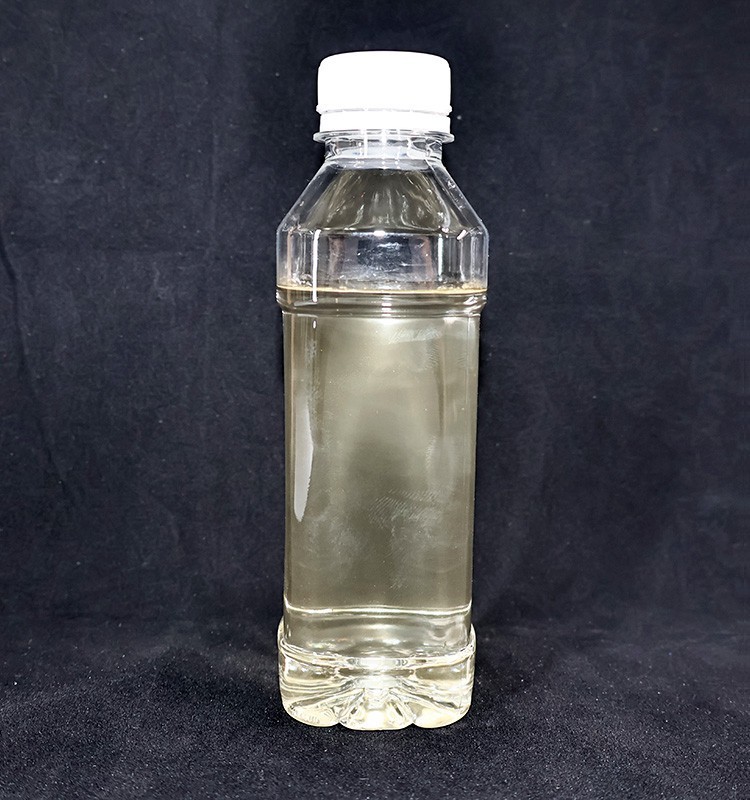
Suspended solids, colloidal particles, and certain dissolved organic matter in water typically possess extremely small particle sizes and surface charges, enabling them to remain stably suspended for extended periods. These particles are difficult to remove through natural sedimentation or conventional filtration. Flocculants specifically address this challenge of treating fine particles.
Their core mechanisms include:
- Charge neutralization: Weakening electrostatic repulsion between particles;
- Adsorption bridging: Connecting multiple particles into aggregates via polymer chains;
- Double layer compression: Reducing particle stability to promote aggregation;
- Floc enlargement and weight gain: Forming large, easily settleable and filterable structures.
It is precisely this ability to alter particle states at the microscopic level that gives flocculants their irreplaceable fundamental value in water treatment systems.
Types: Include aluminum salts (e.g., aluminum sulfate, polyaluminum chloride PAC), iron salts (e.g., ferric chloride, polyferric sulfate PFS), magnesium salts, and inorganic polymer flocculants (e.g., polyaluminum ferric chloride PAFC).
Mechanism of Action: Generate metal ions (Al³⁺, Fe³⁺, etc.) through ionization, neutralize negative charges on suspended particle surfaces, form colloidal particles that further coagulate into flocs, while simultaneously compressing the double electric layer and acting as adsorption bridges.
Types: Primarily polymeric compounds, categorized as cationic (e.g., polyacrylamide CPAM), anionic (e.g., APAM), nonionic (e.g., NPAM), and amphoteric.
Mechanism of Action: Adsorbs particles via functional groups (e.g., cationic or anionic groups) on polymer chains, forming large flocs through bridging effects of long-chain structures to enhance flocculation.
Type: Natural polymers produced by microbial metabolism (e.g., bacteria, fungi, algae), including glycoproteins, polysaccharides, lipids, and proteins. Examples: Aspergillus soyae flocculant, Monascus flocculant.
Mechanism of Action: Aggregates particles through microbial adsorption, bridging by extracellular polymers (EPS), and charge neutralization, while also exhibiting biodegradability.
Type: Formulated by blending two or more flocculants, e.g., inorganic-organic composites (PAC + CPAM), natural-synthetic composites (chitosan + PFS), microbial-chemical composites (microbial agents + iron salts).
Mechanism of Action: Optimizes treatment efficacy through synergistic effects. Examples include inorganic agents neutralizing charges first, followed by organic agents enhancing bridging, or microbial degradation of macromolecules before chemical flocculation.
The most tangible and widely recognized benefit of flocculants lies in their exceptional clarification performance.
Without flocculants, vast quantities of minute suspended solids may remain suspended for extended periods, leading to prolonged treatment cycles and unstable outcomes. Upon proper flocculant dosing, these particles rapidly aggregate into visible flocs, enabling swift settling or efficient retention.
This advantage is particularly pronounced in the following scenarios:
- Pretreatment of high-turbidity raw water;
- Concentrated removal of fine particles in industrial wastewater;
- Treatment of suspended residues after shock disinfection or algicide application;
- Emergency clarification during sudden water quality deterioration.
By significantly reducing water clarification time, flocculants provide valuable operational flexibility for water treatment systems.
Filtration is a critical step in water treatment processes, yet its efficiency heavily depends on particle size distribution. Suspended solids with excessively small particle sizes can easily penetrate filter media, not only compromising effluent quality but also accelerating system clogging.
The addition of flocculants enables fine particles to undergo “size upgrading” before entering the filtration system, delivering multiple systemic benefits:
- Improves filtration retention efficiency;
- Slows the rate of pressure differential increase in filter beds;
- Reduces backwashing frequency;
- Extends filter media lifespan;
- Stabilizes effluent quality parameters.
From a holistic process perspective, flocculants not only improve water quality itself but also optimize the long-term operational state of the filtration system.
Another significant advantage of flocculants lies in their exceptional adaptability and versatility.
By selecting different types and grades of flocculants, they can address a wide range of complex water conditions, including:
- Municipal water supply and drinking water treatment;
- Municipal wastewater and reclaimed water systems;
- Industrial wastewater (chemical, papermaking, dyeing, metallurgy, mining, etc.);
- Circulating cooling water and boiler feedwater;
- Swimming pools, landscape water bodies, and aquaculture water management.
This cross-industry and cross-process applicability makes flocculants one of the most representative fundamental chemicals in water treatment.
In practical engineering applications, water treatment conditions rarely meet “ideal states.” Fluctuating raw water quality, load variations, and diverse process combinations impose higher demands on chemicals.
Flocculants demonstrate distinct advantages in this regard:
- Applicable to multiple processes including sedimentation, flotation, and filtration;
- Can be used independently or synergistically with other chemicals;
- Flexible dosing methods suitable for both continuous and intermittent treatment;
- Suitable for large centralized projects as well as small-to-medium systems or temporary treatment needs.
This high process compatibility ensures stable performance even under complex operating conditions.
Water quality fluctuations—such as sudden turbidity spikes, organic load variations, or seasonal temperature impacts—pose common challenges in water treatment systems. Flocculants often function as “stabilizers” under these conditions.
By appropriately adjusting dosage and type, flocculants can:
- Rapidly respond to sudden water quality changes;
- Balance system loads;
- Reduce fluctuations in effluent parameters;
- Enhance overall operational safety.
This advantage is particularly critical for water supply systems and industrial production lines requiring continuous, stable operation.
Although flocculants themselves are chemical inputs, their economic value is significant when analyzed from a system-wide cost perspective:
- Improve treatment efficiency and shorten process flows;
- Reduces mechanical equipment load and energy consumption;
- Lowers maintenance frequency and labor costs;
- Minimizes water replacement volume and discharge volume.
When scientifically selected and properly dosed, flocculants often achieve the effect of “higher treatment returns with lower input.”
As environmental standards continue to rise, modern flocculants are evolving toward high efficiency, low dosage, minimal residue, and environmental friendliness.
By enhancing treatment capacity per unit dosage, flocculants demonstrate sustainable value in the following areas:
- Reducing water resource waste;
- Increasing water recycling rates;
- Lowering wastewater treatment energy consumption;
- Supporting green water treatment system development.
In today's era where sustainable development principles are deeply ingrained, flocculants are no longer merely “auxiliary agents” but essential supporting materials within modern water management systems.
Comprehensively, the advantages demonstrated by flocculants in water treatment manifest across multiple dimensions. It is precisely these strengths that have led to their widespread adoption in municipal, industrial, and commercial water treatment systems. For water treatment-related industries, the scientific selection and standardized use of flocculants are not only vital means to enhance water quality treatment levels but also critical components for achieving long-term stable system operation and sustainable development. As water treatment technologies continue to advance in the future, the application of flocculants—through scientific selection, precise dosing, and standardized management—will persistently provide robust safeguards for water quality safety, resource conservation, and environmental protection. It will also deliver increasingly profound value within modern water treatment systems.

 E-mail:jcl@jichanglong.com
 WhatsApp:+8618560709619
 Address:Block B, Polymer Materials Industry Innovation Park,No. 51, Lutai Avenue, High-tech Zone, Zibo City, Shandong Province
China vanadium inhibitors manufacturer Shandong Jichanglong Environmental Engineering Co., Ltd.
Jichanglong specializes in vanadium inhibitor , dehumidification and drying block, calcium hypochlorite disinfectant tablets, polyacrylamide and other products. With over 20 years of experience, we offer quality assurance and wholesale prices.