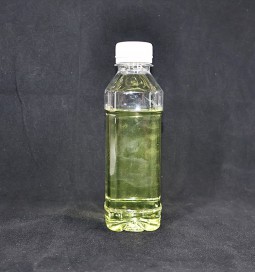
In modern society, biocides serve as vital chemical agents widely applied across industries, agriculture, and daily life. Primarily used to prevent and control the growth and spread of harmful organisms—including bacteria, fungi, algae, and viruses—their deployment enhances product quality, safeguards public health, and contributes positively to environmental protection.
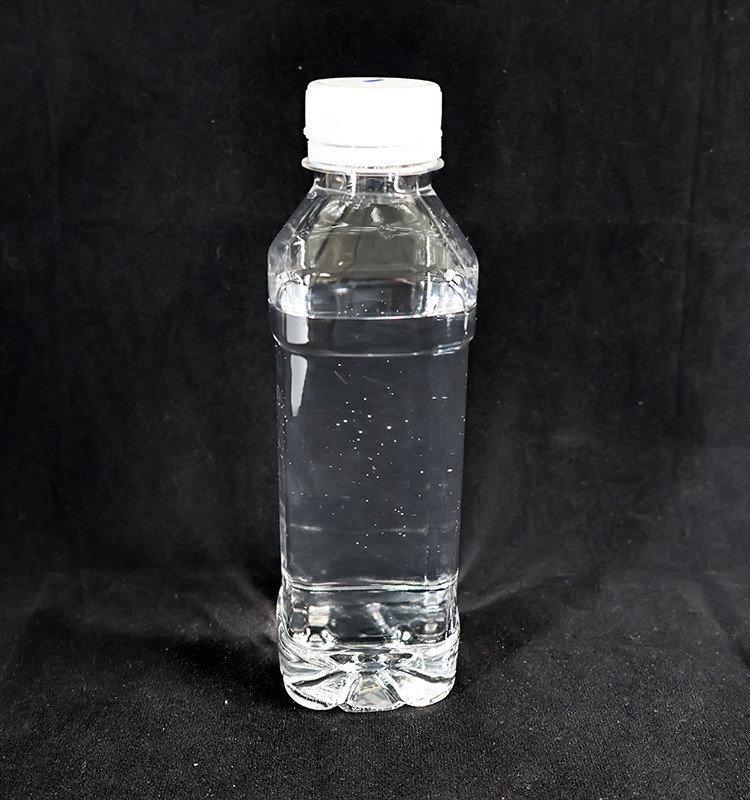
Biocides refer to chemical or natural substances capable of effectively killing or inhibiting the growth of harmful organisms (such as bacteria, fungi, viruses, algae, etc.). They typically exist in solution, solid, or gas form and can act directly or indirectly on microorganisms, altering their physiological functions and suppressing their reproduction to achieve disinfection, sterilization, and protection. Biocides find extensive applications across numerous industries, particularly in water treatment, sanitation, agricultural protection, coatings, and preservatives. With rising global demands for environmental and health protection, their use is becoming increasingly regulated, evolving toward greater efficiency, eco-friendliness, and sustainability.
Antibacterial agents are biocides that kill or inhibit the growth of bacteria and other microorganisms (such as bacteria, mycoplasma, etc.). These chemicals are widely used in medical, sanitary, and industrial settings to control infections, protect items from bacterial contamination, or as part of routine disinfection.
- Cell wall disruption: Certain agents destroy bacterial cell walls, causing leakage of cellular contents and eventual cell death. For example, penicillin-type antibiotics function by interfering with bacterial cell wall synthesis.
- Protein synthesis inhibition: Some agents block bacterial protein synthesis, disrupting cellular metabolism and inhibiting growth.
- Cell membrane damage: Certain agents alter substance exchange across the bacterial cell membrane by damaging it, leading to cell death.
- Medical disinfection: Employed in hospitals, clinics, and other healthcare settings for surface disinfection, instrument sterilization, and hand hygiene to prevent bacterial infections and cross-contamination.
- Food Preservation: During food processing, antimicrobial agents extend shelf life and prevent microbial contamination.
- Home and Public Spaces: In household cleaning and public disinfection, antimicrobial agents are commonly used for kitchen, bathroom, and floor cleaning.
- Water Treatment: In industrial and municipal water systems, antimicrobial agents eliminate bacteria, viruses, and other microorganisms to ensure water safety.
Antifungal agents refer to chemicals capable of killing or inhibiting fungal growth. Fungi are ubiquitous in nature, particularly in moist environments such as air, soil, plants, and animals. Antifungal agents are primarily used to prevent and treat fungal diseases or control fungal proliferation in industrial, construction, and agricultural settings.
- Destruction of fungal cell membranes: Some agents act on fungal cell membranes, disrupting their integrity and causing leakage of cellular contents, leading to fungal death. For example, fluconazole-based drugs inhibit the synthesis of fungal cell membrane components to achieve antifungal activity.
- Inhibiting fungal metabolism: Certain antifungal agents suppress fungal growth by inhibiting metabolic processes. For instance, chloramphenicol drugs achieve antifungal effects by inhibiting RNA and protein synthesis in fungi.
- Inhibiting fungal cell wall synthesis: Some antifungal agents interfere with fungal cell wall synthesis, reducing its stability and ultimately causing fungal death.
- Medical field: Antifungal agents treat fungal diseases such as dermatophytosis and candidiasis, typically administered topically or orally.
- Agriculture: In agriculture, antifungal agents protect crops from fungal pathogens. Examples include treatments for powdery mildew and black star disease.
- Building Mold Prevention: In the construction industry, antifungal agents are applied to inhibit mold and fungal growth on building materials (such as wood, gypsum board, paint, etc.), thereby extending the service life of these materials.
Algaecides are chemical agents that effectively inhibit or kill algae in water. When algae proliferate excessively in water bodies, they not only impair water aesthetics but may also degrade water quality and threaten aquatic life. Consequently, algaecides have become indispensable tools in water treatment and aquaculture.
- Destruction of Algal Cell Walls: Certain algaecides directly disrupt the structure of algal cell walls, destabilizing them and causing algal death.
- Inhibition of Algal Photosynthesis: Some algaecides interfere with the photosynthetic process, reducing energy supply to algae and suppressing their growth.
- Limiting Nutrient Sources: By suppressing concentrations of nutrients like nitrogen and phosphorus in water, these agents restrict the nutrients essential for algae growth, thereby controlling proliferation.
- Water Treatment: In industrial and municipal water treatment processes, algaecides control algal growth to maintain water cleanliness and quality stability.
- Aquaculture: In aquaculture ponds, algicides effectively prevent algal blooms, averting oxygen depletion caused by massive algal proliferation and safeguarding aquatic animal survival.
- Swimming pool water treatment: Algae in pools not only degrade water quality but also create slippery surfaces, posing safety hazards. Alicides are widely used in swimming pool water maintenance.
With heightened environmental standards and deepening industrialization, market demand for biocides continues to grow. Their application is increasingly widespread, particularly in water treatment, public health, agriculture, and the food industry.
As public concern for environmental and health issues rises, eco-friendly biocides are gaining favor. Future biocidal products will emphasize low toxicity, biodegradability, and biocompatibility. Researchers are dedicated to developing greener, safer formulations to meet increasingly stringent environmental regulations.
Advancements in technology will drive greater diversity in biocidal types and application methods. Innovations in antimicrobial, antifungal, and algicide formulations will continue, with new, high-efficiency products tailored to specific application needs. Additionally, formulations and application methods will be continuously optimized to enhance performance and expand applicability.
Globalization will further open the biocide market, with international technical exchanges and collaborations driving industry advancement. Emerging market nations, in particular, will see substantially increased demand for high-efficiency biocides as public health awareness rises and industrialization accelerates.
As an indispensable chemical in modern society, biocides play a vital role across multiple industries. Whether in water treatment, food processing, agriculture, or healthcare, biocides provide effective solutions. With heightened environmental demands and continuous technological advancements, the biocide industry will evolve toward greener, safer, and more efficient practices. Mastering the proper use of biocides not only enhances product quality and safety but also contributes to human health and environmental protection.

 E-mail:jcl@jichanglong.com
 WhatsApp:+8618560709619
 Address:Block B, Polymer Materials Industry Innovation Park,No. 51, Lutai Avenue, High-tech Zone, Zibo City, Shandong Province
China vanadium inhibitors manufacturer Shandong Jichanglong Environmental Engineering Co., Ltd.
Jichanglong specializes in vanadium inhibitor , dehumidification and drying block, calcium hypochlorite disinfectant tablets, polyacrylamide and other products. With over 20 years of experience, we offer quality assurance and wholesale prices.