In modern industrial applications, vanadium serves as a crucial metallic material widely utilized in steel production, metallurgy, power generation, and other sectors—particularly for enhancing steel's hardness, strength, and corrosion resistance. However, in certain high-temperature, high-pressure industrial environments, vanadium can become a problematic element. Particularly in catalytic processes or high-temperature corrosion scenarios, vanadium accumulation may cause severe damage to equipment. Consequently, vanadium inhibitors—chemical additives specifically designed to control vanadium's impact and reduce its corrosive effects—have gradually gained application and development across multiple industries.
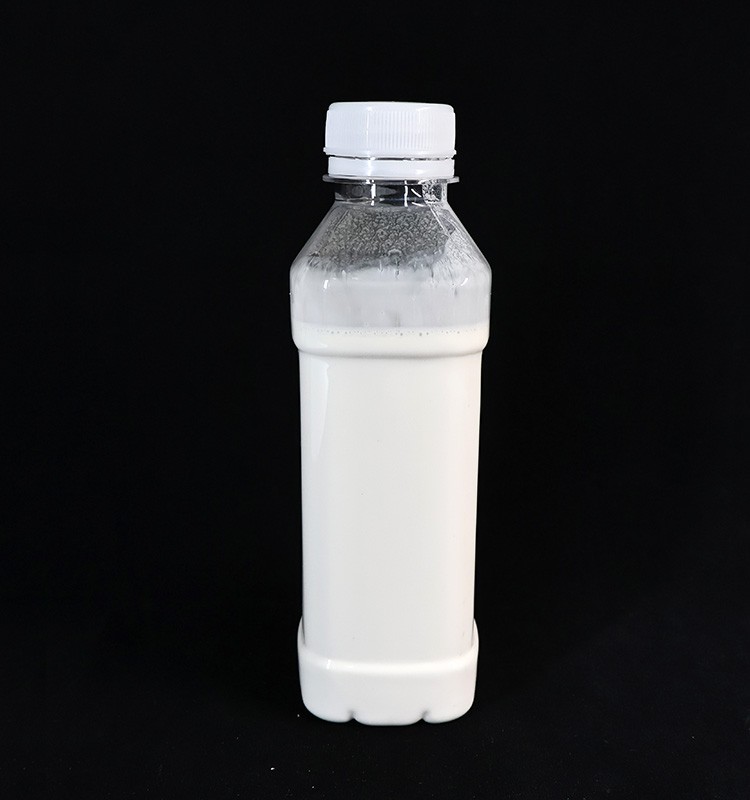
Vanadium inhibitors are chemical substances specifically engineered to reduce or suppress the corrosive effects of vanadium and its compounds on metallic equipment or catalysts. Their primary function involves forming stable complexes with vanadium through chemical reactions or physical adsorption. This prevents vanadium from reacting with metals under high-temperature, high-pressure conditions, thereby slowing corrosion rates and extending equipment lifespan.
Vanadium itself is a highly chemically reactive element, particularly prone to forming highly corrosive vanadium oxides at elevated temperatures. These oxides react with metal surfaces, causing surface damage and potentially leading to structural failure of equipment under severe conditions. Consequently, the application of vanadium inhibitors effectively mitigates these adverse effects, ensuring equipment maintains optimal performance during prolonged, high-intensity operation.
2. Primary Functions of Vanadium Inhibitors
(1) Preventing Vanadium Oxide Formation
The fundamental function of vanadium inhibitors is to prevent vanadium from reacting with atmospheric oxygen under high-temperature and high-pressure conditions, thereby inhibiting the formation of vanadium oxides such as vanadium pentoxide (V₂O₅). These oxides exhibit strong corrosive properties, eroding metal surfaces and accelerating equipment aging and damage. Vanadium inhibitors achieve this by chemically reacting with vanadium to form stable complexes or neutralize its reactivity, thereby suppressing vanadium oxide formation.
(2) Reducing Vanadium's Catalyst Toxicity
In petroleum refining and chemical production, vanadium often acts as a catalyst poison. Its binding to surface metals can reduce catalyst activity or even render it ineffective. Vanadium inhibitors form non-toxic compounds with vanadium through chemical reactions or isolate it, thereby reducing its toxic effects on catalysts. This extends catalyst lifespan and enhances catalytic efficiency.
(3) Prevention of High-Temperature Corrosion
Vanadium exhibits strong high-temperature corrosivity, particularly in environments like petrochemical equipment and coal-fired power plants. Its presence accelerates metal corrosion and wear. Vanadium inhibitors function by forming protective films on metal surfaces, reducing direct contact between vanadium and metals to effectively suppress corrosion reactions.
(4) Reducing Maintenance Costs
Due to vanadium's corrosive nature, equipment involving vanadium often requires frequent maintenance and replacement. The use of vanadium inhibitors significantly reduces equipment wear, extends service life, and consequently lowers corporate maintenance and replacement costs.
(5) Improving Energy Utilization Efficiency
In high-temperature, high-pressure environments, vanadium corrosion can lead to decreased equipment efficiency or even shutdowns. Vanadium inhibitors maintain equipment stability and efficiency, ensuring optimal energy utilization during production processes.
3. Working Principles of Vanadium Inhibitors
Vanadium inhibitors primarily function by chemically reacting with vanadium to form inert compounds or those difficult for metal surfaces to adsorb. This reduces vanadium's reactivity and minimizes damage to equipment. Specifically, their mechanisms can be categorized as follows:
(1) Chemical Adsorption
Active components in vanadium inhibitors typically adsorb onto vanadium, forming vanadium complexes or other stable compounds. These compounds exhibit higher stability than vanadium oxides, effectively preventing oxidation and corrosion reactions.
(2) Protective Film Formation
Certain vanadium inhibitors form a dense protective film on metal surfaces. This film isolates the metal from direct contact with vanadium, shielding it from corrosive effects. The film is typically formed through reactions between the inhibitor's active components and substances on the metal surface.
(3) Neutralizing Vanadium's Reactivity
Certain chemical components in vanadium inhibitors can undergo neutralization reactions with vanadium oxides, reducing vanadium's oxidizing properties and thereby diminishing its corrosive effect on metals.
(4) Suppressing Vanadium Solubility
Some vanadium inhibitors can lower vanadium's solubility in high-temperature environments, reducing opportunities for vanadium to contact metals and minimizing corrosion occurrence.
4. Common Types of Vanadium Inhibitors
Based on their distinct mechanisms for suppressing vanadium corrosion, vanadium inhibitors can be categorized as follows:
(1) Organic Vanadium Inhibitors
Organic vanadium inhibitors typically consist of organic molecules containing elements such as nitrogen, oxygen, and sulfur. These molecules form stable complexes with vanadium, effectively reducing its reactivity. Organic vanadium inhibitors generally exhibit high selectivity and strong neutralizing effects, delivering outstanding inhibition performance under specific high-temperature, high-pressure conditions.
(2) Inorganic Vanadium Inhibitors
Inorganic vanadium inhibitors are typically composed of metal salts or hydroxides. These substances react with vanadium to form water-insoluble or inert compounds, thereby reducing vanadium activity. Common inorganic vanadium inhibitors include calcium salts, aluminum salts, and others.
(3) Composite Vanadium Inhibitors
Composite vanadium inhibitors are formulated by blending multiple chemical components in specific ratios. Their mechanism of action is more complex, simultaneously inhibiting vanadium oxidation, dissolution, and corrosion. These inhibitors typically offer stronger efficacy and broader applicability, meeting diverse industrial requirements.
5. Application Fields of Vanadium Inhibitors
(1) Petrochemical Industry
In high-temperature environments such as petroleum refining and natural gas extraction, vanadium often reacts with metals, causing equipment corrosion. Vanadium inhibitors effectively reduce this corrosion and extend equipment service life.
(2) Metallurgical Industry
Equipment like high-temperature furnaces and reactors in metallurgy is susceptible to corrosion from vanadium oxides. Vanadium inhibitors enhance process stability, reduce equipment damage, and lower maintenance costs.
(3) Power Generation Industry
Vanadium corrosion poses severe challenges in boilers and flue gas systems of thermal power plants. Vanadium inhibitors effectively mitigate corrosion damage to boiler equipment, improving power generation efficiency.
(4) Catalyst Production
During catalyst manufacturing, vanadium acts as a common catalyst poison that diminishes catalytic activity. Vanadium inhibitors mitigate vanadium's impact on catalysts, prolonging their service life and improving reaction efficiency.
(5) Wastewater Treatment
In certain industrial wastewater treatment processes, vanadium presence can degrade water quality. Vanadium inhibitors effectively control vanadium levels in wastewater, ensuring compliance with discharge standards.
6. Precautions for Using Vanadium Inhibitors
Despite their significant efficacy, the following points should be noted during vanadium inhibitor use:
(1) Selecting Appropriate Vanadium Inhibitors
Different industrial environments and vanadium pollution sources require distinct vanadium suppressant types. Select the appropriate suppressant based on specific requirements and follow the manufacturer's recommendations.
(2) Control Dosage
Adjust the vanadium suppressant dosage according to equipment specifications and operating conditions. Excessive dosage may cause unnecessary waste or disrupt other process operations.
(3) Conduct Regular Inspections
Regularly inspect equipment for corrosion to ensure the effectiveness of vanadium inhibitors remains unaffected. Adjust usage strategies promptly based on inspection findings.
As a vital chemical additive, vanadium inhibitors play a critical role across multiple industries. By reducing vanadium corrosion of metal equipment, enhancing catalyst activity, and mitigating high-temperature corrosion effects, they provide reliable safeguards for industrial production. As industrialization advances, the application scope of vanadium inhibitors will expand, driving sustained growth in market demand. In the future, with ongoing technological advancements, vanadium inhibitors will play an increasingly vital role in environmental protection and enhancing energy efficiency.

 E-mail:jcl@jichanglong.com
 WhatsApp:+8618560709619
 Address:Block B, Polymer Materials Industry Innovation Park,No. 51, Lutai Avenue, High-tech Zone, Zibo City, Shandong Province