In the processes of industrial production and equipment operation, corrosion and scaling have long been critical factors limiting equipment efficiency and service life. Core facilities—such as metal pipelines, boiler systems, cooling circulation equipment, and heat exchangers—are highly susceptible to scale accumulation and oxidative corrosion on metal surfaces after prolonged operation. This leads to reduced thermal efficiency, increased energy consumption, and even equipment failure. To address this issue, corrosion and scale inhibitors have emerged as a vital tool in industrial water treatment. These agents effectively slow down the rate of metal corrosion while simultaneously preventing the formation of new scale or removing existing deposits, thereby safeguarding the stable operation of equipment. However, corrosion and scale inhibitors encompass a wide variety of products, each differing in chemical composition, mechanism of action, and applicable operating environment. Therefore, when selecting and utilizing these agents, it is essential to possess a comprehensive understanding of the specific characteristics of each product type.
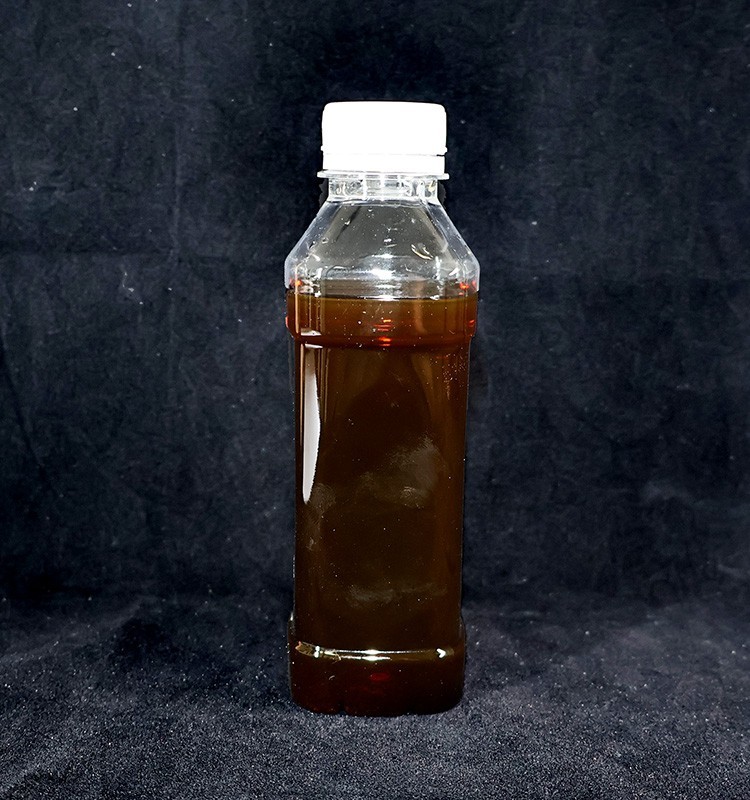
Corrosion and scale inhibitors are a class of compound chemical agents used in water treatment, primarily composed of corrosion inhibitors, scale inhibitors, chelating agents, and surfactants. Their core functions include:
(1) Corrosion Inhibition: Forming a protective film on metal surfaces to block the intrusion of water, oxygen, and corrosive ions, thereby slowing down the rate of oxidation reactions.
(2) Scale Inhibition: Suppressing the crystallization and precipitation of dissolved salts in water, thereby preventing the formation of scale deposits on the surfaces of pipelines, heat exchangers, and other equipment.
(3) Dispersion: Dispersing existing scale layers and maintaining them in a suspended state, facilitating their easy removal through the water circulation system.
Corrosion and scale inhibitors are capable of not only addressing specific, isolated issues but also providing comprehensive, integrated protection. Their application has become a standardized practice in boiler systems, cooling water circuits, industrial circulating water systems, and general water treatment facilities.
Corrosion and scale inhibitors can be categorized into various types based on their chemical composition, with each type offering distinct advantages in specific industrial applications.
The primary components of organic corrosion and scale inhibitors include carboxylates, sulfonates, polycarboxylic acids, and their derivatives. Their key characteristics are as follows:
Mechanism of Action: Organic molecules form a chemically adsorbed film on the metal surface, thereby blocking oxidation reactions.
Advantages: High thermal stability, resistance to acids and alkalis, and compatibility with other water treatment chemicals. Applications: Widely used in high-temperature boiler systems, industrial circulating cooling water systems, and environments involving high-hardness water.
Inorganic corrosion and scale inhibitors primarily consist of phosphates, silicates, and their complex salts. Their mechanism of action relies mainly on forming a protective layer deposited on the metal surface. Key characteristics include:
Low Cost: Offers a significant price advantage compared to organic chemical agents.
Excellent High-Temperature Resistance: Suitable for use in high-temperature boilers and heat exchangers.
Disadvantages: May contribute to phosphorus pollution in the environment, necessitating strict control over effluent discharge.
Hybrid products combine organic and inorganic components, thereby leveraging the advantages of both:
Complementary Advantages: Simultaneously achieves highly efficient corrosion inhibition and scale prevention.
Broad Applicability: Suitable for high-temperature and high-pressure boilers, cooling water systems, and circulating water treatment applications.
High Flexibility: Formulations can be adjusted—specifically regarding component ratios—to suit the specific characteristics of the water quality.
Corrosion and scale inhibitors can also be classified based on their underlying mechanisms of action.
Adsorption-type inhibitors function by adsorbing molecules or ions onto the metal surface to form a protective film, thereby preventing corrosive media from coming into contact with the metal. Their advantages include providing uniform protection across the metal surfaces of equipment and remaining effective even at relatively low concentrations.
Passivation-type inhibitors induce chemical reactions that generate a metal oxide film or a complex film; this process stabilizes the metal surface and reduces its chemical reactivity. This category of inhibitors is frequently employed in high-temperature and high-pressure boiler systems.
Dispersion-type inhibitors function by chelating calcium and magnesium ions present in the water or by facilitating the formation of minute crystalline particles, thereby preventing these substances from adhering to equipment surfaces. They are well-suited for use in circulating cooling water systems and water softening applications.
Modern industrial water treatment applications frequently utilize hybrid products that integrate adsorption, passivation, and dispersion functions. This approach enables simultaneous corrosion inhibition and scale prevention, thereby achieving comprehensive protection for the system.
The selection of an appropriate corrosion and scale inhibitor type must also be determined based on the specific characteristics of the industrial operating environment.
Suitable for use in steam boilers and hot water boilers, these inhibitors are characterized primarily by their high thermal stability and strong corrosion-inhibiting properties, effectively preventing oxidative corrosion and scale formation under high-temperature conditions.
Primarily utilized in air conditioning cooling towers, industrial circulating water systems, and heat exchange equipment, these inhibitors feature excellent dispersibility; they prevent scale deposition and help minimize the formation of biofouling.
When treating water sources characterized by complex composition or high hardness, it is essential to select corrosion and scale inhibitors with strong chelating capabilities and significant scale-inhibiting efficacy, while simultaneously adhering to environmental protection requirements.
Designed to address stubborn scale deposits encountered during equipment cleaning processes, these high-efficiency dispersant-type or acid/alkali-compatible inhibitors can rapidly dissolve and remove scale layers while protecting metal surfaces from corrosion.
- Organic Inhibitors: Offer high thermal stability and excellent compatibility, making them suitable for high-precision equipment; however, they typically entail higher costs.
- Inorganic Inhibitors: Characterized by lower costs and stable performance, though they may potentially exert environmental pressure.
- Composite Inhibitors: Exhibit superior overall performance and broad applicability, offering high long-term cost-effectiveness.
- Dispersant-Type Inhibitors: Highly efficient in water purification; however, their standalone corrosion-inhibiting effect is limited, necessitating their use in combination with other agents.
(1) Scientific Dosing: Precisely calculate the required dosage based on water quality parameters (concentration), circulating water volume, and equipment load.
(2) Regular Monitoring: Periodically monitor water parameters—including pH, conductivity, metal ion concentrations, and the condition of scale layers—to ensure the continued efficacy of the chemical agents.
(3) Storage Management: Store in a cool, dry environment, avoiding high temperatures and direct sunlight, to extend the product's shelf life.
(4) Environmental Compliance: Adhere strictly to wastewater discharge standards to minimize potential environmental impacts.
Through scientific management practices, corrosion and scale inhibitors not only safeguard equipment but also contribute to reduced operational costs and enhanced production safety.
As essential chemical agents in industrial water treatment, corrosion and scale inhibitors encompass a wide variety of types and offer a diverse range of functionalities. Ranging from organic and inorganic to composite formulations—and encompassing mechanisms such as adsorption, passivation, and dispersion—each type of corrosion and scale inhibitor offers unique advantages within specific application environments. The judicious selection of these inhibitors—combined with scientific management and online monitoring—not only effectively prevents metal corrosion and scale deposition but also reduces operating costs and extends equipment service life. With the advancement of environmental protection and smart technologies, the types and performance of corrosion and scale inhibitors will continue to evolve, providing increasingly efficient and sustainable solutions for industrial water treatment.

 E-mail:jcl@jichanglong.com
 WhatsApp:+8618560709619
 Address:Block B, Polymer Materials Industry Innovation Park,No. 51, Lutai Avenue, High-tech Zone, Zibo City, Shandong Province
China vanadium inhibitors manufacturer Shandong Jichanglong Environmental Engineering Co., Ltd.
Jichanglong specializes in vanadium inhibitor , dehumidification and drying block, calcium hypochlorite disinfectant tablets, polyacrylamide and other products. With over 20 years of experience, we offer quality assurance and wholesale prices.