With the rapid development of modern industry, environmental engineering, and the construction sector, the role of various chemical materials in production processes has become increasingly significant. Among these, aluminum sulfate—a widely utilized inorganic chemical product—holds a prominent position across diverse fields such as water treatment, papermaking, construction, textiles, and chemical manufacturing. Due to its excellent flocculation properties, robust chemical stability, and cost-effectiveness, aluminum sulfate has emerged as an indispensable chemical in both industrial production and environmental remediation processes. It plays a particularly critical role in the modern fields of wastewater treatment and drinking water purification.
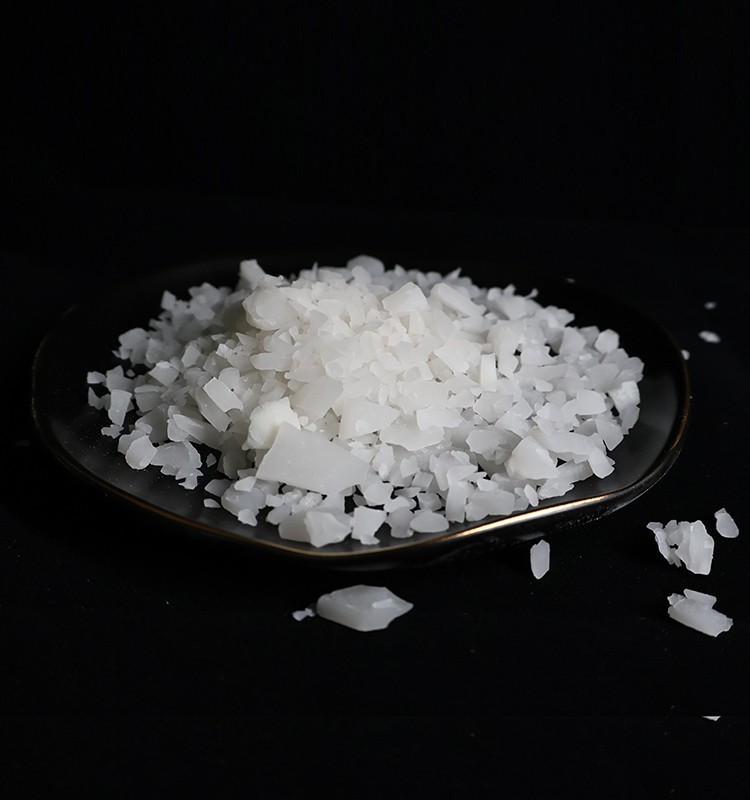
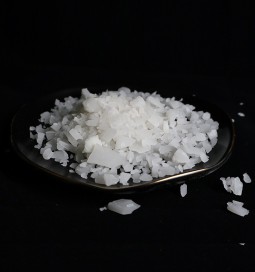
Aluminum sulfate is an inorganic salt compound, typically represented by the chemical formula Al₂(SO₄)₃. It generally appears as white granules, a white powder, or white crystalline flakes. Aluminum sulfate is readily soluble in water, and its aqueous solutions exhibit acidic properties.
Common forms of aluminum sulfate encountered in industrial production include: industrial-grade aluminum sulfate, drinking water-grade aluminum sulfate, iron-free aluminum sulfate, and high-purity aluminum sulfate; these various products are tailored for application in different industrial sectors. Given its exceptional chemical reactivity and potent flocculation capabilities, it enjoys widespread application within modern industrial systems.
The extensive application of aluminum sulfate across numerous industries is inextricably linked to its unique chemical properties.
Its primary characteristics include: high water solubility, strong chemical stability, rapid reaction kinetics, powerful flocculation capacity, moderate acidity, and broad applicability. Upon dissolving in water, aluminum sulfate releases aluminum ions and forms colloidal aluminum hydroxide. This colloid possesses strong adsorption capabilities, enabling it to effectively adsorb suspended particles and impurities present in the water. This constitutes one of the key reasons why aluminum sulfate is so widely utilized in water treatment applications.
Among all its advantages, flocculation capability stands as the most fundamental attribute of aluminum sulfate. When introduced into water, aluminum sulfate rapidly generates a flocculent precipitate of aluminum hydroxide. These flocs serve to: adsorb suspended particles, aggregate impurities, reduce turbidity, and enhance sedimentation efficiency; consequently, aluminum sulfate facilitates the rapid improvement of water quality during treatment processes.
It finds particularly extensive application in fields such as: municipal wastewater treatment, industrial effluent treatment, drinking water purification, and swimming pool water treatment. Compared to certain complex chemical agents, aluminum sulfate is simple to use and acts rapidly; consequently, it has long enjoyed popularity in the market.
Aluminum sulfate plays a particularly vital role in the treatment of drinking water. Natural water sources typically contain sediment, organic impurities, minute suspended particles, and colloidal substances—elements that are difficult to remove through natural sedimentation alone.
Upon the addition of aluminum sulfate, rapid flocculation and precipitation occur; this causes impurities to aggregate into larger particles that subsequently settle out. This process effectively enhances water clarity, reduces turbidity, improves overall water quality, and boosts filtration efficiency. Consequently, numerous municipal water treatment plants utilize aluminum sulfate as a primary water purification agent.
Another significant advantage of aluminum sulfate is its high cost-effectiveness. Compared to certain high-end chemical flocculants, aluminum sulfate benefits from a wide range of raw material sources, mature production processes, lower manufacturing costs, and a stable market supply. For large-scale wastewater treatment plants and industrial enterprises, long-term operational costs are a critical consideration. Aluminum sulfate allows for a reduction in chemical usage costs while simultaneously ensuring effective treatment results. As a result, it has become a preferred choice among water treatment agents for many enterprises.
It offers distinct advantages within the paper industry. During the papermaking process, it is primarily utilized for pulp sizing, enhancing paper strength, improving surface properties, and boosting printability. The addition of aluminum sulfate renders the paper smoother and more dimensionally stable. Furthermore, it reduces the paper's water absorbency, thereby elevating overall product quality.
It also plays a crucial role in the field of construction materials. It is employed in the production of waterproofing materials, as an additive for concrete, and in the manufacture of refractory materials. Aluminum sulfate serves to enhance the setting properties, stability, and durability of various construction materials; in certain specialized applications, it also improves impermeability.
Compared to certain complex chemical agents, aluminum sulfate is relatively simple to use. Its key characteristics include high water solubility, ease of dosing, simple preparation requirements, and minimal operational complexity. Enterprises can flexibly adjust the dosage based on specific water quality conditions. This operational convenience reduces technical difficulty and enhances on-site management efficiency—a factor of particular importance for small to medium-sized wastewater treatment systems.
Aluminum sulfate exhibits good stability when stored under normal conditions. Provided that it is kept dry, protected from moisture, and shielded from high temperatures, it can be stored for extended periods. Its excellent stability implies that the product is resistant to degradation, facilitates easier transportation, and offers high reliability during long-term use—factors that are highly advantageous for large-scale procurement by industrial enterprises.
Under conditions of proper usage, aluminum sulfate exhibits relatively low corrosivity toward certain types of equipment. Compared to strong acids and bases, it offers a higher level of safety. Furthermore, its dosing system is relatively simple, which helps to reduce equipment maintenance costs. Of course, during prolonged use, it remains essential to implement appropriate corrosion management measures based on specific operating conditions.
Currently, numerous types of flocculants are available on the market. Compared to certain polymer-based flocculants, aluminum sulfate offers several advantages: lower cost, extensive operational experience, mature processing technology, and simplicity of operation. Although some high-end chemical agents may offer superior performance capabilities, aluminum sulfate retains a distinct advantage in terms of overall cost-effectiveness. Consequently, it remains a primary choice for many traditional water treatment systems.
While aluminum sulfate possesses many advantages, the following precautions should be observed during its use:
(1) Control Dosing Quantity: Excessive use may alter the pH level of the water body.
(2) Mind the Storage Environment: Avoid exposure to moisture, which can cause caking.
(3) Adjust Process Based on Water Quality: Different water sources require different dosing strategies.
(4) Integrate with Other Processes: Complex wastewater typically requires a combination of treatment methods.
As environmental protection technologies continue to advance, the aluminum sulfate industry is also undergoing continuous evolution.
(1) Pursuit of High Purity: Enhancing the stability and quality of the product.
(2) Eco-friendly Production: Reducing manufacturing-related pollution and energy consumption.
(3) Development of Compound Products: Blending with other chemical agents to enhance treatment efficacy.
(4) Intelligent Dosing Systems: Improving the efficiency of chemical agent utilization.
Overall, thanks to its excellent flocculation properties, robust water purification capabilities, high cost-effectiveness, and wide range of applications, aluminum sulfate has established itself as an indispensable chemical product in the modern industrial and environmental sectors. Whether utilized in drinking water purification, industrial wastewater treatment, or within the papermaking, construction, and chemical manufacturing industries, aluminum sulfate consistently demonstrates stable and highly efficient performance advantages. With ever-rising environmental regulatory standards and continuous advancements in industrial technology, aluminum sulfate is poised to maintain its pivotal role across various industries in the future, while continuing to evolve toward greater efficiency, eco-friendliness, and intelligence.

 E-mail:jcl@jichanglong.com
 WhatsApp:+8618560709619
 Address:Block B, Polymer Materials Industry Innovation Park,No. 51, Lutai Avenue, High-tech Zone, Zibo City, Shandong Province
China vanadium inhibitors manufacturer Shandong Jichanglong Environmental Engineering Co., Ltd.
Jichanglong specializes in vanadium inhibitor , dehumidification and drying block, calcium hypochlorite disinfectant tablets, polyacrylamide and other products. With over 20 years of experience, we offer quality assurance and wholesale prices.