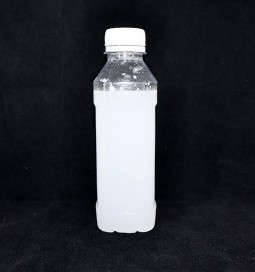
In modern industrial production, foaming issues are prevalent across various sectors, including chemicals, pharmaceuticals, food processing, coatings, papermaking, textile printing and dyeing, water treatment, and metalworking. Foaming not only impairs production efficiency but can also lead to equipment damage, compromised product quality, and safety hazards. Consequently, antifoaming agents—serving as critical chemical auxiliaries—are widely employed in diverse manufacturing processes to control or eliminate foam.
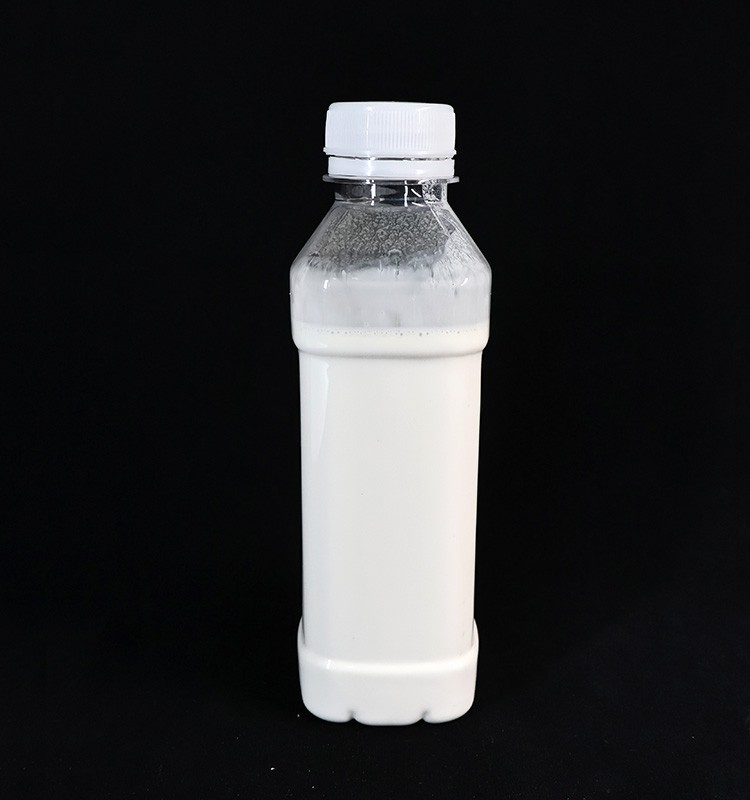
Antifoaming agents are a class of chemical substances capable of inhibiting foam formation or breaking down existing foam. The fundamental causes of foam generation lie in changes in liquid surface tension and increased stability at the gas-liquid interface. antifoaming agents achieve rapid defoaming effects by altering the surface properties of the liquid or by exerting a foam-breaking action directly at the gas-liquid interface.
antifoaming agents possess the following fundamental characteristics:
- Surface Activity: They reduce the liquid's surface tension, thereby destabilizing the foam film.
- Hydrophobic Particles: They utilize particles to adsorb onto the foam film and disrupt the foam structure.
- Strong Compatibility: They maintain their activity across different systems without adversely affecting process operations or product performance.
Antifoaming agents primarily achieve foam control through the following mechanisms:
(1) Inhibiting Foam Formation: antifoaming agents can form a hydrophobic film on the liquid surface, rendering the gas-liquid interface unstable and thereby reducing the likelihood of foam formation at its source.
(2) Breaking Down Existing Foam: Through adsorption onto the surface of the foam film, antifoaming agents cause the film to rapidly thin and rupture; upon rupture, the trapped gas is released, effectively eliminating the foam.
(3) Accelerating Foam Dissipation: antifoaming agents can accelerate the drainage of liquid from the foam film, thereby shortening the foam's lifespan and mitigating issues related to foam accumulation during production processes.
Based on their chemical composition and application environment, common antifoaming agents are primarily categorized into the following types:
Composition: Polydimethylsiloxane serves as the primary active ingredient, often supplemented by emulsifiers or hydrophobic powders.
Characteristics: They demonstrate significant efficacy in foam inhibition, possess excellent thermal stability, and exhibit stable chemical properties.
Applications: Water-based systems, papermaking, textile printing and dyeing, coatings, paints, and related industries.
Composition: Polyether-based polymeric compounds. Features: Particularly effective in high-foaming systems; suitable for use in acidic, alkaline, and neutral environments.
Applications: Papermaking, metalworking fluids, wastewater treatment.
Composition: Mineral oil combined with an appropriate amount of surfactants.
Features: Economical and practical; effective against water-soluble foams and emulsion systems.
Applications: Light industry, food processing, printing, and emulsion systems.
Composition: A blend of silicone oil with polyether or mineral oil.
Features: Combines the advantages of its constituent materials; highly adaptable; provides longer-lasting defoaming effects.
Applications: Printing and dyeing, papermaking, textiles, and wastewater treatment industries.
Composition: Fatty acid esters, alkyl alcohols, and polymers.
Features: Biodegradable; possesses excellent environmental compatibility.
Applications: Food industry, beverage processing, and eco-friendly water treatment.
During chemical reactions, emulsion polymerization, and solution mixing processes, foam can compromise reaction uniformity and reduce product yield. antifoaming agents serve to: eliminate excess foam, enhance reaction efficiency, and ensure product quality.
In the papermaking process, the agitation of pulp slurry generates significant amounts of foam. antifoaming agents help to: prevent pulp foam from interfering with pressing and sheet formation, thereby improving paper quality and production efficiency.
Foam frequently forms during the mixing of dye solutions and the dyeing process itself, negatively impacting color uniformity. antifoaming agents help to: prevent surface foam on the dye bath from interfering with the dyeing process, thereby improving dyeing uniformity and the quality of the finished product.
During the mixing, spraying, and storage of coatings and paints, foam can lead to defects in the applied film. The use of antifoaming agents helps to: eliminate air bubbles, enhance the smoothness of the coating, and improve the overall finish quality.
In wastewater treatment, industrial circulating water systems, and drinking water purification processes, foam can hinder the efficiency of filtration, sedimentation, and aeration. antifoaming agents help to: accelerate settling rates, minimize foam accumulation, and boost the overall processing efficiency of the system.
During mixing, fermentation, blending, and packaging processes, foam can compromise production stability and hygienic conditions. antifoaming agents can: control foam generation, enhance process efficiency, and ensure product hygiene and safety.
During metal cutting, grinding, and stamping operations, cutting fluids are prone to foaming. antifoaming agents can: protect equipment, improve processing precision, and extend the service life of cutting fluids.
Continuous Dosing: Suitable for circulating systems, ensuring consistent foam suppression.
Intermittent Dosing: Suitable for batch processes, applied as needed based on foam generation levels.
Determine the optimal dosage based on the liquid system, temperature, and agitation conditions to avoid overdosing, which may result in a slippery surface finish or adverse process side effects.
Utilize the antifoaming agent judiciously during stages such as agitation, mixing, cooking, and filtration; it can be compounded with additives such as buffering agents, emulsifiers, and dispersants.
- Select the appropriate antifoaming agent based on the medium type (oil-based, water-based, emulsion-based, etc.).
- Select high-temperature-resistant or ambient-temperature antifoaming agents based on the operating temperature range.
- Select acidic, alkaline, or neutral antifoaming agents based on the pH value of the medium.
- Select biodegradable or food-grade antifoaming agents based on environmental protection requirements.
- Control Dosage: Excessive use may adversely affect the product's processing or performance characteristics.
- Avoid Direct Addition to High-Temperature Media: This prevents localized vaporization or adverse reactions that could exacerbate foaming.
- Storage Conditions: Avoid exposure to high temperatures, direct sunlight, and excessive humidity.
- Process Compatibility: Ensure that the antifoaming agent does not negatively impact the properties of raw materials or the quality of the final product.
- High Efficiency with Low Dosage: New-generation antifoaming agents are capable of achieving superior defoaming effects using significantly smaller quantities.
- Eco-friendly and Biodegradable: antifoaming agents designed for food-grade applications and water treatment require non-toxicity and biodegradability.
- High-Temperature and Corrosion Resistance: Capable of withstanding high-temperature cooking processes, strong acids and bases, and salt-spray environments.
- Multifunctional Composites: Possessing combined capabilities such as defoaming, foam suppression, anti-corrosion, and anti-scaling properties.
- Intelligent Dosing: Integrated with online monitoring systems to enable precise dosing and minimize waste.
Antifoaming agents play an indispensable role in industrial production, effectively eliminating or suppressing foam to improve the production environment while enhancing process efficiency and product quality. Common types of antifoaming agents include silicone-based, polyether-based, mineral oil-based, composite, and organic synthetic varieties. When selecting and utilizing antifoaming agents, it is essential to apply scientific dosing and management practices based on the specific process environment, temperature, pH value, liquid type, and environmental regulatory requirements. Driven by advancements in industrial technology and rising environmental standards, antifoaming agents are evolving toward greater efficiency, eco-friendliness, multifunctionality, and intelligent application, thereby providing modern industrial production with increasingly stable, efficient, and cost-effective solutions.

 E-mail:jcl@jichanglong.com
 WhatsApp:+8618560709619
 Address:Block B, Polymer Materials Industry Innovation Park,No. 51, Lutai Avenue, High-tech Zone, Zibo City, Shandong Province
China vanadium inhibitors manufacturer Shandong Jichanglong Environmental Engineering Co., Ltd.
Jichanglong specializes in vanadium inhibitor , dehumidification and drying block, calcium hypochlorite disinfectant tablets, polyacrylamide and other products. With over 20 years of experience, we offer quality assurance and wholesale prices.