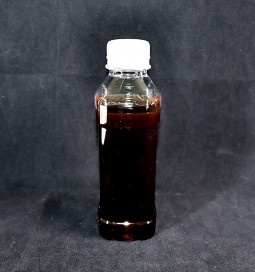
As global industrialization accelerates and issues regarding water scarcity and pollution become increasingly acute, efficient water treatment technologies have become a vital component of modern industrial and municipal water supply systems. Among these, reverse osmosis (RO) technology—characterized by high desalination rates, stable operation, and broad applicability—is widely used in sectors such as drinking water purification, seawater desalination, ultrapure water production for electronics, pharmaceuticals, bioengineering, food and beverage processing, and the power and chemical industries.
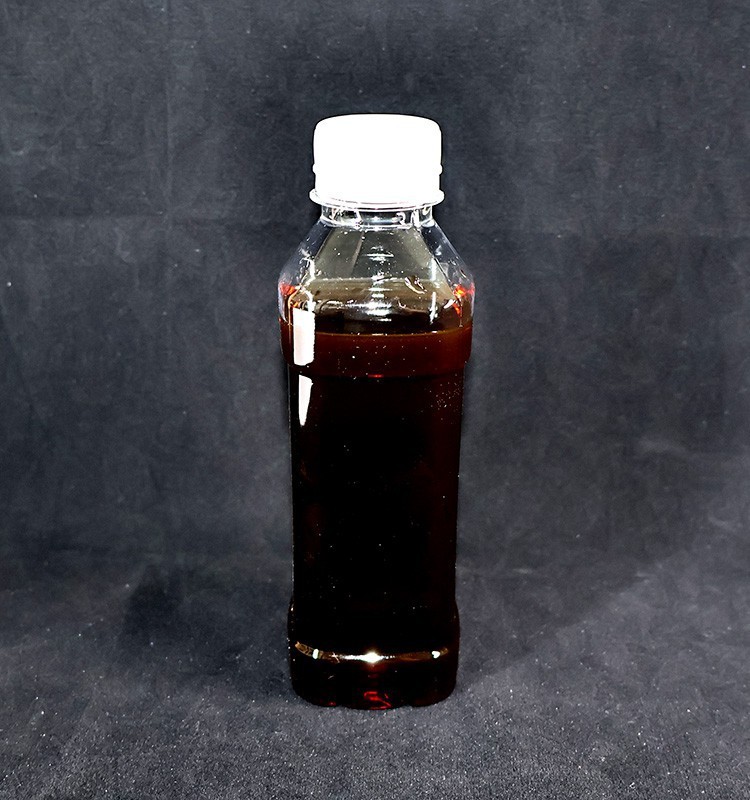
An reverse osmosis antiscalant is a water treatment chemical specifically designed to prevent the formation of inorganic salt scale on the surface of reverse osmosis membranes. Typically formulated from a blend of organic phosphonates, polycarboxylates, polymeric dispersants, and various functional additives, it works by modifying the crystallization process and dispersing micro-crystals, thereby inhibiting scale-forming ions in the water from depositing onto the membrane surface.
Unlike traditional acid washing or frequent chemical cleaning, antiscalants act as a preventive treatment; they minimize scale formation at the source by controlling crystal growth and deposition before scaling occurs. Consequently, they not only enhance system operational efficiency but also effectively extend the service life of membrane elements.
To appreciate the advantages of antiscalants, one must first understand their mechanism of action. When feed water enters the RO system, the continuous discharge of concentrate causes the concentration of substances such as calcium, magnesium, sulfates, carbonates, and silica to rise. When the concentration of these ions exceeds their solubility limits, crystal nuclei form and gradually grow into hard scale deposits.reverse osmosis antiscalants play a pivotal role during this process:
- Antiscalants interfere with the crystal formation process, hindering the normal growth of crystal nuclei; even if some crystals do form, their structural integrity is altered, preventing them from depositing onto the membrane surface.
- Polymeric dispersants within the antiscalant encapsulate fine crystal particles, keeping them suspended so they are discharged from the system along with the concentrate rather than adhering to the membrane elements.
- Some antiscalants also possess chelating properties, allowing them to form stable complexes with metal ions like calcium and magnesium, thereby further reducing the risk of scaling. It is precisely due to these combined effects that reverse osmosis (RO) antiscalants can significantly reduce the rate of membrane fouling and maintain the system's stable, long-term operation.
Modern high-performance antiscalants not only inhibit calcium carbonate scaling but also effectively control the deposition of sparingly soluble salts such as calcium sulfate, barium sulfate, strontium sulfate, calcium fluoride, and silica. Consequently, they provide excellent scale inhibition regardless of fluctuations in feed water quality.
Typically, effective scale inhibition is achieved with continuous dosing at very low concentrations. This not only lowers chemical costs but also reduces the system maintenance workload.
Without antiscalants, many systems are forced to lower their recovery rates—thereby increasing concentrate discharge—to avoid scaling. Using antiscalants allows for a higher system recovery rate, yielding more product water while reducing wastewater discharge and improving water resource utilization efficiency.
Membrane elements are among the most expensive core components of an RO system. Prolonged scaling not only reduces membrane flux but can also cause irreversible fouling. Antiscalants minimize deposit formation on the membrane surface and reduce the frequency of membrane cleaning, thereby extending the service life of the membrane elements.
Reduced scaling stabilizes system operating pressure and lowers pump energy consumption. Additionally, the reduced need for chemical cleaning and membrane replacement leads to a significant decrease in overall operating costs.
Modern reverse osmosis antiscalants offer excellent membrane compatibility. They are generally suitable for use with polyamide RO membranes, nanofiltration membranes, ultrafiltration pretreatment systems, seawater desalination membranes, and brackish water RO membranes. As they cause no significant damage to membrane materials, they ensure stable, long-term use. Furthermore, high-quality antiscalants typically do not compromise membrane salt rejection rates or product water quality, nor do they adversely affect downstream processes, making them essential auxiliary chemicals for modern membrane systems.
Raw water quality varies significantly across different regions. Some areas have groundwater with high hardness, while others have high silica content; additionally, seawater desalination systems in coastal regions must contend with high salinity and complex ionic compositions.
Modern reverse osmosis antiscalants feature optimized formulations that allow them to adapt to various types of raw water, including low-hardness surface water, high-hardness groundwater, industrial reclaimed water, brackish water, and seawater feed. Targeted products can also be selected based on specific fouling types to achieve superior scale inhibition results.
In the power industry, these antiscalants are used in boiler feedwater systems and ultrapure water preparation to ensure long-term, stable equipment operation. In the electronics and semiconductor sectors, they are employed in ultrapure water production lines to minimize membrane fouling and enhance product quality. The food and beverage industry utilizes RO systems to produce high-quality process water, where antiscalants effectively ensure continuous production. The pharmaceutical industry relies on antiscalants to maintain the stability of purified water systems and reduce equipment maintenance downtime.
In recent years, the expansion of seawater desalination projects, new energy initiatives, and reclaimed water systems has further driven the continuous growth of the market demand for reverse osmosis antiscalants.
Since different systems have varying performance requirements for antiscalants, multiple factors must be considered during product selection.
(1) Products should be selected based on raw water quality analysis, taking into account parameters such as hardness, alkalinity, silica content, iron content, and total dissolved solids (TDS).
(2) Attention should be paid to the product's ability to control different types of scale, ensuring it meets the demands of actual operating conditions.
(3) Compatibility with specific membrane brands is crucial; priority should be given to antiscalants that offer high stability, excellent dispersion properties, and a wide range of applicability.
(4) Reputable manufacturers typically provide services such as water quality analysis, dosage scheme design, and operational technical support, all of which are vital for the system's long-term, stable operation.
As global freshwater resources become increasingly scarce, RO technology is rapidly gaining widespread adoption, creating new growth opportunities for the antiscalant industry.
(1) High-performance composite antiscalants will gradually become the market mainstream, achieving comprehensive control over a wider range of scale types through the synergistic action of multiple active ingredients.
(2) Demand for eco-friendly antiscalants is steadily rising. As environmental regulations become increasingly stringent, low-phosphorus, phosphorus-free, and readily biodegradable formulations will attract growing attention from enterprises.
(3) Intelligent dosing technology will see further adoption. Future antiscalant dosing systems will integrate online water quality monitoring, flow control, and automatic adjustment technologies to achieve more precise and efficient operational management.
(4) Specialized products tailored to specific industries will continue to emerge. For instance, dedicated antiscalants designed for seawater desalination, high-silica water, high-hardness groundwater, and industrial wastewater reuse systems will represent a key area of market growth.
Driven by the rapid development of global industrial water conservation, seawater desalination, water recycling, and ultrapure water projects, reverse osmosis antiscalants will play a vital role across an expanding range of applications. Looking ahead, continuous advancements in environmental protection technologies, intelligent control systems, and novel functional materials will see high-performance, eco-friendly, and intelligent reverse osmosis antiscalants further propel the water treatment industry toward high efficiency, low energy consumption, and sustainable development, thereby providing more reliable technical support for global water resource utilization and environmental protection.

 E-mail:jcl@jichanglong.com
 WhatsApp:+8618560709619
 Address:Block B, Polymer Materials Industry Innovation Park,No. 51, Lutai Avenue, High-tech Zone, Zibo City, Shandong Province
China vanadium inhibitors manufacturer Shandong Jichanglong Environmental Engineering Co., Ltd.
Jichanglong specializes in vanadium inhibitor , dehumidification and drying block, calcium hypochlorite disinfectant tablets, polyacrylamide and other products. With over 20 years of experience, we offer quality assurance and wholesale prices.