With the growth of home gardening, residential landscaping, and professional horticulture, there is an increasing focus on soil quality and the environment in which plants grow. Different plants have varying requirements regarding soil pH, nutrient availability, and moisture levels. If the soil pH is unsuitable, plants may be unable to effectively absorb the nutrients present in the soil—even if those nutrients are abundant—which can hinder root development, foliage growth, and flowering. Consequently, properly adjusting soil conditions is a crucial aspect of horticultural management for improving plant growth environments.
Aluminum sulfate—a common inorganic compound with the chemical formula Al₂(SO₄)₃—is utilized in fields ranging from water treatment and papermaking to industrial manufacturing and horticulture. In gardening, it is primarily used to lower soil pH, creating a more favorable growing environment for plants that thrive in acidic soil. It is also associated with specific horticultural phenomena, such as the regulation of flower color in hydrangeas.
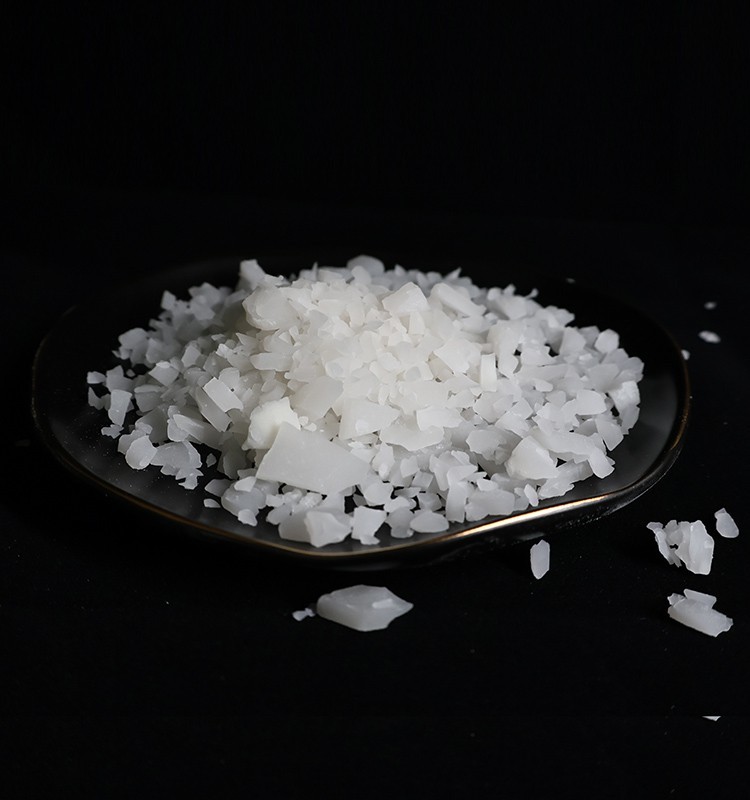
Aluminum sulfate is an inorganic aluminum salt that typically appears as a white or light-gray solid and is highly soluble in water. When dissolved, it forms a solution containing aluminum ions and sulfate ions; through chemical processes such as hydrolysis, it influences the pH of the solution. Aluminum sulfate has a wide range of industrial applications, including the treatment of drinking water and industrial wastewater, the production of paper, and various chemical manufacturing processes. In the context of gardening, its most notable use is the adjustment of soil pH—specifically, lowering the pH level.
Soil pH is a key indicator of soil acidity or alkalinity. Generally, soil with a pH below 7 is considered acidic, a pH of 7 is neutral, and a pH above 7 is alkaline. However, different plants have different ranges of tolerance for soil pH. Some thrive in slightly acidic soil, while others are well-adapted to neutral or even slightly alkaline environments.
Aluminum sulfate is not a universal fertilizer suitable for all types of plants. Its primary function is not to provide a complete range of nutrients directly to plants, but rather to alter the soil's chemical environment, thereby influencing the availability of certain nutrient elements. Consequently, in horticultural management, the decision to use it should be based on the specific plant species, soil test results, and actual growing conditions.
2. Primary Uses of Aluminum Sulfate in Horticulture
(1) Lowering Soil pH
Lowering soil pH is one of the main applications of aluminum sulfate in horticulture. Some horticultural plants thrive best in acidic or slightly acidic soil; however, in certain regions, the soil may be neutral or alkaline—sometimes even containing high levels of carbonates. In such environments, plants may struggle to absorb essential micronutrients like iron and manganese. When aluminum sulfate dissolves in water, the aluminum ions undergo hydrolysis, creating an acidic effect that lowers the pH of the soil solution. Through proper soil management, the soil's pH balance can be improved to some extent.
It should be noted, however, that the impact of aluminum sulfate on soil pH is not fixed. Factors such as soil texture, organic matter content, carbonate levels, and the soil's buffering capacity all influence the degree of acidification. In calcareous soils or soils with a high buffering capacity, relying solely on aluminum sulfate may not achieve long-term, stable pH adjustment. Therefore, before application, it is essential to test the soil pH and understand the soil's fundamental properties to avoid indiscriminate use.
(2) Improving Growing Conditions for Acid-Loving Plants
Certain plants are better suited to acidic or slightly acidic soil. For instance, plants such as azaleas, camellias, blueberries, and some varieties of gardenias have specific requirements regarding soil pH. When the soil pH is too high, certain nutrients may shift into forms that are difficult for plants to absorb, which can hinder normal growth. For example, the availability of iron typically decreases in alkaline soil, which can lead to iron-deficiency chlorosis in some plants.
By scientifically adjusting the soil pH, one can improve the availability of certain nutrients, creating a more favorable growing environment for acid-loving plants. It is important to note, however, that not all acid-loving plants require the addition of aluminum sulfate. Different plants exhibit varying degrees of tolerance to aluminum, and alkaline soil conditions can arise from a multitude of factors. In horticultural management, the choice of soil amendment methods should be primarily guided by the results of soil testing.
(3) Modulating Hydrangea Flower Color
Another well-known application of aluminum sulfate in home gardening relates to the coloration of certain *Hydrangea macrophylla* (bigleaf hydrangea) cultivars. The flower color of these plants is influenced by soil pH and the bioavailability of aluminum. In an appropriately acidic soil environment—provided that aluminum is present in a form that the plant can absorb—hydrangeas are more likely to develop blue or blue-violet blooms. Conversely, in soils where aluminum bioavailability is low, the flowers may appear pink or other colors.
Because aluminum sulfate can alter soil pH and supply aluminum, it is sometimes used in hydrangea cultivation to help manipulate flower color. However, hydrangea coloration is not determined solely by aluminum sulfate; it is influenced by a complex interplay of genetic traits, soil pH, aluminum bioavailability, soil phosphorus levels, and other growing conditions. For instance, white-flowered hydrangeas generally will not turn blue upon the addition of aluminum sulfate, and some cultivars have a limited range of potential color variation.
Furthermore, excessive aluminum can be toxic to plant root systems; therefore, one should not indiscriminately increase the application of aluminum sulfate in a pursuit of blue flowers.
(4) Improving the Bioavailability of Certain Soil Nutrients
Soil pH influences the chemical form and bioavailability of various nutrients. When soil pH is too high, micronutrients such as iron, manganese, and zinc may become difficult for some plants to absorb. By altering the soil pH, aluminum sulfate can indirectly affect the availability of these elements. Under appropriate soil conditions, adjusting the pH to an optimal range can enhance a plant's ability to take up certain nutrients.
It should be noted, however, that soil acidification does not necessarily improve the availability of all nutrients. Reducing the pH too drastically can increase the solubility of aluminum and manganese to levels that are detrimental to plant growth, while simultaneously interfering with the availability of essential elements such as phosphorus, calcium, and magnesium. Therefore, horticultural management should not focus solely on whether the soil pH has decreased; rather, it must take into account the balance of soil nutrients and the actual growth performance of the plants.
3. How does Aluminum Sulfate Alter Soil PH?
The process by which aluminum sulfate lowers soil pH is primarily linked to the hydrolysis of aluminum ions. Once aluminum sulfate enters the soil moisture, it dissolves, releasing aluminum ions and sulfate ions. In an aqueous solution, aluminum ions undergo a stepwise hydrolysis, forming various aluminum-hydroxide species and releasing hydrogen ions. As the concentration of hydrogen ions increases, the pH of the solution drops, leading to the acidification of the soil environment.
However, chemical reactions in actual soil are far more complex than those in a simple aqueous solution. Soil contains clay minerals, organic matter, carbonates, and various other ions, all of which can interact with aluminum ions—through ion exchange, complexation, or precipitation—thereby influencing the ultimate effect of the aluminum sulfate. For instance, in soils with high calcium carbonate content, the carbonates can neutralize some of the acidity, preventing a significant drop in pH. Conversely, in sandy soils with low buffering capacity, the soil pH may shift more easily.
This explains why the same aluminum sulfate product can yield different results in different gardens or planting areas. In practice, application rates should be determined based on soil test data rather than relying solely on guesswork or experience.
4. How does Aluminum Sulfate Compare to Other Soil-acidifying Agents?
(1) Aluminum Sulfate
Aluminum sulfate induces acidification through the hydrolysis of aluminum ions, while simultaneously introducing aluminum into the soil system. In certain horticultural contexts, it is also used to help manipulate the color of hydrangea flowers. Its primary drawback is that an excess of aluminum can have adverse effects on plant root systems and the soil environment. Consequently, aluminum sulfate is not suitable as a routine, long-term soil amendment for all types of plants.
(2) Elemental Sulfur
Elemental sulfur is a common material used for soil acidification. Under appropriate soil conditions, soil microorganisms gradually oxidize elemental sulfur into sulfuric acid, which in turn lowers the soil pH. This acidification process is typically slow, and its effectiveness is influenced by factors such as temperature, moisture levels, soil aeration, and microbial activity. Unlike aluminum sulfate, it does not directly add aluminum to the soil; therefore, it presents different characteristics when used in long-term soil management.
(3) Acidic organic materials
Certain organic materials, such as peat, can be used to improve the structure and moisture-retention capacity of a growing medium, helping to create an environment suitable for acid-loving plants. However, because the pH levels and buffering capacities of organic materials vary, one cannot simply assume that all organic fertilizers or humus-based materials will significantly acidify the soil. The choice of material should be based on a comprehensive assessment, taking into account soil test results, plant species, the scale of cultivation, and management objectives.
5. What should be Kept in Mind when Using Aluminum Sulfate?
(1) Soil pH testing should be conducted. Different plants have different soil pH requirements; only by confirming that the current soil environment truly needs adjustment can one determine whether the use of aluminum sulfate is necessary. If the soil is already significantly acidic, no further acidifying materials should be added.
(2) The soil’s buffering capacity must be considered. Factors such as clay content, organic matter, and carbonate levels influence how soil responds to changes in pH. In the absence of test data, it is unwise to apply aluminum sulfate based solely on generalized, empirical dosage recommendations.
(3) Be mindful of the potential impact of aluminum. Under acidic conditions, aluminum can become more soluble. If the concentration of soluble aluminum in the soil becomes too high, it may inhibit root elongation and interfere with the uptake of essential nutrients such as phosphorus, calcium, and magnesium. Consequently, aluminum sulfate should not be used over the long term, in excessive quantities, or indiscriminately.
(4) Consider differences between plant species. Even among acid-loving plants, tolerance to aluminum varies. Just because certain hydrangeas can utilize soil aluminum to produce blue flowers, it does not follow that other plants can tolerate high concentrations of aluminum.
(5) Follow the instructions provided on product labels and technical documentation. Aluminum sulfate products may differ in terms of purity, water of crystallization, and intended use; therefore, usage guidelines for one product cannot necessarily be applied to another. For horticultural purposes, select a product specifically suited to your particular application.
Additionally, aluminum sulfate should be stored securely, kept out of reach of children and pets, and handled with care to prevent dust from entering the eyes or coming into prolonged contact with the skin. Use appropriate protective gear when handling the product, and do not mix horticultural-grade aluminum sulfate with other chemicals. For large-scale soil amendment projects, consult with a soil or horticultural professional.
6. The Value of Aluminum Sulfate in Modern Horticultural Management
With the growth of home gardening, landscape design, and professional nursery cultivation, soil management has shifted from basic fertilization and irrigation toward more refined environmental control.
In this context, soil pH has become a key management metric. Gardeners and growers can use soil testing to determine pH levels, nutrient content, and other fundamental properties, subsequently developing amendment strategies tailored to the specific needs of different plants.
As an inorganic material with an acidifying effect, aluminum sulfate remains useful in certain horticultural applications. For instance, it can be used as part of a strategy to manipulate the flower color of certain hydrangeas, or applied—under professional guidance—in situations where soil pH needs to be lowered.
However, modern horticulture increasingly emphasizes soil health and long-term ecological management. Rather than relying solely on chemical amendments, it is often more effective to foster a stable growing environment by incorporating organic matter, improving drainage, selecting plant varieties suited to local soil conditions, and conducting regular soil testing. For commercial horticulture, nurseries, and large-scale landscape projects, scientific soil management is critical not only for plant health but also for controlling cultivation costs, enhancing maintenance efficiency, and achieving desired aesthetic outcomes. Consequently, aluminum sulfate should be viewed as one of many potential tools within a comprehensive soil management strategy, rather than a universal solution that can replace all other soil improvement measures.
In horticulture, aluminum sulfate is primarily used to help lower soil pH, creating a more favorable growing environment for certain acid-loving plants. Additionally, under specific conditions, it can be used to help adjust the flower color of certain *Hydrangea macrophylla* (bigleaf hydrangea) cultivars. Its actual effectiveness is influenced by various factors, including soil type, buffering capacity, plant variety, and application conditions. While appropriate use may help improve the growing environment for some plants, excessive application can lead to over-acidification of the soil and aluminum toxicity. Therefore, in horticultural management, the soil pH should be tested before using aluminum sulfate. It is essential to understand the specific growth requirements of the plants and to develop an appropriate application plan based on product instructions and professional advice. Through scientific soil management, careful selection of materials, and consistent plant care, one can effectively maintain soil health and enhance both the quality and stability of horticultural plantings.

 E-mail:jcl@jichanglong.com
 WhatsApp:+8618560709619
 Address:Block B, Polymer Materials Industry Innovation Park,No. 51, Lutai Avenue, High-tech Zone, Zibo City, Shandong Province