In the field of metal corrosion prevention,volatile corrosion inhibitors are receiving increasing attention as an efficient and unique protective measure.With its unique volatilization characteristics,it can form a dense protective film on the surface of metals,effectively isolating corrosive media and extending the service life of metal products.This article will comprehensively analyze the definition,principle of action,classification,application fields,and development trends of volatile corrosion inhibitors,providing readers with a window to gain a deeper understanding of this anti-corrosion technology.
1.Definition and Characteristics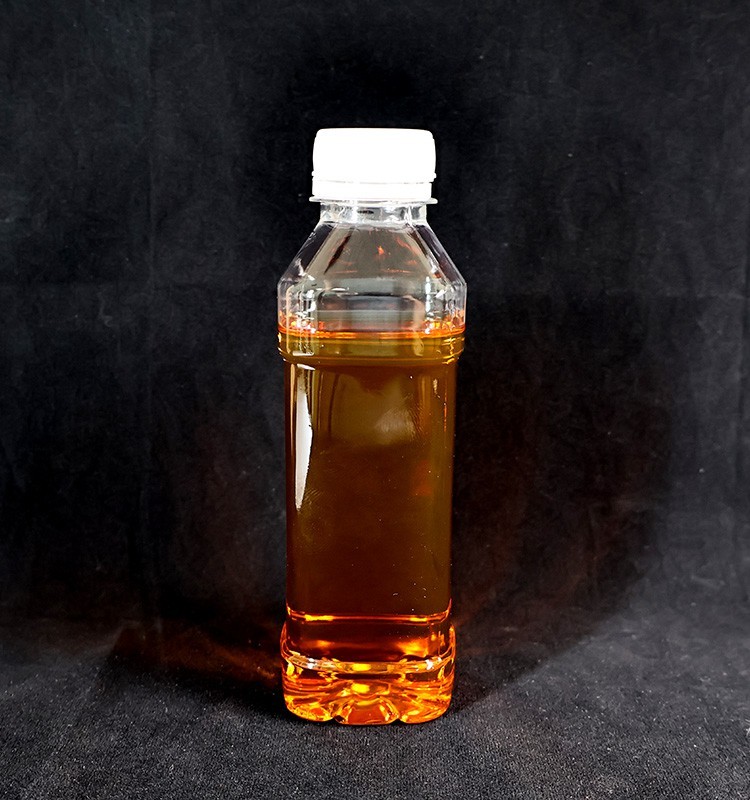
1.Definition
Gas corrosion inhibitor,as the name suggests,is a chemical substance that can evaporate into gas at room temperature,diffuse to the surface of metals,undergo chemical reactions or physical adsorption with metal atoms,and form a protective film to inhibit metal corrosion.This protective film can isolate corrosive media such as water and oxygen from contact with metals,effectively slowing down or preventing the corrosion process of metals.
2.Characteristics
*Volatility:Gas corrosion inhibitors have a high saturation vapor pressure at room temperature,which can quickly evaporate into gas and diffuse to the metal surface.This characteristic enables volatile corrosion inhibitors to form a uniform protective layer in sealed or semi sealed environments,without the need for direct contact with metal surfaces to function.
*Broad spectrum:Gas corrosion inhibitors have good anti-corrosion effects on various metal materials,including steel,copper,aluminum,zinc,etc.This makes it have a wide range of application prospects in the field of metal corrosion prevention.
*Long term effectiveness:Once a protective film is formed,the volatile corrosion inhibitor can continue to function,protecting the metal from corrosion damage.The protection period depends on factors such as the type of corrosion inhibitor,the usage environment,and the properties of the metal material.
*Environmental friendliness:Compared with traditional anti-corrosion methods,volatile corrosion inhibitors do not require a large amount of solvents or water during use,reducing environmental pollution and resource waste.Meanwhile,many volatile corrosion inhibitors are also biodegradable and environmentally friendly.
2.Working principle
The working principle of volatile corrosion inhibitors mainly involves the following steps:
1.Volatility and diffusion
Gas corrosion inhibitors evaporate into gases at room temperature and are evenly distributed in sealed or semi sealed environments through diffusion.During this process,corrosion inhibitor molecules constantly collide with corrosive media such as water vapor and oxygen in the air,but due to their high volatility,they can preferentially reach the metal surface.
2.Adsorption and film formation
After reaching the metal surface,volatile corrosion inhibitor molecules adhere to the metal surface through physical or chemical adsorption.Physical adsorption mainly relies on van der Waals forces between molecules,while chemical adsorption involves electron transfer or sharing between corrosion inhibitor molecules and metal atoms,forming more stable chemical bonds.The adsorbed corrosion inhibitor molecules further polymerize or react to form a dense protective film that covers the metal surface.
3.Isolate corrosive media
After the formation of the protective film,it can effectively isolate corrosive media such as water and oxygen from contact with metals.Water molecules cannot penetrate the protective film and undergo electrochemical reactions with metals,and oxygen cannot bind to the active sites on the metal surface,thereby inhibiting the occurrence of corrosion processes.
4.Inhibit electrochemical corrosion
In humid environments,a thin film of electrolyte solution will form on the metal surface,leading to electrochemical corrosion.The protective film formed by volatile corrosion inhibitors can block the contact between electrolyte solution and metal,while suppressing the occurrence of anodic oxidation or cathodic reduction reactions,thereby interrupting the electrochemical pathway of the corrosion process.
3.Classification
There are various types of volatile corrosion inhibitors,which can be classified into the following categories based on their chemical composition and mechanism of action:
1.Organic acids
Organic acid volatile corrosion inhibitors such as hexanoic acid,octanoic acid,benzoic acid,etc.have good volatility and water solubility.They can form a layer of organic acid salt protective film on the metal surface,effectively isolating corrosive media.This type of corrosion inhibitor has a good anti-corrosion effect on metals such as steel and copper.
2.Amines
Amine volatile corrosion inhibitors such as benzylamine,cyclohexylamine,and dicyclohexylamine form coordination bonds with metal atoms through lone pair electrons on nitrogen atoms,thereby adsorbing on metal surfaces.They can inhibit the anodic dissolution reaction of metals and slow down the corrosion rate.Amine corrosion inhibitors have good anti-corrosion properties for metals such as steel and aluminum.
3.Heterocyclic compounds
Heterocyclic volatile corrosion inhibitors such as benzotriazole(BTA)and thiazole compounds have unique molecular structures and can form stable chemical adsorption films on metal surfaces.This type of corrosion inhibitor has a good anti-corrosion effect on non-ferrous metals such as copper and copper alloys,and is the basis of many non-ferrous metal corrosion inhibitor formulations.
4.Inorganic salts
Inorganic salt volatile corrosion inhibitors such as sodium nitrite and chromate,although not inherently volatile,can be combined with other volatile substances to form volatile composite corrosion inhibitors.This type of corrosion inhibitor forms a layer of inorganic salt protective film on the metal surface,which has good anti-corrosion performance for metals such as steel.However,due to environmental pollution issues with some inorganic salt corrosion inhibitors,their use is somewhat limited.
5.Composite type
Composite volatile corrosion inhibitor is a combination of two or more corrosion inhibitor components to achieve synergistic effects and improve corrosion resistance.This type of corrosion inhibitor can provide more comprehensive and effective protection for different metal materials and corrosive environments.
4.Application Fields
Gas corrosion inhibitors have been widely used in various fields due to their unique anti-corrosion performance and broad application prospects
1.Oil and gas industry
Metal pipelines and equipment are susceptible to corrosion during the extraction,transportation,and storage of oil and gas.Gas corrosion inhibitors can form a protective film on the inner wall of pipelines through volatilization and diffusion,effectively isolating corrosive media and extending the service life of pipelines.At the same time,it can also be used for anti-corrosion protection of equipment such as oil well casings and storage tanks.
2.Chemical industry
The chemical industry involves a large amount of corrosive media and high-temperature and high-pressure environments,and metal equipment is prone to corrosion.Gas corrosion inhibitors can be used for corrosion protection of the inner walls of chemical equipment,such as reaction vessels,heat exchangers,storage tanks,etc.It can also be used for anti-corrosion protection of chemical pipelines,ensuring the safe and stable operation of chemical production.
3.Power industry
In the power industry,metal equipment such as boilers,steam turbines,generators,etc.are prone to corrosion by water vapor and oxygen.Gas corrosion inhibitors can be used for corrosion protection of these devices,extending their service life and improving power generation efficiency.Meanwhile,it can also be used for anti-corrosion protection of power cables,ensuring the safety and reliability of power transmission.
4.Transportation industry
In the transportation industry,metal vehicles and equipment such as cars,trains,ships,etc.are susceptible to atmospheric corrosion and seawater corrosion.Gas corrosion inhibitors can be used for corrosion protection of these vehicles and equipment,such as car chassis,train carriages,ship decks,etc.It can also be used for anti-corrosion protection of aircraft to ensure flight safety.
5.Military field
In the military field,metal weapons and equipment such as guns,tanks,ships,etc.require long-term storage and transportation.Gas corrosion inhibitors can be used for corrosion protection of these weapons and equipment,extending their service life and combat effectiveness.At the same time,it can also be used for anti-corrosion protection of military facilities,such as military bases,warehouses,etc.
5.Development Trends
With the continuous advancement of technology and the increasing awareness of environmental protection,the development of volatile corrosion inhibitors has shown the following trends:
1.Development of environmentally friendly corrosion inhibitors
Some traditional volatile corrosion inhibitors contain toxic and harmful substances,which cause certain pollution to the environment.In the future,the development of environmentally friendly volatile corrosion inhibitors will become a key focus.This type of corrosion inhibitor will use more environmentally friendly raw materials and processes to reduce its impact on the environment while maintaining or improving its anti-corrosion performance.
2.Research on high-performance corrosion inhibitors
With the increasing complexity of metal materials and corrosive environments,the performance requirements for volatile corrosion inhibitors are also becoming higher.In the future,research on high-performance volatile corrosion inhibitors will become a hot topic.This type of corrosion inhibitor will have higher volatility,stronger adsorption capacity,and longer protection period,which can meet more stringent anti-corrosion requirements.
3.Application of intelligent corrosion inhibitors
With the development of IoT technology,the application of intelligent corrosion inhibitors will become possible.This type of corrosion inhibitor will integrate sensors and intelligent control systems,which can monitor the corrosion status of metal equipment in real time and automatically adjust the release amount and time of the inhibitor as needed,achieving precise corrosion protection.
4.Optimization of composite corrosion inhibitors
Composite volatile corrosion inhibitors can exert the synergistic effect of different corrosion inhibitor components,improving the anti-corrosion effect.In the future,the optimization of composite corrosion inhibitors will become an important direction.By optimizing the ratio of corrosion inhibitor components and process conditions,the anti-corrosion performance and stability of composite corrosion inhibitors can be further improved.
Gas corrosion inhibitors,as an efficient and unique anti-corrosion method,have broad application prospects in the field of metal anti-corrosion.It can effectively isolate the contact between corrosive media and metals and suppress the occurrence of electrochemical corrosion reactions due to its volatile,broad-spectrum,long-lasting,and environmentally friendly characteristics.In the future,with the increasing awareness of environmental protection and the continuous progress of technology,volatile corrosion inhibitors will develop towards environmentally friendly,high-performance,intelligent,and composite directions,providing more comprehensive and effective solutions for the field of metal corrosion prevention.

 E-mail:jcl@jichanglong.com
 WhatsApp:+8618560709619
 Address:Block B, Polymer Materials Industry Innovation Park,No. 51, Lutai Avenue, High-tech Zone, Zibo City, Shandong Province