In modern industrial production, warehousing logistics, and household goods storage, “moisture” remains one of the key factors affecting product quality, safety, and service life. Excessive humidity not only causes metal corrosion, electronic component failure, and plastic deformation but also triggers mold growth, raw material caking, and damp packaging. Therefore, dehumidification and moisture prevention have become critical components for stable production and quality control across industries.
Among numerous moisture-proof products, desiccant blocks stand out for their high-efficiency moisture absorption, ease of use, safety, and environmental friendliness. They are widely applied in industrial production, warehousing and transportation, chemical raw material protection, electronic product safeguarding, and civilian life. This article systematically introduces the definition, material composition, working principle, industrial applications, and future development trends of desiccant blocks, helping enterprises and users gain a comprehensive understanding of this material.
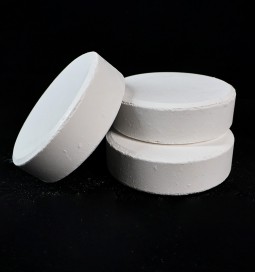
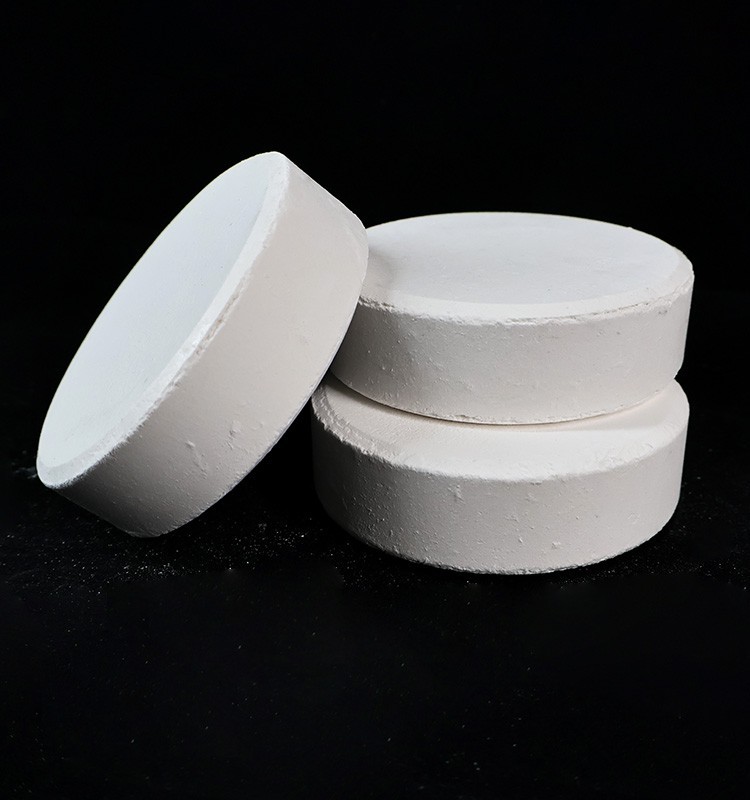
Dehumidifying and drying blocks are moisture-absorbing materials solidified into block or sheet forms through specialized processes. Their primary function is to absorb moisture from the air, reduce environmental relative humidity, and prevent product dampness, deterioration, or damage. Compared to conventional desiccants, dehumidifying drying blocks offer the following advantages:
- Faster moisture absorption rate;
- Higher moisture absorption capacity;
- Sustained and stable moisture absorption capability;
- Resistance to high temperatures and corrosion;
- No powdering or leakage during prolonged use.
Typically based on highly hygroscopic materials such as inorganic minerals, activated silica gel, molecular sieves, or calcium chloride compounds, they are manufactured through processes like compression, curing, and coating. These blocks serve moisture-proofing needs across multiple industries.
Material types vary based on usage environments and moisture absorption requirements. Common types include:
Primarily composed of silica dioxide, these are safe and non-toxic. They maintain their volume after moisture absorption and are suitable for electronics and food packaging.
Feature rapid moisture absorption, capable of absorbing 200%–300% of their own weight. Commonly used in industrial manufacturing, warehousing logistics, and maritime shipping containers.
Utilize natural minerals like montmorillonite and attapulgite. Environmentally friendly and biodegradable with stable moisture absorption properties. Widely used in food, pharmaceutical, and textile industries.
Possess strong water absorption capabilities and function effectively at extremely low humidity levels. Commonly used in precision instruments, optical equipment, and aviation applications.
Combine multiple materials such as calcium chloride, starch gel, and fiber layers. They offer both powerful moisture absorption and leak prevention, making them ideal for long-term transportation and humid regions.
Dehumidifying and drying blocks primarily function through physical or chemical adsorption mechanisms.
Materials like silica gel, mineral compounds, and molecular sieves absorb water molecules from air via their microporous structures. This process involves no chemical reactions and is reversible.
Characteristics: Resistant to deformation, no liquid water leakage, safe and eco-friendly, high-temperature tolerance
Calcium chloride-based desiccant blocks react with atmospheric moisture to form stable solutions, achieving substantial moisture absorption capacity.
Characteristics: Strong moisture absorption, suitable for harsh humid environments; irreversible moisture absorption, suitable for single-use applications; commonly used in maritime shipping and bulk cargo transportation.
Regardless of type, the common goal of desiccant blocks is to effectively reduce environmental humidity, maintaining material dryness and stability.
With modern industrial development, the applications of desiccant blocks have expanded beyond traditional packaging moisture protection into multiple critical fields.
- Chemical Industry
Raw materials like resins, polyamides, polypropylene, and plastic pellets readily absorb moisture, compromising melt performance and molding quality. Desiccant blocks can be deployed in: raw material storage warehouses, feed hoppers, and pre-treatment equipment to ensure low-humidity conditions and enhance finished product quality.
- Electronics Manufacturing
Excessive humidity causes: PCB board moisture absorption and warping, poor chip soldering, and component oxidation failure. Desiccant blocks placed in sealed packaging, electronic cabinets, and equipment interiors guarantee dry electronic components.
- Metal Processing Industry
Prevents rust, mold spots, and oxidation stains on steel, molds, and parts during storage. Desiccant blocks effectively delay corrosion and reduce maintenance costs.
Warehousing environments are highly susceptible to climatic influences, particularly in coastal regions, rainy seasons, and underground warehouses where humidity levels are elevated. Utilizing desiccant blocks can prevent:
- Moisture damage to goods;
- Softening or mold growth on packaging;
- Caking of powdered materials;
- Severe moisture damage caused by container “sweating.”
In international maritime shipping, calcium chloride desiccant blocks have become standard moisture-proofing supplies for large cargo transport.
- Biscuits, nuts, milk powder, tea, health supplements, etc., are highly susceptible to moisture absorption.
- Medicinal tablets and capsules deteriorate or break when absorbing moisture
Desiccant blocks maintain internal packaging dryness, extending product shelf life and enhancing food safety.
Plastic raw materials like PET, PA, and PC exhibit high hygroscopicity and must be fully dried before processing. Desiccant blocks can be used:
- Inside dryers;
- In vacuum hoppers;
- Raw material bag storage.
They improve injection molding quality by preventing defects like bubbles, silver streaks, and cracks.
Dehumidifying blocks are also widely used in residential settings:
- Wardrobe moisture and mold prevention;
- Shoe cabinet odor and humidity control;
- Preventing furniture warping;
- Dehumidifying basements and storage rooms;
- Removing moisture from vehicle interiors.
Their safe and eco-friendly properties make them an ideal choice for everyday moisture control.
Depending on the material, moisture absorption can reach 50%–300% of their own weight.
No power source or maintenance required—simply place them in use.
Most materials are non-toxic and harmless, meeting food and pharmaceutical packaging standards.
Suitable for diverse scenarios including industrial, logistics, warehousing, and household use.
Achieves moisture control without equipment installation, offering significant economic benefits.
With industrial upgrades and the proliferation of green concepts, dehumidifying blocks will evolve toward greater intelligence and environmental sustainability.
(1) Environmentally Friendly, Biodegradable Materials Become Mainstream
Natural minerals, plant fibers, and similar materials will see broader application.
(2) More Efficient Composite Moisture-Absorbing Technology
Multi-material composite desiccant blocks deliver more stable moisture absorption.
(3) Integration with Smart Humidity Monitoring
High-end industries will incorporate smart sensors for humidity monitoring, enhancing moisture management.
(4) Integrated Packaging Moisture Protection
Desiccant blocks will increasingly be integrated into packaging materials, enabling safer sealing methods.
Dehumidifying and drying blocks transcend simple moisture absorption; they are essential tools for safeguarding product quality, boosting production efficiency, and reducing losses. From chemical raw materials to electronic components, large-scale warehousing to international shipping, food packaging to household use, desiccant blocks play a pivotal role. Driven by technological advancements and environmental sustainability, desiccant blocks will continue demonstrating their value across expanding applications, delivering more reliable moisture protection solutions for industrial production and daily life.

 E-mail:jcl@jichanglong.com
 WhatsApp:+8618560709619
 Address:Block B, Polymer Materials Industry Innovation Park,No. 51, Lutai Avenue, High-tech Zone, Zibo City, Shandong Province
China vanadium inhibitors manufacturer Shandong Jichanglong Environmental Engineering Co., Ltd.
Jichanglong specializes in vanadium inhibitor , dehumidification and drying block, calcium hypochlorite disinfectant tablets, polyacrylamide and other products. With over 20 years of experience, we offer quality assurance and wholesale prices.