As living standards rise, swimming pools have evolved from being exclusive features of high-end venues to becoming widely accessible amenities found in hotels, fitness centers, schools, and residential communities alike. Concurrently, the issue of swimming pool water safety has garnered increasing attention. Water quality that is clear, hygienic, and safe is not merely a matter of user experience; it directly impacts human health. Within the context of swimming pool water treatment systems, disinfectants often receive the lion's share of attention; however, relying solely on disinfection cannot fully resolve all water quality issues. Tiny suspended particles, colloidal substances, and organic impurities present in the water often prove difficult to remove through conventional filtration methods alone. It is in this context that flocculants—a critical class of water treatment agents—play an indispensable role. So, what exactly is the function of flocculants in swimming pools? How do they work? And how should they be used correctly? This article provides a comprehensive analysis.
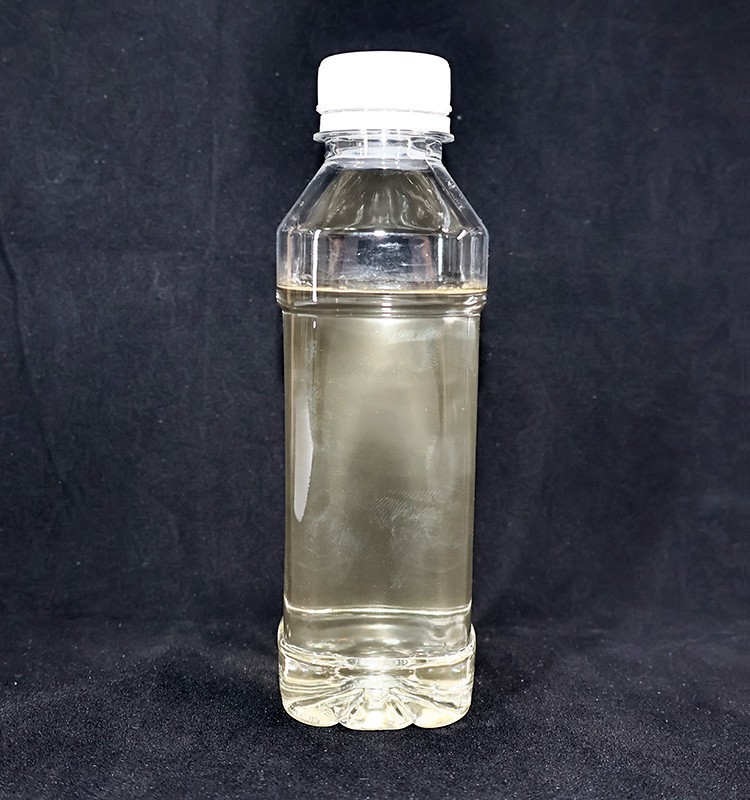
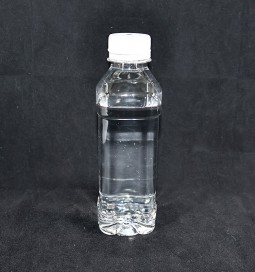
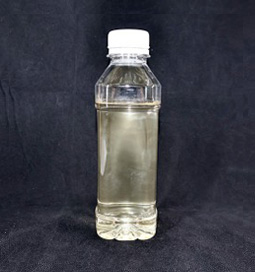
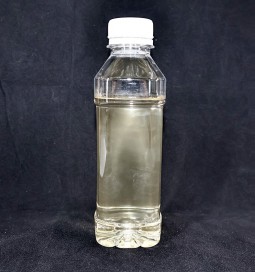
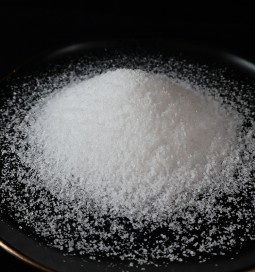
Flocculants are a class of chemical agents designed to induce tiny particles suspended in water to aggregate into larger clusters. Their primary function is to utilize physical and chemical interactions to transform fine impurities—originally suspended in the water—into flocculent masses, thereby making them easier to remove via filtration or sedimentation.
In the realm of swimming pool water treatment, common flocculants include inorganic salts (such as aluminum salts and iron salts) as well as high-molecular-weight organic flocculants. The specific type of flocculant selected for treatment is typically determined by the unique characteristics of the water being treated. While flocculants do not directly kill bacteria or disinfect the water, they play a crucial indirect role by removing impurities, thereby creating optimal conditions for the disinfectants to function effectively.
2. The Core Functions of Flocculants in Swimming Pools
(1) Enhancing Water Clarity
Turbidity in swimming pool water is typically caused by the presence of a large volume of tiny suspended particles; these particles are so minute that standard filtration systems struggle to remove them completely. Flocculants address this issue by aggregating these micro-particles into larger floccules, making them easier for the filtration system to capture and thereby significantly enhancing the water's clarity.
(2) Removing Colloids and Fine Contaminants
Contaminants found in swimming pool water extend beyond visible particles to include colloidal substances—such as oils, sweat residues, and cosmetic ingredients. These substances typically carry an electrical charge, allowing them to remain stably suspended within the water. Flocculants work by neutralizing these electrical charges, causing the substances to lose their stability, aggregate together, and settle out of the water. (3) Enhancing Filtration System Efficiency
Once microscopic particles have been flocculated into larger aggregates, the operational efficiency of the filtration system improves significantly. This not only enhances filtration performance but also extends the service life of the filtration equipment.
(4) Reducing Disinfectant Consumption
The higher the concentration of impurities in the water, the greater the consumption of disinfectants. By removing contaminants through flocculation, the wasteful consumption of disinfectants is minimized, thereby lowering operating costs.
3. Analysis of the Mechanism of Flocculants
The action of flocculants can be likened to the process of "piling grains of sand to build a tower." Its core mechanism primarily involves charge neutralization and bridging effects.
First, suspended particles in water typically carry a negative charge; consequently, they repel one another and do not naturally aggregate. The positively charged ions within flocculants neutralize these charges, causing the particles to lose their stability. Second, polymeric flocculants utilize their molecular chain structures to link multiple particles together, forming larger flocs. Under the influence of gravity, these flocs gradually settle out or are intercepted by the filtration system.
Although this process occurs at the microscopic level, its effects result in a significant, macroscopic improvement in water quality.
4. Application Characteristics of Different Flocculant Types in Swimming Pools
In practical applications, different types of flocculants exhibit distinct characteristics.
- Inorganic flocculants are lower in cost and suitable for the water treatment of most standard swimming pools. However, their use may generate some precipitate, necessitating their use in conjunction with a filtration system.
- Organic polymeric flocculants offer higher flocculation efficiency and require lower dosages, though their cost is relatively higher; they are best suited for facilities with stringent water quality requirements.
When making a selection, a comprehensive assessment should be conducted based on the specific water quality conditions, treatment objectives, and economic costs.
5. Key Factors Influencing Flocculation Effectiveness
The effectiveness of flocculants is not static; rather, it is influenced by a variety of factors.
(1) Water pH: Different flocculants perform optimally within specific pH ranges; therefore, controlling water quality parameters is essential.
(2) Dosage: Both excessive and insufficient dosages can compromise effectiveness; administering the appropriate dosage is critical.
(3) Water temperature, contaminant concentration, and the operational status of the circulation system also exert an influence on flocculation results.
6. Methods of Applying Flocculants in Swimming Pool Maintenance
In actual operations, flocculants are typically applied using one of two methods. One method is continuous dosing, used for routine maintenance to keep water quality stable. The other is shock dosing, employed when water quality has visibly deteriorated, to rapidly restore clarity. During application, the dosing schedule should be coordinated with the filtration system's operating hours to ensure that the resulting flocs are effectively removed.
7. Common Misconceptions and Usage Issues
In pool management, several common misconceptions can compromise the effectiveness of flocculants.
For instance, some people mistakenly believe that flocculants can serve as a substitute for disinfectants; this is incorrect. The primary function of flocculants is to remove impurities, not to kill bacteria. Additionally, some users wait until water quality has already deteriorated significantly before applying flocculants, which makes the subsequent treatment process much more difficult. Furthermore, neglecting the maintenance of the filtration system can also negatively impact the overall effectiveness of the water treatment process.
8. The Synergistic Relationship Between Flocculants and Pool Water Treatment Systems
Flocculants do not function in isolation; rather, they work synergistically with the entire water treatment system. Together with disinfectants, filtration systems, and circulation systems, they form a comprehensive water treatment framework. Optimal results can only be achieved when all these components operate in harmony. For example, once flocculants have removed impurities, disinfectants can kill bacteria more effectively, thereby enhancing the overall safety of the pool water.
9. Industry Development Trends
As environmental protection standards become more stringent, the development of flocculants is trending toward greater efficiency, lower toxicity, and enhanced eco-friendliness. New-generation products are designed to improve treatment efficiency while simultaneously minimizing their environmental impact. The integration of intelligent water treatment systems allows for more precise flocculant dosing, enabling automated control and real-time monitoring. In the future, pool water treatment is expected to become even more intelligent and efficient, making the role of flocculants increasingly vital.
Overall, flocculants play a pivotal role in pool water treatment. By removing suspended particles and colloidal substances, they enhance water clarity, boost filtration efficiency, and reduce the consumption of disinfectants. For pool operators, the judicious use of flocculants not only improves water quality but also helps lower operating costs and enhances the overall user experience. Through scientific management and proper application, flocculants will continue to serve as an essential tool for safeguarding pool water quality.

 E-mail:jcl@jichanglong.com
 WhatsApp:+8618560709619
 Address:Block B, Polymer Materials Industry Innovation Park,No. 51, Lutai Avenue, High-tech Zone, Zibo City, Shandong Province