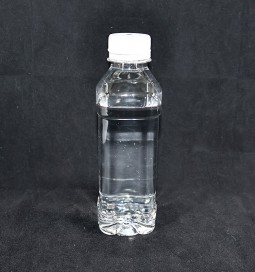
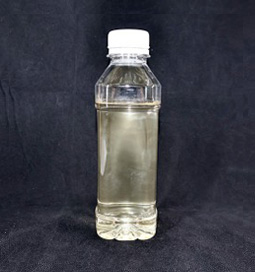
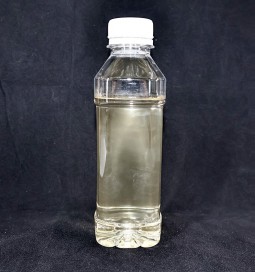
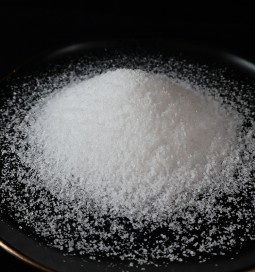
Against the backdrop of increasingly scarce water resources and rising environmental standards, water treatment technology has become an indispensable component in industrial production and urban operations. Whether for drinking water purification, municipal sewage treatment, industrial wastewater reuse, or mining and papermaking processes, the efficient removal of suspended solids, colloidal impurities, and pollutants remains the core challenge for water treatment systems. Among numerous water treatment chemicals, flocculants are widely applied across various scenarios due to their high efficiency, cost-effectiveness, and adaptability. They are regarded as key materials for enhancing treatment efficiency and water quality stability. This article will thoroughly explore the advantages of flocculants, analyzing their applications and significance across different fields.
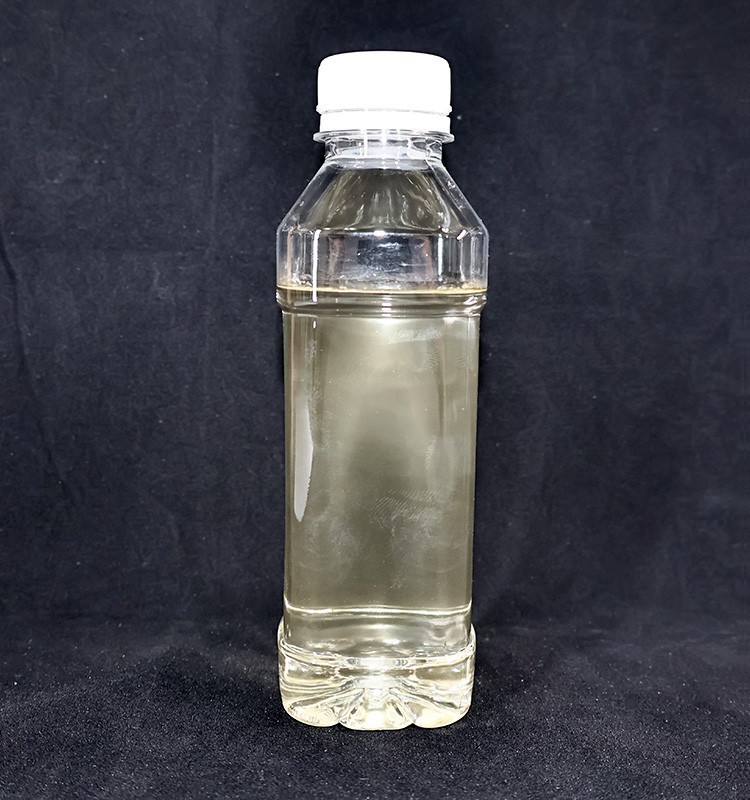
Flocculants are chemical additives that promote the aggregation and sedimentation of dispersed microscopic particles, colloidal substances, or suspended pollutants in water. In their natural state, fine particles in water typically carry similar charges, causing mutual repulsion that hinders natural settling. The addition of flocculants disrupts this stable state, enabling particles to adsorb onto each other and form bridges, ultimately creating larger, loosely structured “flocs” that are easily separated.
Based on chemical properties and modes of action, flocculants are primarily classified into two major categories:
These primarily include aluminum sulfate, polyaluminum chloride (PAC), ferric chloride, and ferrous sulfate. Such flocculants destabilize and aggregate colloidal particles by neutralizing charges and compressing the double electric layer.
Represented by polyacrylamide (PAM), these include cationic, anionic, and nonionic types. They primarily connect multiple fine particles into larger flocs through the adsorption and bridging action of polymer chains.
Through proper combination and selection, flocculants can adapt to different water quality conditions, significantly enhancing treatment efficiency.
One of the most notable advantages of flocculants is their ability to rapidly and effectively remove suspended solids and colloidal substances from water. In water treatment processes, suspended solids and colloidal substances are often difficult to remove through simple sedimentation or filtration. However, when flocculants are used, suspended solids quickly aggregate into larger flocs. These flocs are easier to settle or filter, significantly improving water purification efficiency.
Application Examples:
- Drinking Water Treatment: In potable water processing, flocculants efficiently remove bacteria, viruses, suspended solids, silt, and other impurities to ensure water safety.
- Wastewater Treatment: During municipal sewage and industrial effluent processing, flocculants effectively eliminate organic matter and heavy metal ions, reducing water pollution levels.
Flocculants enable rapid aggregation of particulate matter into larger flocs, significantly increasing particle settling velocity. This substantially enhances treatment efficiency in sedimentation tanks and basins, shortening processing time and reducing operational costs.
Application Examples:
- Mineral Processing: In mining operations, flocculants are used to improve ore recovery rates and accelerate slurry settling, thereby boosting production efficiency.
- Pulp and Paper Manufacturing: During pulp production, flocculants enhance impurity removal rates in pulp, improving paper quality.
Compared to traditional physical and mechanical methods (such as filtration and sedimentation), the use of flocculants significantly reduces secondary pollution. For instance, during flocculation, settled particles form tighter aggregates, leaving fewer harmful residues in the water and lowering the risk of secondary contamination in water bodies.
Application Examples:
- Industrial wastewater treatment: Many industrial effluents contain harmful substances like heavy metals and oils. Flocculants remove these pollutants from water, effectively preventing their entry into ecosystems.
- Agricultural irrigation: Water treated with flocculants prevents impurities from clogging irrigation systems, improving the quality of agricultural water.
The use of flocculants reduces energy requirements in water treatment processes. For instance, by accelerating sedimentation rates, flocculants decrease reliance on equipment in subsequent filtration and purification steps, thereby optimizing water treatment workflows and lowering energy consumption and capital investment in equipment.
Application Examples:
- Water Treatment Plants: In water treatment plants, flocculants reduce reaction times and energy consumption during filtration, thereby lowering production costs.
- Industrial Water Circulation Systems: By optimizing water quality with flocculants, industrial systems not only increase water reuse rates but also reduce operational stress on treatment equipment.
Modern flocculants generally exhibit low toxicity and are predominantly eco-friendly products. Their use in both water treatment and wastewater processes ensures high safety, environmental friendliness, and compliance with current green environmental standards.
Application Examples:
- Food Processing Industry: Flocculant use in food processing ensures cleanliness and compliance with relevant food safety standards.
- Biodegradable Flocculants: The market now offers numerous biodegradable flocculants that naturally decompose in the environment, minimizing ecological impact.
Different flocculant types cater to varied water treatment needs. Whether treating oily wastewater, heavy metal-laden industrial effluents, or drinking water and sewage, flocculants provide targeted solutions for diverse water treatment requirements.
Application Examples:
- Metallurgical Industry: Flocculants are used to treat wastewater containing iron or aluminum ores in metallurgical processes, effectively removing suspended solids and recovering valuable metals.
- Petroleum Industry: Flocculants are widely employed in oil drilling and refining operations to treat oily wastewater, remove oil contamination, and improve water quality.
Compared to traditional water treatment methods (such as chemical dosing or electrolysis), flocculants offer relatively lower costs and simplified operation. Their highly efficient aggregation properties enable cost-effective purification of large water volumes, making them widely adopted in industrial and domestic water treatment.
Application Examples:
- Municipal wastewater treatment: Municipal treatment plants utilize flocculants to process wastewater, ensuring water safety while controlling treatment costs and reducing pressure on public resources.
- Wastewater reuse: By adding appropriate amounts of flocculants, enterprises can treat wastewater for recycling and reuse, lowering corporate water costs.
Despite their significant advantages, the following considerations must be observed during practical application to ensure optimal performance:
(1) Selecting Appropriate Flocculants: Choose flocculant types based on suspended solids characteristics—including composition, particle size, and pH—to prevent treatment inefficiencies from mismatched formulations.
(2) Controlling Dosage: Insufficient flocculant may fail to effectively remove pollutants, while excessive amounts can generate excessive flocs, complicating subsequent treatment. Precise dosing based on actual water quality is essential.
(3) Mixing and Reaction Time: Flocculant efficacy is closely tied to thorough mixing and adequate reaction time. Ensuring complete dissolution and allowing sufficient reaction time enhances flocculation efficiency.
(4) Selecting Environmentally Friendly Products: With heightened environmental standards, prioritize eco-friendly flocculants to prevent secondary water pollution.
Overall, flocculants occupy an irreplaceable position in modern water treatment due to their high efficiency in contaminant removal, energy savings, strong adaptability, and outstanding cost-effectiveness. They not only elevate water treatment efficiency and water quality safety standards but also provide reliable support for industrial production and urban operations. As environmental regulations become increasingly stringent and the demand for water resource recycling grows, flocculant technology will continue advancing toward greater efficiency, greener solutions, and smarter applications, unlocking expanded value across more industries and scenarios.

 E-mail:jcl@jichanglong.com
 WhatsApp:+8618560709619
 Address:Block B, Polymer Materials Industry Innovation Park,No. 51, Lutai Avenue, High-tech Zone, Zibo City, Shandong Province
China vanadium inhibitors manufacturer Shandong Jichanglong Environmental Engineering Co., Ltd.
Jichanglong specializes in vanadium inhibitor , dehumidification and drying block, calcium hypochlorite disinfectant tablets, polyacrylamide and other products. With over 20 years of experience, we offer quality assurance and wholesale prices.