The quality of swimming pool water directly impacts swimmers' health and comfort. To ensure water remains clean and transparent, beyond routine disinfection and filtration, flocculants—as vital water treatment chemicals—play an indispensable role in improving pool water quality. Through chemical reactions, flocculants help remove minute suspended particles, impurities, and harmful substances from water, enhancing water quality to ensure swimming pools remain clear and hygienic.
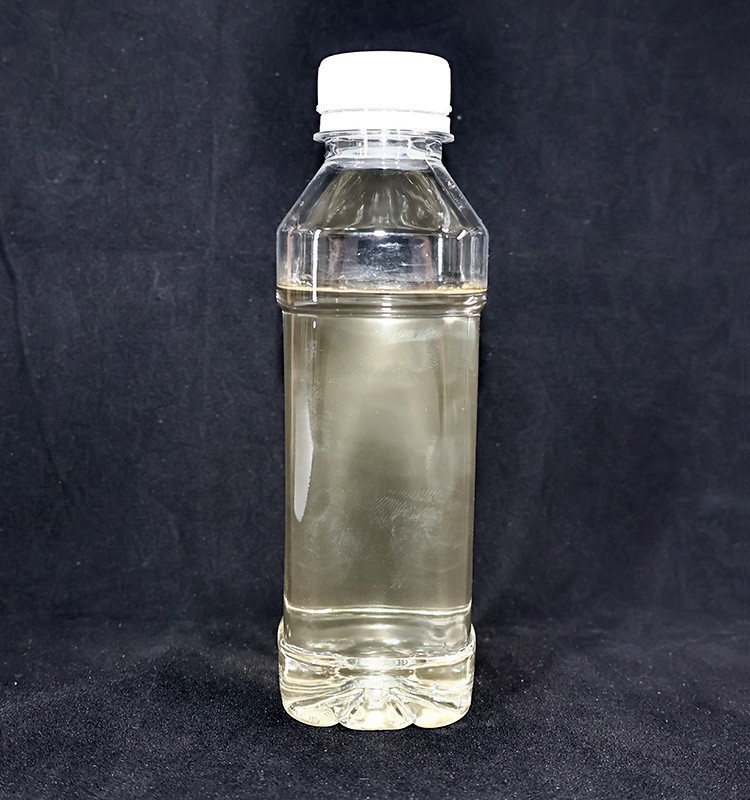
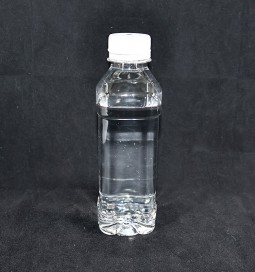
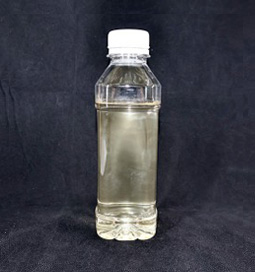
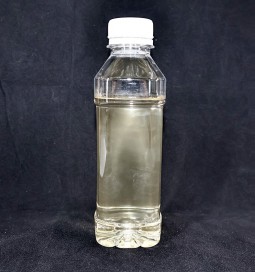
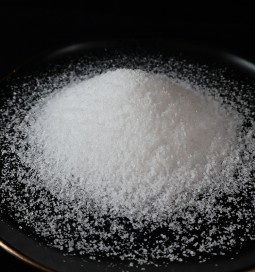
Flocculants are chemicals that cause fine suspended particles and debris in water to aggregate and settle. Through chemical reactions, flocculants bind with microscopic particles in water to form larger flocs (or “flocculants”). These flocs are significantly larger than the original particles, enabling their effective removal through the pool's filtration system. Flocculants are typically added to water in liquid or powder form and are suitable for various water treatment applications, including swimming pool water, drinking water, and industrial wastewater.
In swimming pool water treatment, flocculants are often used alongside other water treatment chemicals, such as chlorine disinfectants and pH adjusters. They significantly improve pool water quality, playing an indispensable role in removing organic matter, bacteria, microorganisms, and various particulates from the water.
Pool water often contains substantial amounts of suspended solids, dust, bacteria, organic matter, and microorganisms. Although pools are typically equipped with filtration systems, many minute particles remain difficult to remove completely. This is where flocculants play a crucial role, effectively aiding in the removal of fine particulate matter.
Flocculants chemically react with minute particles in water, aggregating them into larger flocs. These flocs are denser and larger, making them easier for filtration systems to capture and remove. Through this aggregation and sedimentation process, suspended solids and fine particles are effectively eliminated, significantly improving water quality.
Despite modern pools being equipped with advanced filtration systems, certain fine suspended particles remain difficult to remove due to their varied sizes and types. Flocculants cause these particles to aggregate into larger masses, accelerating their settling rate. This enables filtration systems to capture them more efficiently, thereby improving overall water purification effectiveness.
Organic substances and bacteria in pool water typically originate from swimmers' sweat, skin flakes, urine, and dust from the surrounding environment. Flocculants not only remove inorganic particles but also bind with certain organic compounds to form larger flocs, which are then effectively eliminated through the filtration system. Simultaneously, flocculants assist disinfectants (such as chlorine) in eliminating microorganisms like bacteria and viruses, further elevating water sanitation levels.
Based on composition and mechanism of action, flocculants fall into several categories, primarily divided into inorganic and organic flocculants. Different types of flocculants are suitable for varying pool water conditions and treatment requirements.
Inorganic flocculants are primarily metal salt compounds, including potassium aluminum sulfate, ferric chloride, and aluminum sulfate. These compounds possess strong coagulation properties, rapidly reacting with suspended particles in water to form larger flocs.
Advantages:
- Rapid action, effectively aggregating particles in water within a short timeframe;
- Suitable for most pool water conditions, particularly effective when treating water with high organic content;
- Lower usage costs.
Disadvantages:
- May increase metal ion levels in water;
- Sensitive to water pH, potentially requiring pH adjusters;
- Produces a certain amount of sludge requiring regular removal.
Organic flocculants are typically composed of polymeric materials, with common examples including polyacrylamide (PAM) and polyaluminum chloride (PAC). These organic compounds exhibit strong flocculation capabilities in pool water, rapidly aggregating fine particles.
Advantages:
- Strong adaptability to water quality, effectively removing fine suspended solids and organic pollutants;
- Generates minimal sludge during use, simplifying cleanup;
- Minimally alters water pH levels.
Disadvantages:
- Higher cost;
- Sensitive to ionic strength in water, requiring careful concentration and dosage control during application.
Proper use of flocculants ensures optimal purification of pool water. Below are fundamental application methods and precautions:
Direct Addition: Pour flocculant directly into pool water. Dissolving it first and evenly distributing it across the surface maximizes effectiveness.
Solution Addition: Dissolve flocculant in water to prepare a solution before dosing. This method allows better control over flocculant concentration and dosage.
Flocculant dosage depends on pool water quality, suspended solids concentration, pool volume, and other factors. Specific usage amounts and ratios are typically provided in the product instructions. Higher doses may be required for complex water conditions or high suspended solids levels.
It is usually recommended to add flocculants when the pool water is clean and the filtration system is functioning properly. The optimal time for application is when the pool water appears cloudy or filtration efficiency is insufficient, as flocculants can then more effectively remove fine particulate matter from the water.
Flocculants are typically used in conjunction with other water treatment chemicals such as chlorine disinfectants and pH adjusters. Chlorine eliminates bacteria, while flocculants remove suspended solids, achieving comprehensive water purification.
Flocculants effectively remove fine particles and impurities, resulting in clearer, more transparent water. This is crucial for pool aesthetics and user experience, with particularly noticeable effects during high-traffic periods.
By promoting particle aggregation, flocculants make larger particles easier for pool filtration systems to capture, thereby improving filtration efficiency and reducing maintenance.
Flocculants not only remove suspended solids but also enhance the effectiveness of disinfectants in killing microorganisms, ensuring the sanitary safety of pool water.
While flocculants deliver significant benefits in pool water treatment, certain precautions must be observed during use to prevent unnecessary issues:
(1) Avoid Overuse: Excessive flocculant can create excessive floc in the water, impairing filtration efficiency and potentially clogging filters.
(2) Regularly Monitor Water Quality: Periodically test pool water parameters like pH and turbidity to maintain optimal conditions.
(3) Ensure Uniform Application: Distribute flocculant evenly to prevent localized water quality changes caused by concentrated dosing.
(4) Regularly remove sludge: Flocculants form flocs that settle at the pool bottom. These require periodic removal to prevent sludge buildup from degrading water quality.
In summary, the role of flocculants in pool water treatment is indispensable. Through scientific and rational application, flocculants significantly enhance pool water clarity, boost filtration system efficiency, improve water sanitation, and reduce maintenance workload for pool managers. As water treatment technologies continue to advance, the types and application methods of flocculants will undergo further optimization. In the future, flocculants will continue to play a vital role in driving improvements in pool water quality and safeguarding public health.

 E-mail:jcl@jichanglong.com
 WhatsApp:+8618560709619
 Address:Block B, Polymer Materials Industry Innovation Park,No. 51, Lutai Avenue, High-tech Zone, Zibo City, Shandong Province
China vanadium inhibitors manufacturer Shandong Jichanglong Environmental Engineering Co., Ltd.
Jichanglong specializes in vanadium inhibitor , dehumidification and drying block, calcium hypochlorite disinfectant tablets, polyacrylamide and other products. With over 20 years of experience, we offer quality assurance and wholesale prices.