In modern industrial water treatment, wastewater treatment, and drinking water purification processes, flocculants play a crucial role. As a key chemical agent in water treatment systems, flocculants can rapidly aggregate suspended particles in water to form settleable flocs, thereby significantly improving water clarity and treatment efficiency. However, a common concern for users is: how quickly do flocculants take effect? This question directly affects process design, dosage, and operation and management of the water treatment system. This article will systematically analyze the working principle of flocculants, factors affecting their onset speed, application scenarios, and optimization methods to provide scientific reference.
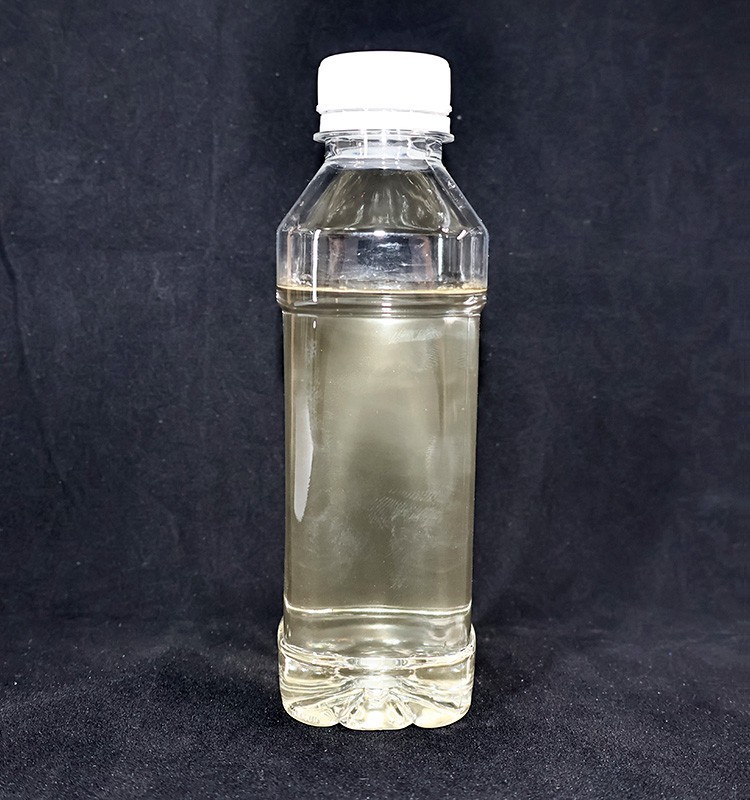
Flocculants are a class of high-molecular-weight or inorganic chemical substances that, through coagulation and polymerization, cause suspended particles in water to form larger flocs, thereby accelerating the sedimentation and filtration process. Commonly used flocculant types include:
(1) Inorganic flocculants: such as aluminum sulfate and ferric chloride, which mainly neutralize the surface charge of colloidal particles in water through chemical processes, promoting particle aggregation.
(2) Polymer flocculants: such as polyacrylamide (PAM), which form flocs through polymer chain adsorption and bridging, have a rapid onset of action and a significant effect on water purification.
(3) Composite flocculants: combining inorganic and organic components, they have the advantages of rapid onset of action and stable sedimentation, and are suitable for complex water quality environments.
The main functions of flocculants include: reducing water turbidity, increasing sedimentation rate, reducing floc breakage, and optimizing sludge dewatering.
(1) Rapid adsorption stage: After the flocculant is added, its molecules are rapidly adsorbed onto the surface of suspended particles in the water, changing the surface charge of the particles, weakening electrostatic repulsion, and creating conditions for aggregation.
(2) Floc formation stage: Polymer flocculants connect multiple particles through chain structures to form preliminary flocs. This stage is usually completed within a few seconds to a few minutes, and the onset speed is affected by the type of flocculant, water temperature, water quality, etc.
(3) Settling and Dewatering Stage: The formed flocs begin to settle due to increased density and are separated through a sedimentation tank or filtration system. Settling efficiency and final water clarity are closely related to the flocculant's onset speed.
In general, the onset speed of a flocculant is a comprehensive performance indicator, involving chemical reaction rate, physical adsorption, molecular structure, and operating conditions.
The onset speed of flocculants in practical applications is not fixed but is affected by many factors:
- Suspended Particle Concentration: When the particle concentration is high, the flocculant requires a longer time to complete adsorption and polymerization.
- Water Temperature: Low-temperature water reduces the speed of molecular motion, thus slowing down the onset speed of the flocculant.
- Water pH Value: Some inorganic flocculants take effect fastest within a specific pH range; deviating from this range may reduce efficiency.
- Electrolytes and Organic Matter in Water: The concentration of ions and the content of natural organic matter in the water affect the adsorption effect of the flocculant and the stability of the flocs.
- Molecular Weight: High molecular weight flocculants have larger molecular weights and longer chains, resulting in stronger bridging effects and faster floc formation.
- Cationic/Anionic Properties: Flocculants that match the surface charge of particles in water take effect more quickly.
- Dosage Form: Powder, granular, or solution form affects dissolution and dispersion rates, thus affecting the onset time.
- Dosing Method: Uniform and rapid dosing accelerates flocculant adsorption; uneven dispersion leads to slow localized onset.
- Stirring Intensity: Appropriate mixing and stirring can promote contact between flocculant molecules and suspended particles, increasing the reaction rate; however, excessive stirring may damage the initial flocs.
- Flow Rate and Residence Time: The residence time in a water treatment system determines whether the flocculant has sufficient time to function.
- Hydraulic Conditions: Rapid or turbulent flow may affect floc formation and settling efficiency, thus affecting the perceived effectiveness.
Typical products: aluminum sulfate, ferric chloride
Onset speed: Initial floc formation is generally completed within a few minutes, suitable for rapid settling of high turbidity water, but the settling stability is greatly affected by water quality.
Typical product: polyacrylamide
Onset speed: Obvious flocs can be seen in a few seconds to a few minutes, especially performing well in the treatment of low turbidity water or fine suspended particles.
Advantages: Good floc stability, high settling efficiency, and low reagent dosage.
Features: Combining inorganic and organic components, it has both rapid coagulation and polymer bridging effect.
Onset speed: Excellent comprehensive performance, suitable for industrial wastewater, dyeing and printing wastewater and complex water quality environments.
(1) Drinking water purification: Polymer flocculants can form obvious flocs in water within 30 seconds to 3 minutes, greatly improving the efficiency of sedimentation tanks.
(2) Wastewater treatment plants: Inorganic flocculants typically complete initial floc formation within 3 to 10 minutes, while composite flocculants can significantly reduce turbidity within 1 to 5 minutes.
(3) Industrial circulating water treatment: High-efficiency flocculants take effect quickly, shortening the residence time of circulating water, improving system operating efficiency, and reducing the risk of equipment scaling.
(1) Scientifically select the type of flocculant: Select the most suitable inorganic, polymeric, or composite flocculant based on the water quality characteristics.
(2) Control the dosage and method: Accurately calculate the dosage of the agent, adopt uniform addition and rapid dispersion methods to ensure that the flocculant fully contacts the suspended particles.
(3) Adjust water conditions: Appropriately adjust the pH value, temperature, and hydraulic conditions to provide the best reaction environment for the flocculant.
(4) Optimize stirring and residence time: Provide appropriate stirring at the initial stage of addition to accelerate particle aggregation; ensure that the sedimentation tank has sufficient residence time to complete settling.
(5) Regular monitoring and evaluation: Monitor the flocculant effect through turbidity, particle size, and settling rate, and adjust process parameters in a timely manner.
(1) Believing flocculants work immediately: In reality, although flocculants show initial effects within seconds to minutes, final settling and water purification still require a certain amount of time.
(2) Ignoring water quality differences: Different water bodies react differently to flocculants; blindly adding them may lead to incomplete settling.
(3) Over-reliance on polymeric flocculants: Polymeric flocculants work quickly, but in high-turbidity or specially polluted water, composite or inorganic flocculants are still indispensable.
(1) High-efficiency, fast-acting flocculants: New types of polymeric composite flocculants have a faster onset time, reducing it to the order of seconds, meeting the needs of rapid treatment.
(2) Environmentally friendly flocculants: Biodegradable and low-toxicity materials are becoming mainstream, ensuring rapid water purification while protecting the environment. (3) Intelligent Dosing System: Combined with online turbidity monitoring, this system achieves automated control, optimizing the flocculant's onset speed and dosing efficiency.
(4) Multifunctional Composite Agent: Combining algae removal and scale inhibition functions, this system enhances overall water treatment performance while the flocculant is effective.
The onset speed of flocculants is a key indicator affecting water treatment efficiency. Polymer, inorganic, and composite flocculants exhibit varying performance in different water qualities and application scenarios. However, generally speaking, modern flocculants, under reasonable process design, can typically form noticeable flocs within seconds to minutes, significantly improving water purification efficiency. In practical applications, enterprises should scientifically optimize based on water quality characteristics, flocculant type, dosing method, and system conditions to achieve the best water purification effect. In the future, with the development of efficient, environmentally friendly, and intelligent technologies, the rapid onset of flocculants will further improve industrial water treatment and environmental protection levels, providing strong support for sustainable water resource management.

 E-mail:jcl@jichanglong.com
 WhatsApp:+8618560709619
 Address:Block B, Polymer Materials Industry Innovation Park,No. 51, Lutai Avenue, High-tech Zone, Zibo City, Shandong Province
China vanadium inhibitors manufacturer Shandong Jichanglong Environmental Engineering Co., Ltd.
Jichanglong specializes in vanadium inhibitor , dehumidification and drying block, calcium hypochlorite disinfectant tablets, polyacrylamide and other products. With over 20 years of experience, we offer quality assurance and wholesale prices.