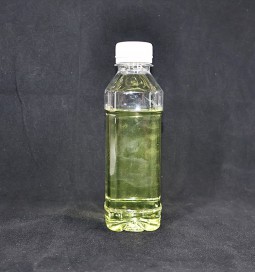
Biocides are chemical substances or formulations used to control, inhibit, or eliminate harmful microorganisms. They are widely used in sectors such as water treatment, industrial production, construction materials, sanitation and disinfection, food production facilities, and the oil and gas industry. In modern industry, microbial growth can not only affect product quality but also lead to equipment corrosion, pipeline clogging, odor generation, and reduced production efficiency. Consequently, the proper use of biocides has become a crucial method for microbial control across many industries.
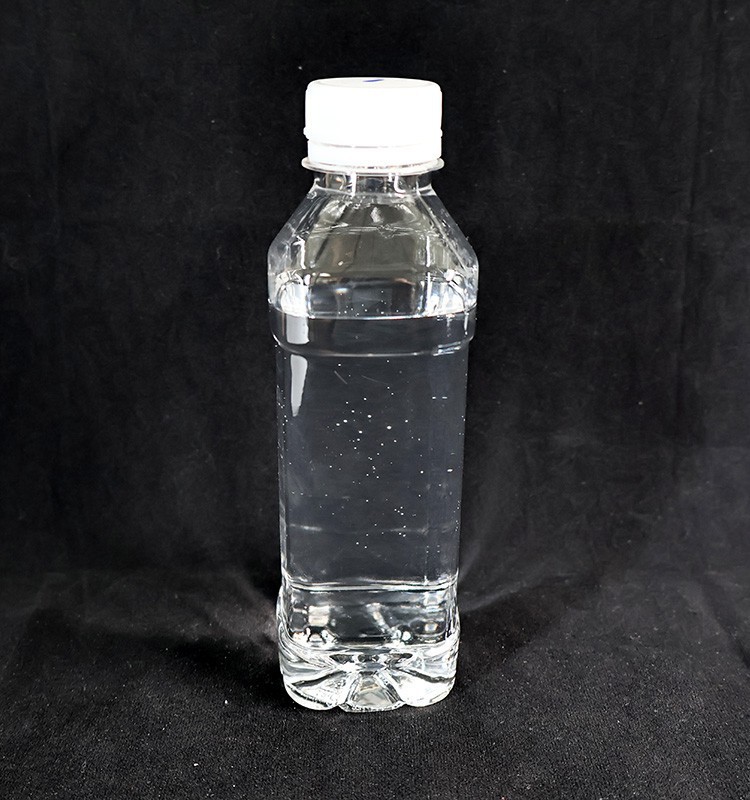
Biocides are substances or formulations used to control harmful organisms or microorganisms; the term generally refers to products capable of killing or inhibiting bacteria, fungi, algae, and other target microorganisms. However, the specific targets and scope of action for a given product depend on its active ingredients, formulation, and validated applications.
In industrial production, microorganisms can be found in circulating cooling water, process water, storage tanks, pipelines, papermaking systems, coatings, and other water-based products. Without effective management, microorganisms can form biofilms, generate odors, compromise product stability, and even accelerate localized equipment corrosion.
By targeting specific microorganisms, biocides help enterprises manage these risks. However, they typically form only one part of a comprehensive microbial management strategy and cannot fully replace filtration, cleaning, system maintenance, and other necessary sanitary control measures.
Water treatment is a major application area for biocides. Industrial circulating water, cooling water, certain process waters, and water storage systems can provide environments conducive to the growth of bacteria, algae, and other microorganisms. Microorganisms can proliferate rapidly, particularly when water temperatures are favorable, nutrients are abundant, or water flow is insufficient.
Biocides are used to control the growth of target microorganisms, helping to maintain the cleanliness and operational stability of water systems. Depending on system design and water quality characteristics, industrial water treatment programs may employ oxidizing biocides, non-oxidizing biocides, or other validated microbial control technologies. However, the selection of biocides for water treatment systems requires a comprehensive assessment of water quality, temperature, pH value, contamination load, equipment materials, and discharge requirements. Suitability should be determined based on supplier technical data and system management requirements.
Industrial recirculating cooling systems are commonly found in power generation, chemical processing, metallurgy, machinery manufacturing, and other continuous production industries. These systems typically require the continuous circulation of large volumes of water to dissipate heat generated by equipment or processes. Inadequate microbial control can lead to issues such as slime, biofilm, algae growth, or unpleasant odors within the system. Deposits and biofilms can impede water flow, reduce the efficiency of heat exchange equipment, and increase maintenance costs.
In such cases, biocides can be used as part of the recirculating water treatment strategy to reduce microbial load and help control biofouling. Actual effectiveness depends on the type of biocide, system operating conditions, the specific microorganisms present, and the proper coordination with other water treatment measures.
In the oil and gas industry, microorganisms may be present in injection water, storage facilities, pipelines, and certain production systems. Certain microorganisms can contribute to sulfide formation or influence metal corrosion processes, and may also cause changes in water quality, unpleasant odors, and deposit-related issues.
Where process requirements allow, specialized biocides can be used to control target microorganisms in these systems, thereby reducing operational risks associated with microbial activity. Some oilfield water treatment and production systems incorporate microbial control into their comprehensive maintenance plans to reduce the need for pipeline maintenance, equipment cleaning, and other related operations.
Water-based coatings, emulsions, adhesives, and certain construction materials may be susceptible to contamination by microorganisms—such as bacteria, yeast, or mold—during production, storage, or use. During storage, microbial contamination can lead to unpleasant odors, changes in viscosity or color, phase separation, or other quality issues. For some products, these changes can adversely affect application performance and storage stability. Preservative-type biocides suitable for specific materials can help control microbial growth within products, thereby reducing the risk of microbial spoilage during storage.
Additionally, in the fields of construction materials and surface protection, specially designed preservative or anti-mold products can be applied to specific materials or surfaces to mitigate the impact of biological growth, such as mold. However, protecting products in their containers differs from protecting coated architectural surfaces; the products and evaluation methods required for each application vary.
Paper manufacturing typically involves large volumes of process water, fiber slurries, and circulation systems. Under favorable conditions, microorganisms can proliferate within equipment, piping, and slurry systems, forming sticky deposits.
These deposits can compromise paper surface quality, leading to defects, production interruptions, or the need for increased equipment cleaning. Certain microbial activities may also cause unpleasant odors or other process-related issues.
In the paper industry, specialized biocides are used to control target microorganisms in process water and related systems, helping to reduce slime and bio-contamination while maintaining production stability.
During textile manufacturing, water-based processing fluids, storage environments, and finished materials can be susceptible to microbial impact. Textile materials are particularly prone to developing odors or mold growth, especially in humid conditions.
Depending on the specific application, biocides or antimicrobial finishing agents may be used to control microorganisms in processing systems or to impart proven antimicrobial properties to specific textile materials.
It is important to distinguish between microbial control in industrial processing fluids and antimicrobial finishing for finished textiles; the product types, usage conditions, performance requirements, and regulatory constraints involved in each case may differ. For textile products intended for prolonged human contact, considerations such as skin safety, active ingredient residues, wash durability, and regulatory requirements in target markets must also be addressed.
In appropriate hygiene management scenarios, biocides can also be used to control harmful microorganisms on specific surfaces, on equipment, or in environments. For instance, certain approved disinfectant products are used in public facilities, industrial sites, and for other designated hygiene and disinfection purposes. There are significant differences regarding the intended applications of various disinfection products. Some are suitable for general hard surfaces, while others are designed for specific equipment or specialized sanitary environments. Not all industrial biocides are suitable for direct application to human skin, food-contact surfaces, or medical facilities.
Therefore, when selecting hygiene and disinfection products, one must verify the product label, approved uses, target microorganisms, contact time, and usage limitations. Only products that meet the relevant requirements should be used for designated disinfection applications.
(1) Biocides help control microbial populations, reducing the risk of issues such as biofilm formation, slime accumulation, unpleasant odors, and microbial contamination. In recirculating water systems and process water systems, proper microbial management helps maintain system cleanliness and operational stability.
(2) Biocides help protect the quality of certain industrial products. For instance, in applicable water-based coatings and industrial formulations, appropriate preservatives can mitigate the risk of microbial-induced odors, viscosity changes, and product spoilage, thereby reducing unnecessary waste and rework.
(3) Microbial control helps alleviate the burden of cleaning and maintaining certain equipment. For systems susceptible to biofouling, effective treatment strategies can help reduce deposit accumulation; however, actual results also depend on system design, operational management, and other maintenance measures.
(4) Biocides can be used in conjunction with measures such as filtration, cleaning, scale inhibition, corrosion inhibition, and hygiene management to form a comprehensive microbial control strategy. Through integrated management, enterprises can address microbial issues in a more targeted manner rather than relying on a single chemical to resolve all system malfunctions.
(1) Clearly identify the types of microorganisms requiring control. Bacteria, fungi, algae, and other target microorganisms may exhibit varying sensitivities to different products; therefore, product selection should be based on the specific problem at hand and test results.
(2) Evaluate system operating conditions. For water treatment systems, consider factors such as water quality, temperature, pH, contamination load, and material composition; for coatings or other industrial formulations, consider product composition, storage conditions, compatibility, and intended shelf life.
(3) Check the product's scope of application and regulatory requirements. Certain biocides are restricted to specific industrial applications and must not be used directly on food, on the human body, or in other highly regulated contexts. Suitability for use should be determined based on valid labeling, technical documentation, and the regulations of the target market.
(4) Compatibility with other chemicals must be verified. Industrial systems often employ multiple treatment agents simultaneously; interactions between different products can compromise treatment efficacy or increase safety risks. Therefore, any combined treatment strategy should be evaluated by qualified personnel with appropriate expertise.
(5) Factors such as product performance, usage costs, equipment compatibility, wastewater treatment requirements, and maintenance needs should be comprehensively considered. A biocide suitable for one system may not be appropriate for another. For continuous production facilities or complex processes, it is recommended to formulate treatment plans based on supplier technical support and on-site test results.
Biocides are widely used in industrial water treatment, recirculating cooling systems, oil and gas operations, papermaking, textiles, coatings, and other sectors requiring microbial control. Depending on the product type and scope of application, they help control target microorganisms, mitigate risks associated with biofilms, slime, odors, and product spoilage, and ensure the stable operation of industrial systems.
In summary, biocides are not merely chemical products for controlling microorganisms; they are integral components of microbial management strategies across many industrial systems. Understanding their primary applications, mechanisms of action, and usage limitations is fundamental to achieving safe, efficient, and sustainable application.

 E-mail:jcl@jichanglong.com
 WhatsApp:+8618560709619
 Address:Block B, Polymer Materials Industry Innovation Park,No. 51, Lutai Avenue, High-tech Zone, Zibo City, Shandong Province
China vanadium inhibitors manufacturer Shandong Jichanglong Environmental Engineering Co., Ltd.
Jichanglong specializes in vanadium inhibitor , dehumidification and drying block, calcium hypochlorite disinfectant tablets, polyacrylamide and other products. With over 20 years of experience, we offer quality assurance and wholesale prices.