Vanadium is a crucial transition metal element that plays an irreplaceable role in industries such as steel smelting, alloy manufacturing, petrochemicals, and high-end equipment production. The judicious addition of vanadium significantly enhances steel's strength, wear resistance, and corrosion resistance, making it widely used in the production of high-strength steel, alloy steel, and specialty materials. However, improper vanadium content control may trigger a series of process and quality issues, such as increased steel brittleness, reduced weldability, and diminished smelting efficiency.
Against this backdrop, vanadium inhibitors serve as critical chemical control agents widely employed in modern metallurgical and industrial production systems. They precisely regulate vanadium behavior to ensure product quality and production stability.
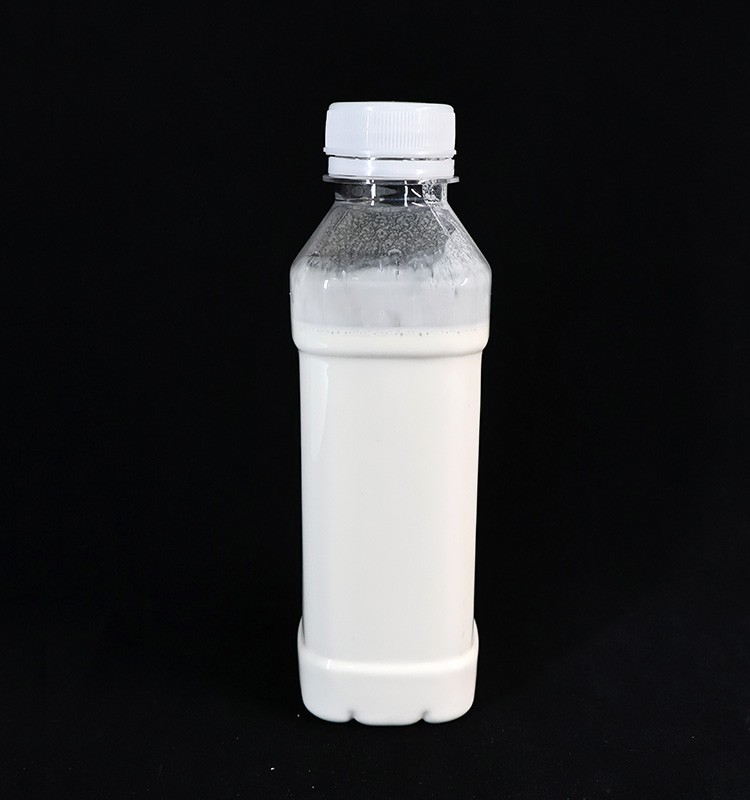
A vanadium inhibitor is a functional chemical agent designed to inhibit, regulate, or stabilize the activity of vanadium within smelting and chemical systems. Its core function is to prevent excessive deposition, oxidation, or diffusion of vanadium during smelting or reactions, thereby mitigating adverse effects on material properties and production processes. Typically composed of multiple inorganic salts, organic ligands, or multifunctional components, vanadium inhibitors form stable complexes or compounds with vanadium, maintaining it in a controlled, stable state within the system. Beyond steel production, their application is expanding into vanadium alloy manufacturing, petroleum refining, catalyst protection, and environmental treatment.
Vanadium is a common alloying element, but excessively high vanadium content in certain steel production processes and alloy applications can cause adverse effects, such as reduced toughness, corrosion resistance, and high-temperature stability. The core principle of vanadium inhibitors involves introducing specific substances during smelting or use that react with vanadium to form stable compounds or easily removable forms, thereby minimizing vanadium's detrimental effects on the base material.
- Forming a protective layer: vanadium inhibitors create a dense protective film on metal surfaces, blocking the ingress of external oxygen, moisture, or harmful ions.
- Mitigating Stress Corrosion: By lowering vanadium content, they reduce the tendency for metal grain boundaries to become brittle, thereby enhancing the material's resistance to stress corrosion.
- Improving High-Temperature Performance: Under high-temperature conditions, vanadium inhibitors reduce scale formation, maintaining the structural strength and stability of equipment.
They reduce equipment damage and maintenance frequency caused by corrosion, lowering material replacement costs and delivering significant economic value.
(1) Significantly Enhanced Corrosion Resistance: Substantially delays corrosion rates in acidic, alkaline, high-temperature, and high-humidity environments.
(2) Improved Material Properties: Effectively mitigates vanadium's detrimental effects on metal crystal structures, enhancing mechanical properties and toughness.
(3) Environmental Friendliness and Controllability: Utilizing nano-composite technology, new vanadium inhibitors require low dosages for significant effects without introducing substantial impurities.
(4) Broad Application Scope: Suitable for multiple industries including petrochemicals, power generation, metallurgy, shipbuilding, and marine engineering, combining versatility with specialized functionality.
(5) Extended Equipment Lifespan and Cost Reduction: By minimizing corrosion-related losses, it substantially lowers equipment maintenance expenses and downtime risks, enhancing overall economic efficiency.
In steel smelting, vanadium inhibitors are primarily used in the production of high-alloy and specialty steels, especially where precise vanadium content control is required. Vanadium typically enhances steel hardness, strength, corrosion resistance, and wear resistance. However, excessive vanadium compromises weldability and machinability.
- High-Strength Steel Production: Vanadium is added to enhance hardness and strength in high-strength steels. However, excessive vanadium can increase brittleness, necessitating vanadium inhibitors to maintain optimal vanadium levels.
- Specialty and tool steels: In certain specialized applications, vanadium provides excellent thermal stability and wear resistance. vanadium inhibitors ensure precise control over vanadium addition to meet the performance requirements of specialty steels.
Vanadium alloys find extensive applications in aerospace, military, metallurgical, and chemical industries, particularly vanadium-titanium and vanadium-chromium alloys. During alloy production, excessive vanadium content compromises uniformity and performance, making vanadium inhibitors indispensable.
- Vanadium-Titanium Alloys: Production requires precise control of vanadium ratios. vanadium inhibitors prevent uneven distribution of vanadium within the alloy.
- Vanadium-Chromium Alloys: During the smelting of vanadium-chromium alloys, excessive vanadium can impair the alloy's toughness and strength. Adding vanadium inhibitors effectively adjusts vanadium content, enhancing alloy performance.
High-temperature alloys are typically used to manufacture mechanical components operating under high temperatures and pressures, such as in aircraft engines and gas turbines. During the smelting of these high-performance alloys, excessive vanadium deposition may compromise strength and durability. vanadium inhibitors enable precise control to ensure stable vanadium content and prevent degradation of alloy properties.
Vanadium inhibitors in petroleum and chemical industries primarily protect metal catalysts during oil refining and chemical reactions. While vanadium enhances catalyst efficiency in petroleum processing—particularly catalytic cracking—excessive amounts cause catalyst failure. Vanadium inhibitors maintain reaction efficiency by reducing vanadium contamination of catalysts.
As a heavy metal element, excessive vanadium emissions may pollute the environment. In specialized industrial fields such as wastewater treatment and emission control, vanadium inhibitors effectively manage vanadium overflow, reducing contamination of water bodies and soil.
With increasing global emphasis on environmental protection and product quality, market demand for vanadium inhibitors is steadily growing. Particularly in steel smelting, specialty alloy production, and petrochemical sectors, vanadium inhibitors hold broad application prospects. Key development trends include:
(1) Product Refinement and Heightened Environmental Standards: As environmental regulations tighten, vanadium inhibitor R&D is shifting toward more eco-friendly, non-toxic, and low-pollution formulations. Future vanadium suppressor products will prioritize biodegradability and safety to minimize environmental pollution during use.
(2) Growing Demand for High-Efficiency Vanadium Suppressors: Market demand for more efficient and precise vanadium suppressors continues to rise. New product development will focus on enhancing reaction rates and selectivity with vanadium, enabling maximum efficacy in shorter processing times to boost production efficiency.
(3) Vanadium Recovery and Resource Utilization: As vanadium resources become increasingly scarce, improving recovery rates has emerged as a key industry development direction. Future vanadium inhibitors will not only inhibit vanadium diffusion during smelting but may also participate in vanadium recovery processes to maximize resource utilization.
(4) Precision Production Process Control: With continuous advancements in steel smelting technology, automation and precision in smelting processes will steadily increase. The use of vanadium inhibitors will also gradually transition toward digital and intelligent control. This not only enhances production efficiency but also ensures precise control over vanadium content.
As a key functional material in modern metallurgy, alloy manufacturing, and petrochemical industries, vanadium inhibitors play an irreplaceable role in improving product quality, optimizing production processes, and reducing environmental risks. Through scientific and rational application of vanadium inhibitors, enterprises can effectively mitigate the negative impacts of vanadium while achieving cost reduction, efficiency gains, and sustainable development. Driven by technological advancements and evolving market demands, vanadium inhibitors are continuously evolving toward greater efficiency, environmental sustainability, and intelligent operation. Their industry value and application prospects warrant ongoing attention.

 E-mail:jcl@jichanglong.com
 WhatsApp:+8618560709619
 Address:Block B, Polymer Materials Industry Innovation Park,No. 51, Lutai Avenue, High-tech Zone, Zibo City, Shandong Province
China vanadium inhibitors manufacturer Shandong Jichanglong Environmental Engineering Co., Ltd.
Jichanglong specializes in vanadium inhibitor , dehumidification and drying block, calcium hypochlorite disinfectant tablets, polyacrylamide and other products. With over 20 years of experience, we offer quality assurance and wholesale prices.